High-energy foods aren’t all caffeine and sugar rushes that leave you crashing hard. Some food hits fast, some holds steady for hours, and the smart move is building a day around both.
This guide sorts foods by how they fuel you, with the numbers behind each one so you know exactly what’s going on your plate.
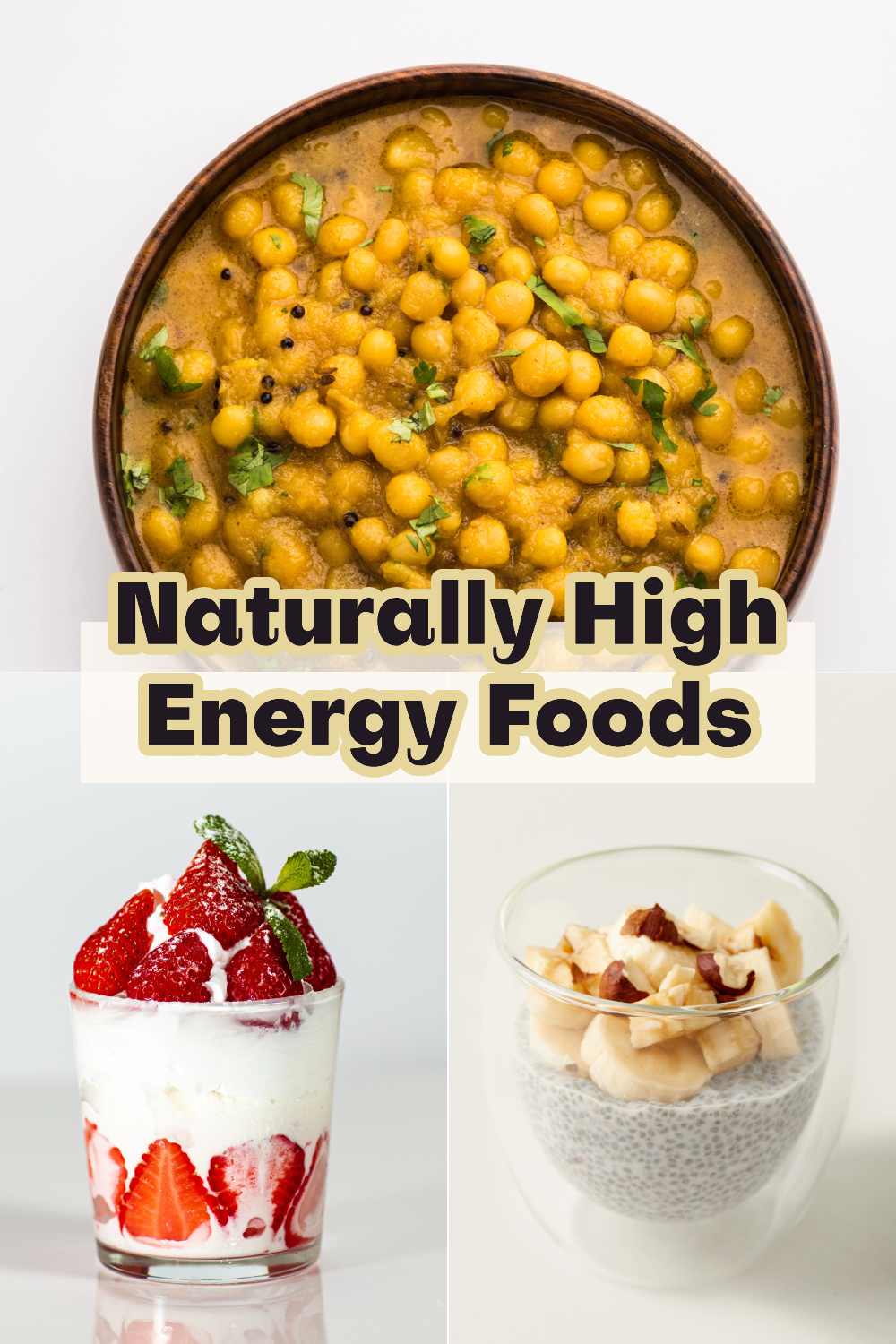
How Food Turns Into Energy
Carbs are your body’s quickest fuel. When they come packaged with fiber, protein or fat, they digest more slowly, so the energy arrives gradually instead of all at once. That idea is behind most of the picks below.
A few nutrients matter too. Your body uses magnesium and B vitamins to turn food into energy, and iron to carry oxygen to your muscles. Running low on iron is a common reason people feel tired no matter what they eat.
Quick Energy Foods
These high-energy foods fast. Use them for a pre-workout snack or a mid-afternoon lift, and pair them with something from the steady sections if you need the energy to last.
Bananas
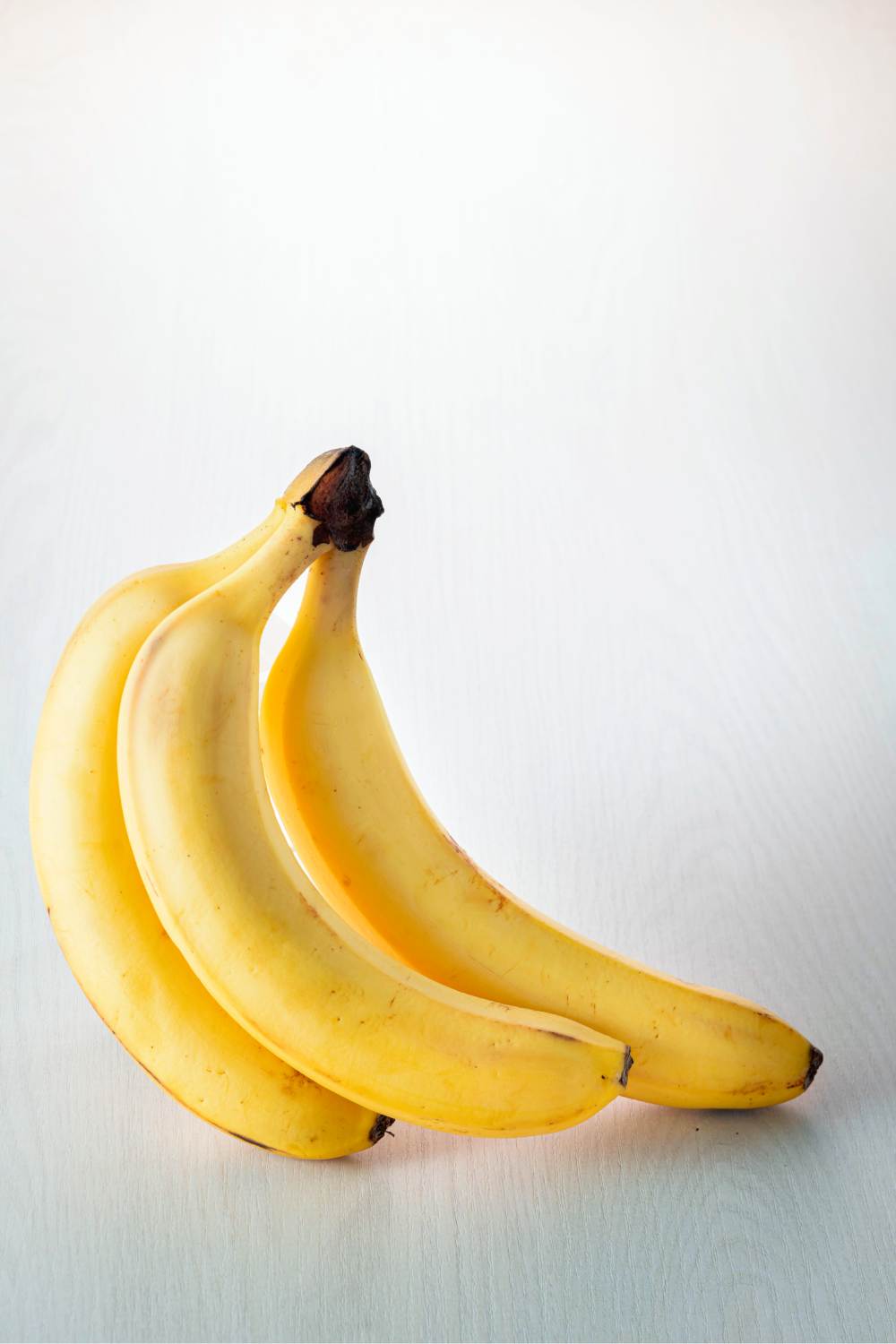
A banana gives you quick, easy-to-digest carbs, 23 grams per 100 grams, plus a little fiber to take the edge off.
That’s why marathoners grab them mid-race and why they work just as well when your brain feels like quicksand.
The potassium is a bonus, since your muscles and nerves rely on it to work properly. Pair a banana with peanut butter if you want the energy to stick around longer.
NUTRITIONAL CONTENT (PER 100g)
| Cal | P | C | F |
| 89kcal | 1.1g | 23g | 0.3g |
| Calories | Protein | Carbs | Fat |
Coffee
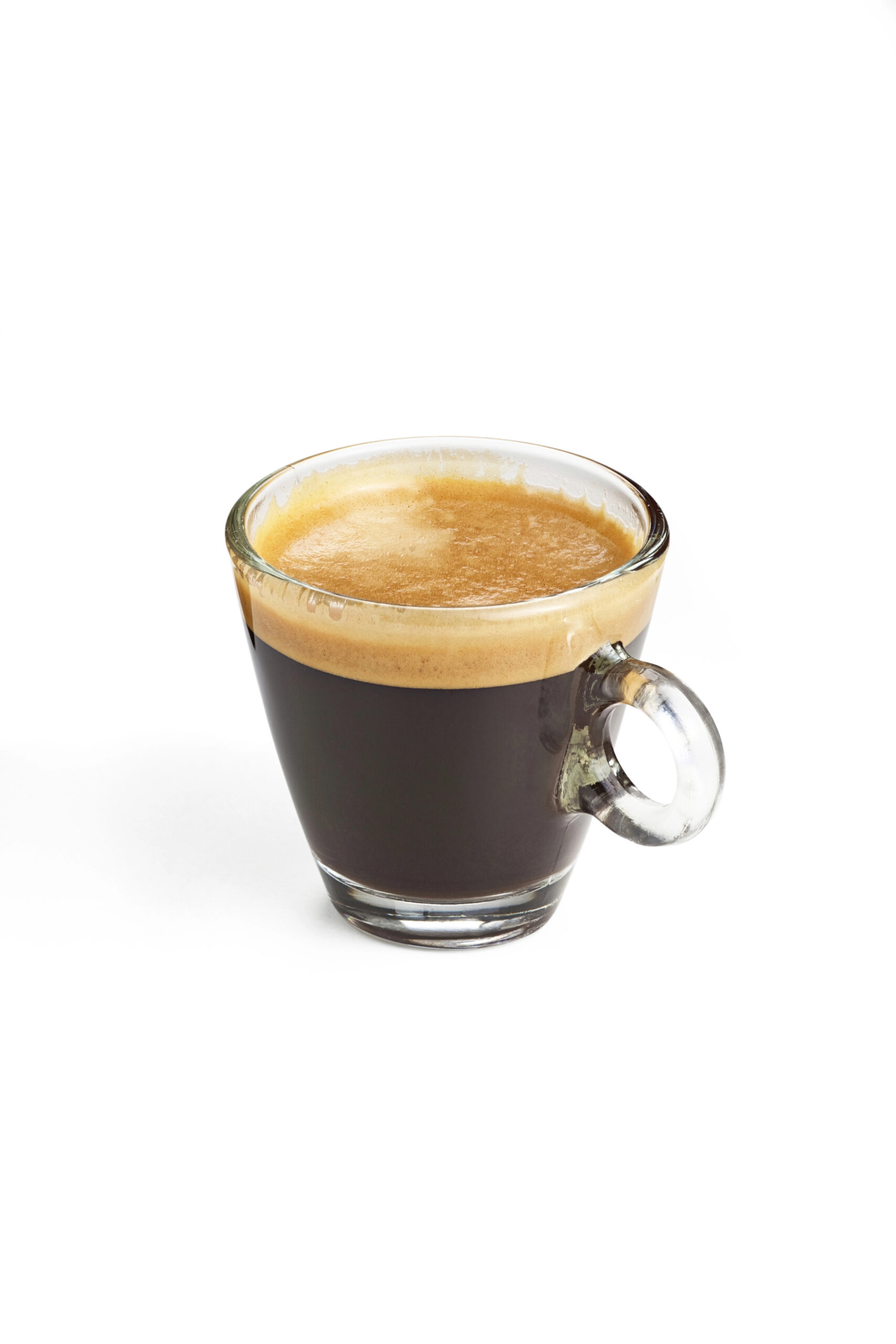
Coffee works fast because caffeine blocks the brain signals that make you feel tired, so alertness kicks in soon after you finish the cup. It also nudges up adrenaline, which is why a good cup can turn a sluggish morning around.
The FDA considers up to 400 milligrams of caffeine a day fine for most healthy adults, but plenty of people feel jittery well before that. If a second cup leaves you buzzy, that’s your limit.
Coffee itself is close to zero calories, so it gives you alertness, not fuel. Have it with a real breakfast.
NUTRITIONAL CONTENT (PER 100ml)
| Cal | P | C | F |
| 2kcal | 0.3g | 0g | 0g |
| Calories | Protein | Carbs | Fat |
Dark Chocolate
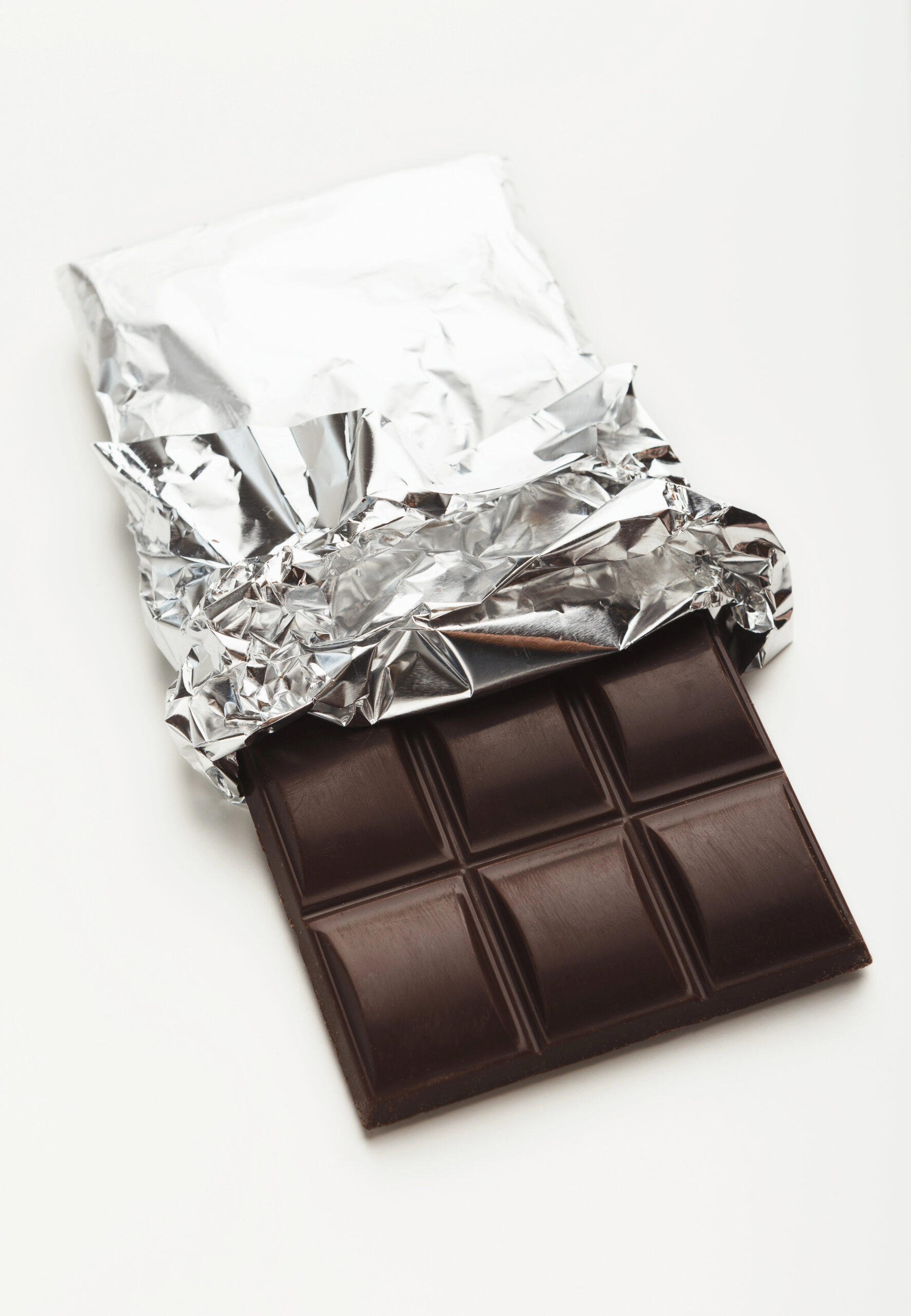
A square of dark chocolate gives you a little caffeine and theobromine, two stimulants that nudge your focus up more gently than a double espresso.
The fat and fiber slow down how fast the sugar reaches your bloodstream, so that lift sticks around longer than candy would.
Go for 70 percent cacao or higher. Milkier bars lean more on sugar and give you less of the cocoa you’re after.
NUTRITIONAL CONTENT (PER 100g)
| Cal | P | C | F |
| 598kcal | 7.8g | 46g | 43g |
| Calories | Protein | Carbs | Fat |
Slow-Burning Carbs That Last
These are carbs that come with fiber attached, so they release energy gradually. Build a meal around one of them, and you won’t be hunting for a snack soon after.
Oats
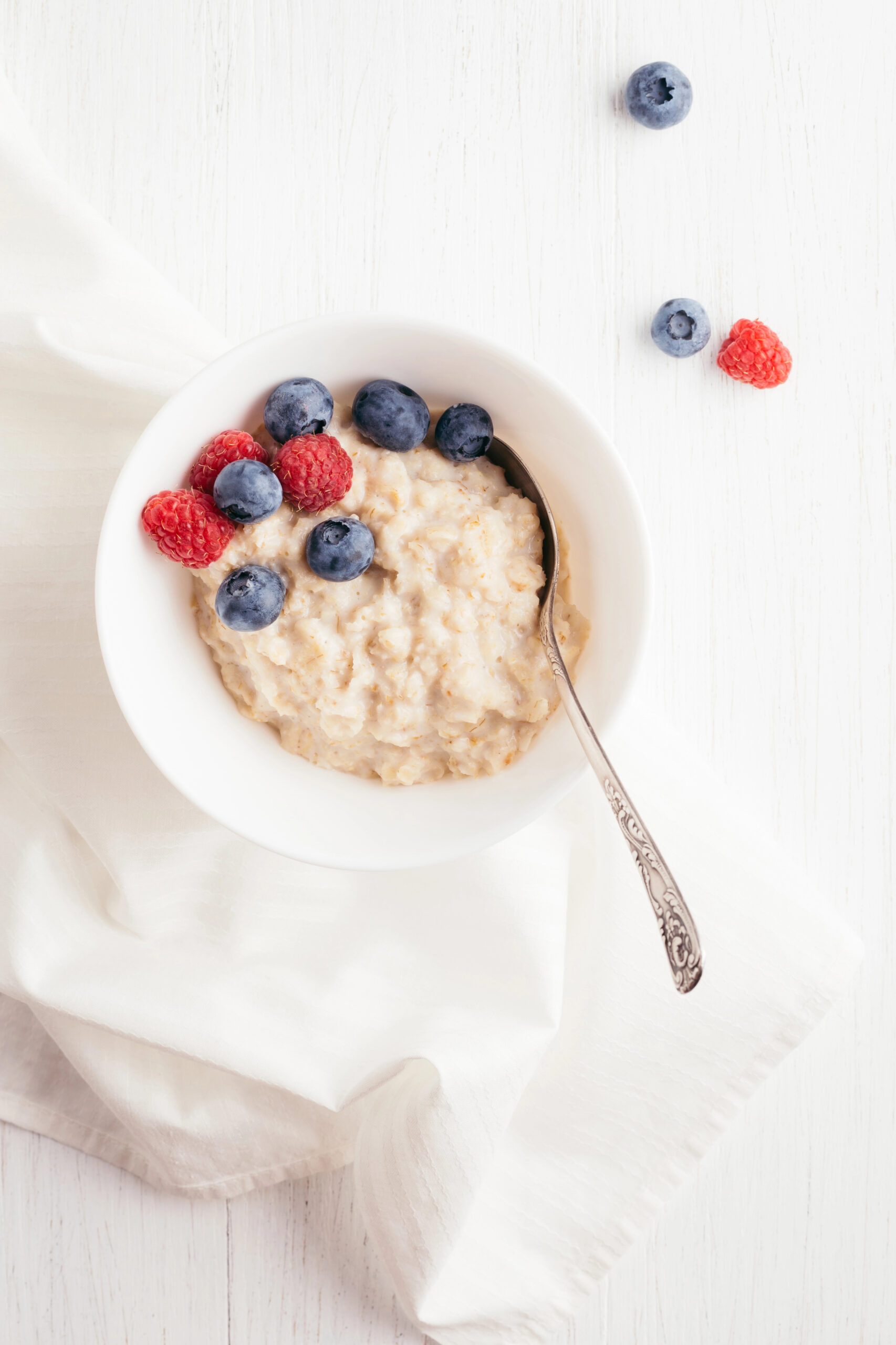
Oats owe their staying power to beta-glucan, a soluble fiber that thickens up in your gut and slows digestion down. That’s what keeps energy coming in gradually instead of all at once.
Stir in milk or yogurt, and you’ve built a breakfast that lasts the whole morning without your stomach growling through your first meeting.
NUTRITIONAL CONTENT (PER 100g)
| Cal | P | C | F |
| 389kcal | 16.9g | 66g | 6.9g |
| Calories | Protein | Carbs | Fat |
Sweet Potatoes
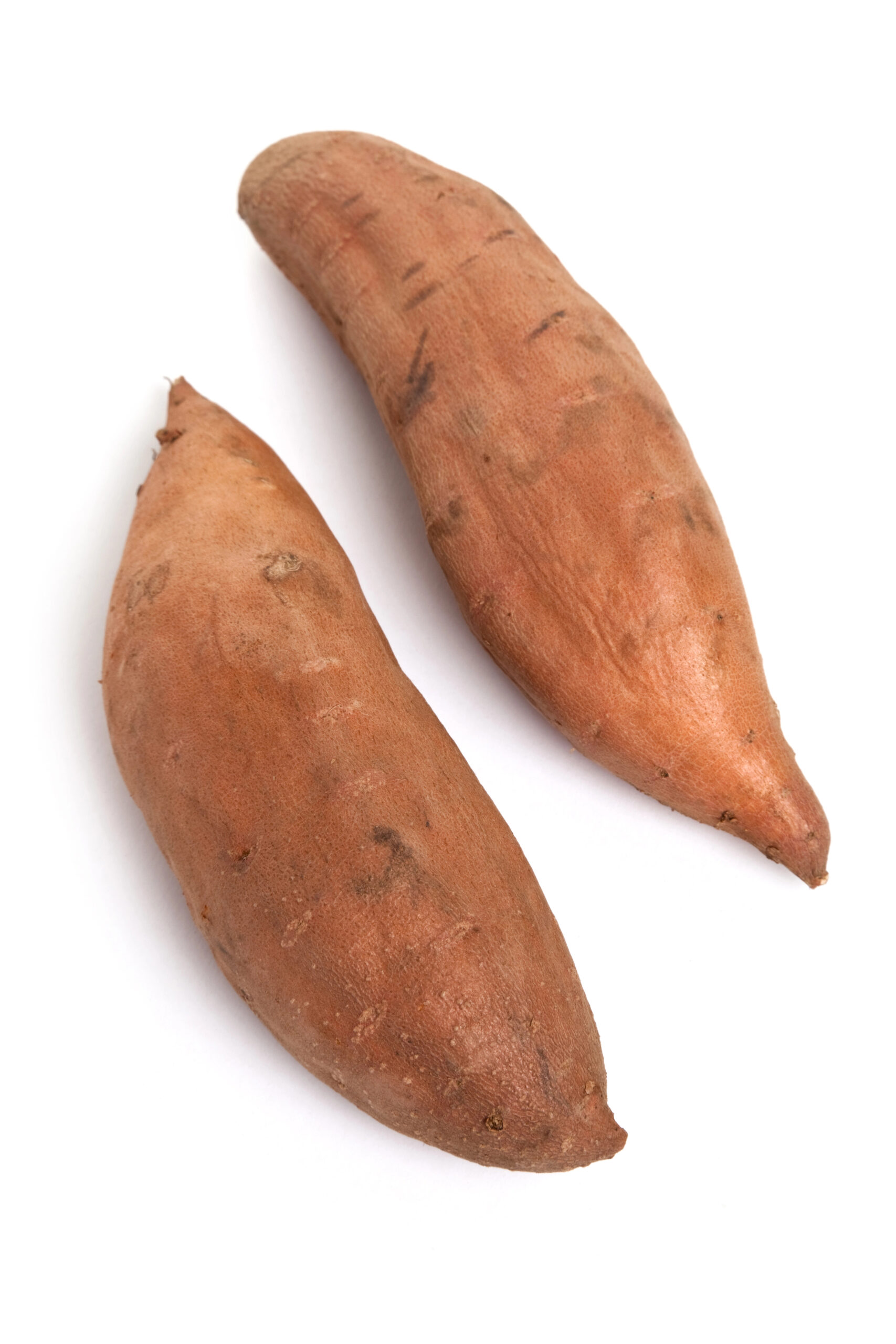
Sweet potatoes give you 20 grams of carbs per 100 grams, with fiber and a skin full of nutrients attached, which makes them a filling carb at dinner.
They also pack potassium, which your muscles and nerves rely on, plus plenty of vitamin A. Pair them with protein, like salmon or chicken, and the energy lasts longer.
I roast a tray at the start of the week and eat them cold out of the fridge, which sounds sad but works.
NUTRITIONAL CONTENT (PER 100g)
| Cal | P | C | F |
| 86kcal | 1.6g | 20g | 0.1g |
| Calories | Protein | Carbs | Fat |
Whole Grain Bread
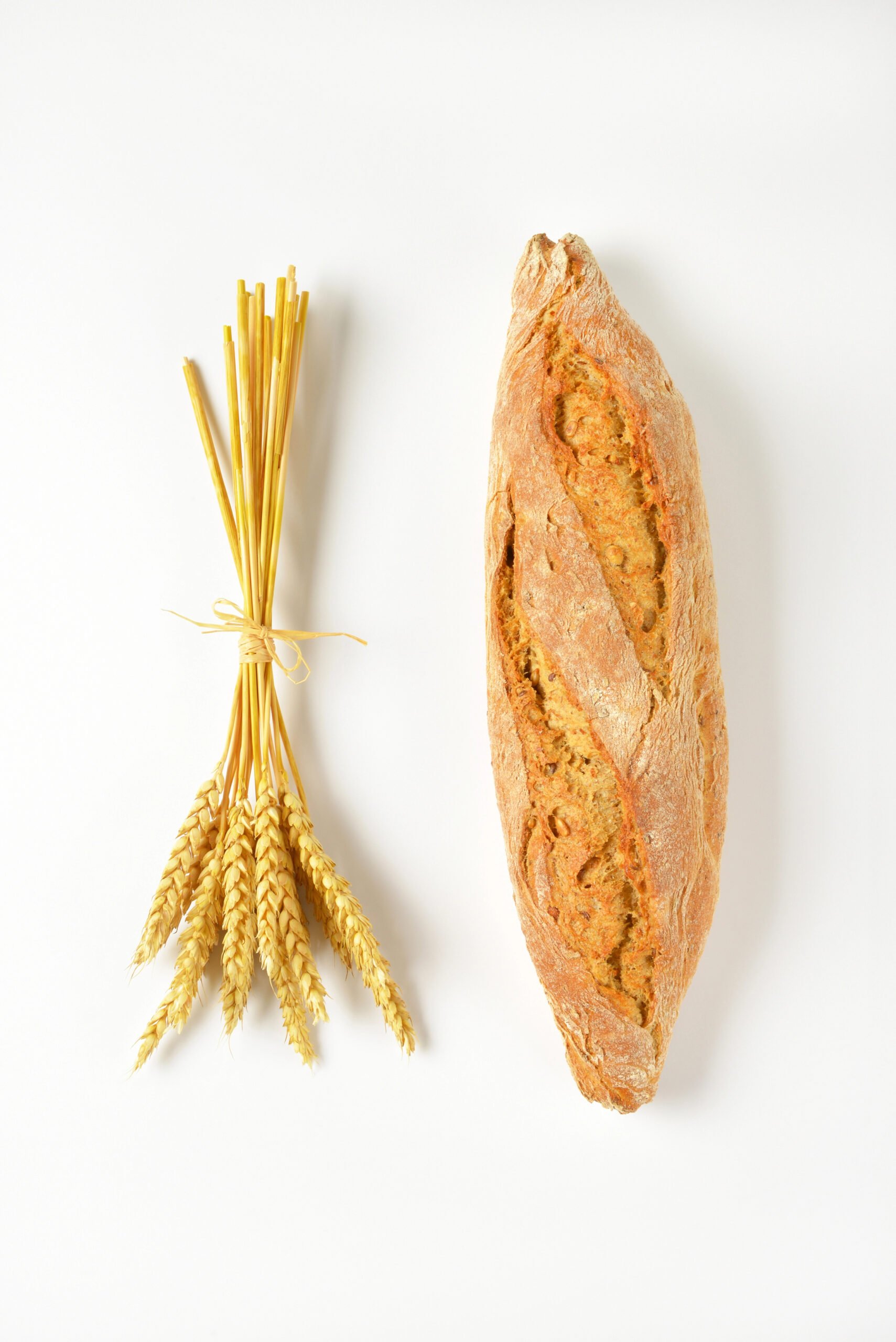
Whole grain bread keeps its bran and germ intact, so it carries more fiber than white bread and digests more slowly.
Two slices also give you B vitamins, which your cells need to turn carbs into usable fuel.
Toast it, top it with peanut butter, and you’ve got a breakfast that won’t quit on you mid-morning.
NUTRITIONAL CONTENT (PER 100g)
| Cal | P | C | F |
| 247kcal | 13g | 41g | 3g |
| Calories | Protein | Carbs | Fat |
Quinoa
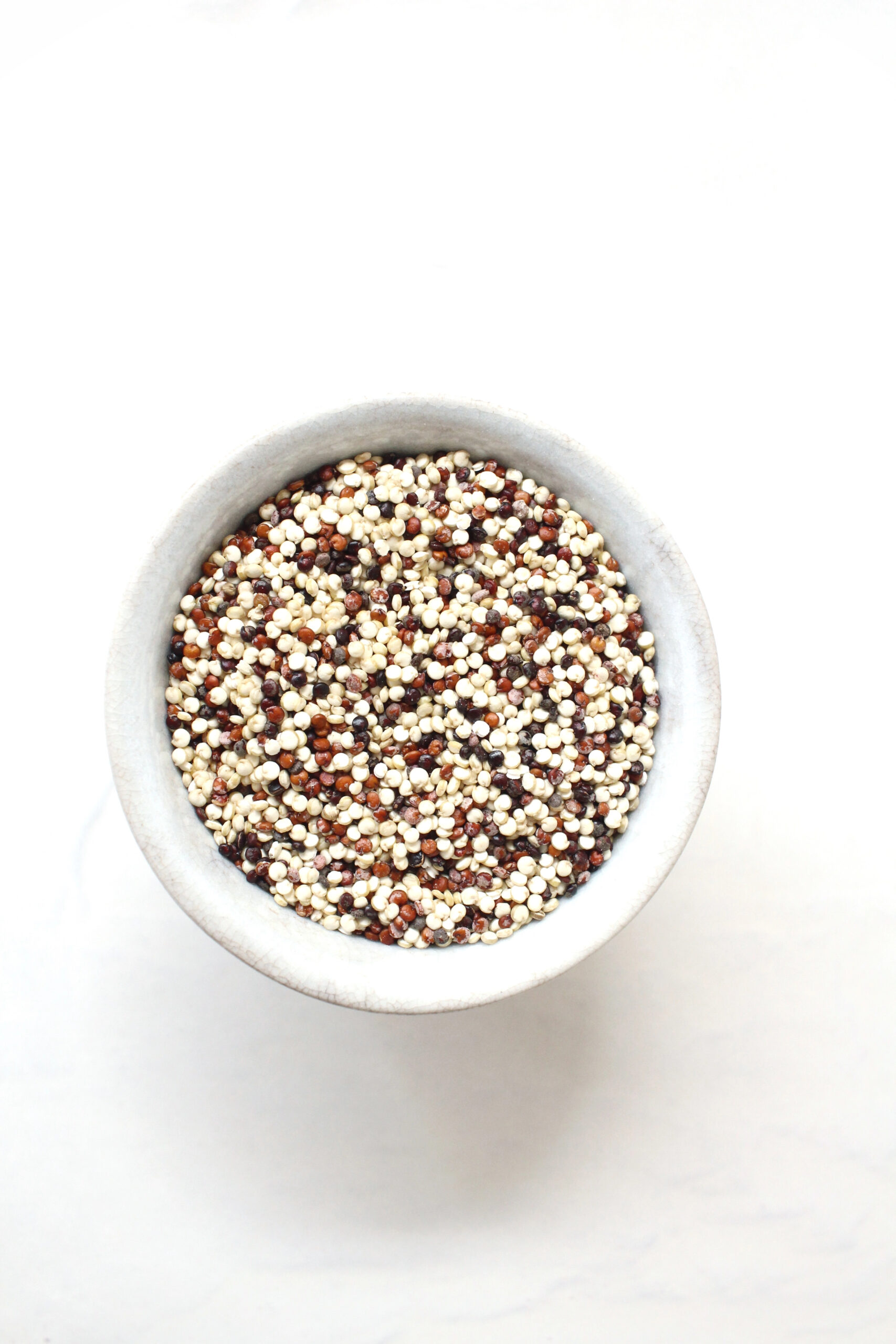
Quinoa contains all nine essential amino acids, which is rare for a plant and makes it a complete protein you can build a meal around.
At 4.4 grams of protein and 21.3 grams of carbs per 100 grams cooked, it pairs its carbs with more protein than white rice does, so the energy comes in more steadily.
It also carries iron and magnesium, two minerals tied to how your body makes and uses energy.
NUTRITIONAL CONTENT (PER 100g)
| Cal | P | C | F |
| 120kcal | 4.4g | 21.3g | 1.9g |
| Calories | Protein | Carbs | Fat |
Chickpeas
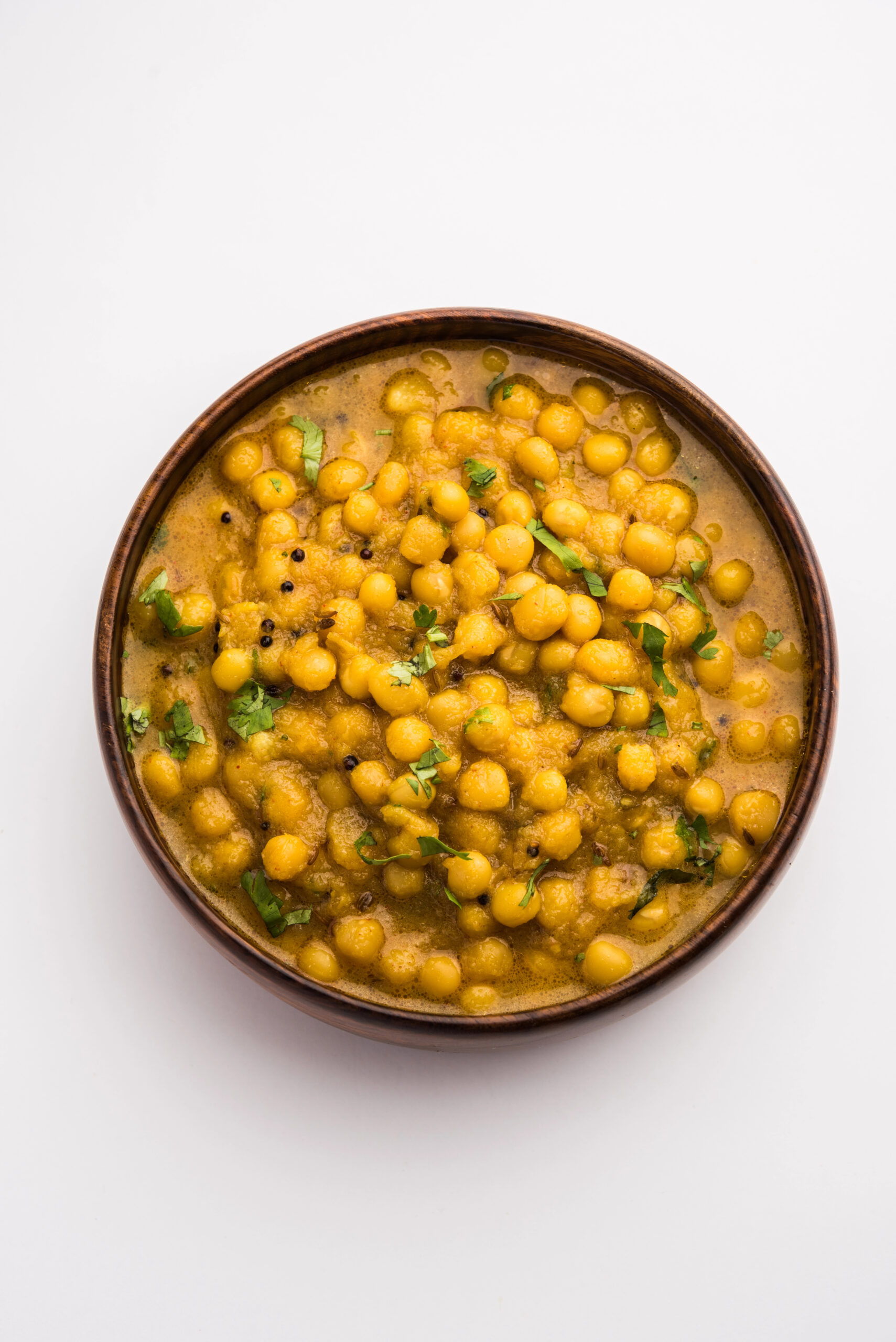
Chickpeas pair carbs and protein in the same bite, with 9 grams of protein and 27 grams of carbs per 100 grams, so they fuel you now and keep going after.
I toss a can into almost anything. Salads, soups, a quick pan fry with cumin. Cheap, filling, and nothing else in my pantry keeps me going quite like it.
NUTRITIONAL CONTENT (PER 100g)
| Cal | P | C | F |
| 164kcal | 9g | 27g | 3g |
| Calories | Protein | Carbs | Fat |
Lentils
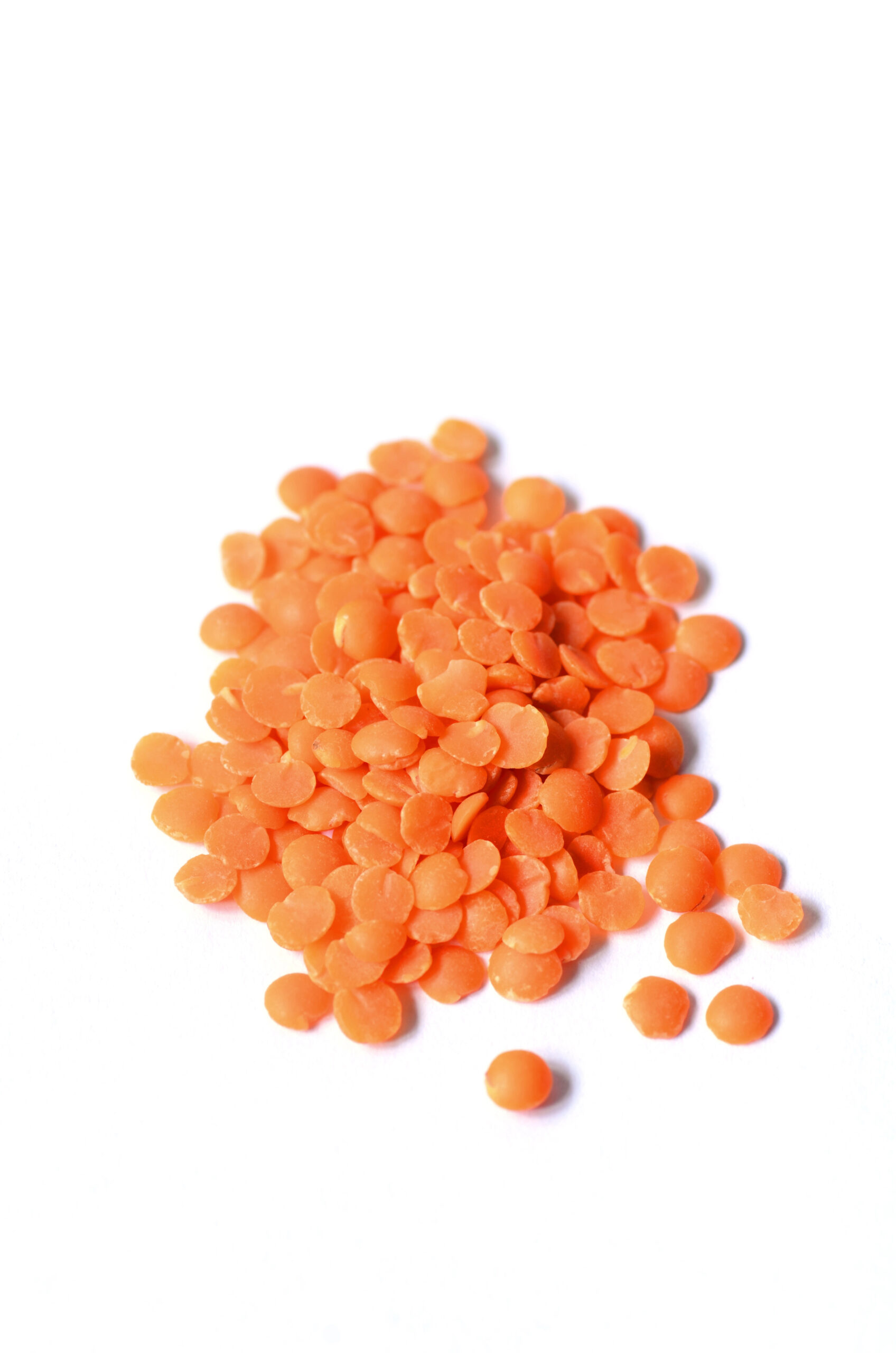
Lentils pack slow carbs and plant protein into one unassuming little legume, with 9 grams of protein per 100 grams cooked, which is why a bowl of them keeps you full for hours.
They’re also an easy source of iron for anyone who doesn’t eat much meat.
Steady fuel that doesn’t ask much of your grocery budget.
NUTRITIONAL CONTENT (PER 100g)
| Cal | P | C | F |
| 116kcal | 9g | 20g | 0.4g |
| Calories | Protein | Carbs | Fat |
Berries
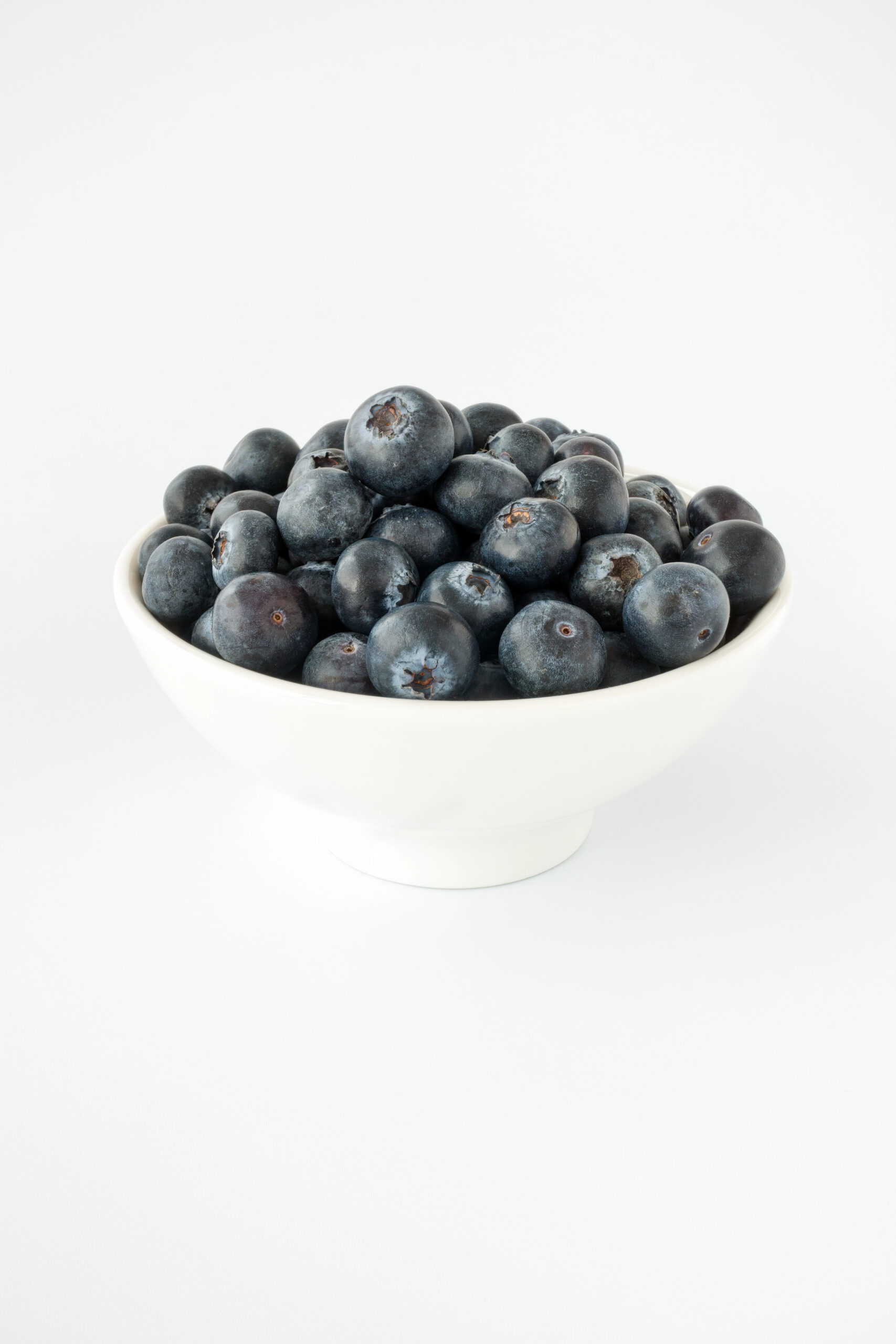
Berries give you natural sugar with fiber attached, so the sweetness comes in more gently than candy or juice. Blueberries, strawberries and blackberries all count.
In a small study of healthy women, eating berries with bread lowered the insulin response compared with eating bread alone.
Toss a handful over oatmeal or yogurt, and you stretch that meal’s energy out instead of letting it burn off fast.
NUTRITIONAL CONTENT (PER 100g)
| Cal | P | C | F |
| 57kcal | 0.7g | 14g | 0.3g |
| Calories | Protein | Carbs | Fat |
Chia
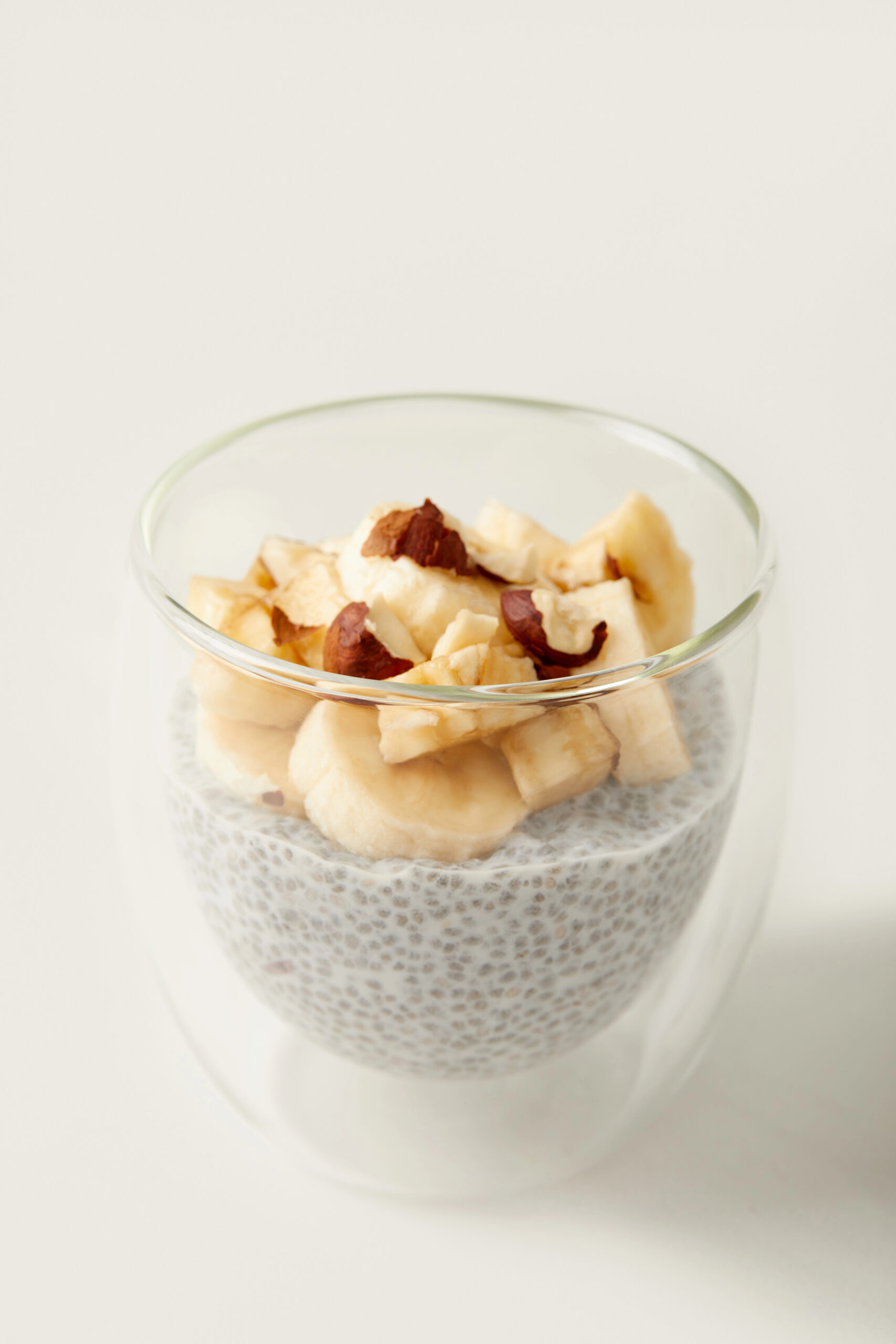
Chia seeds swell up in liquid and form a gel, which slows digestion so the carbs they carry come in gradually.
A spoonful stirred into water or yogurt also gives you fiber and plant omega-3s for almost no effort, which makes it one of the easiest additions on this list.
NUTRITIONAL CONTENT (PER 100g)
| Cal | P | C | F |
| 486kcal | 17g | 42g | 31g |
| Calories | Protein | Carbs | Fat |
Protein And Fat To Stretch A Meal
Protein and fat don’t give you a quick lift on their own, but they slow down everything you eat with them. Add one of these to any carb above, and the energy lasts.
Eggs
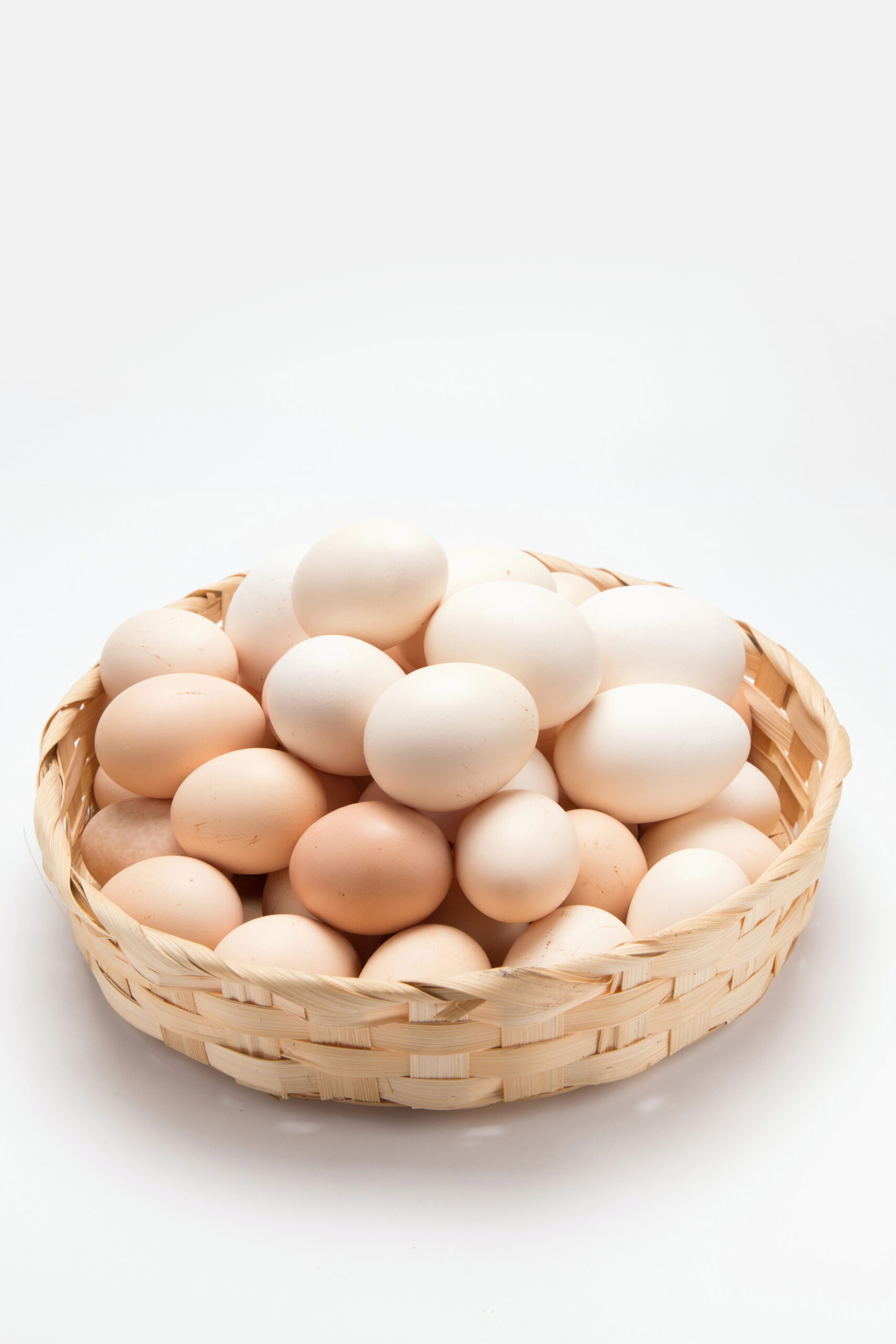
A whole egg gives you protein and fat together, 13 grams and 10 grams per 100 grams, so your body digests it slowly and the energy lasts.
The yolk carries choline, which your body uses to make acetylcholine, a brain chemical involved in memory and muscle control. Eat the whole egg, not just the white.
Two eggs for breakfast keep me steady until lunch.
NUTRITIONAL CONTENT (PER 100g)
| Cal | P | C | F |
| 143kcal | 13g | 1g | 10g |
| Calories | Protein | Carbs | Fat |
Greek Yogurt
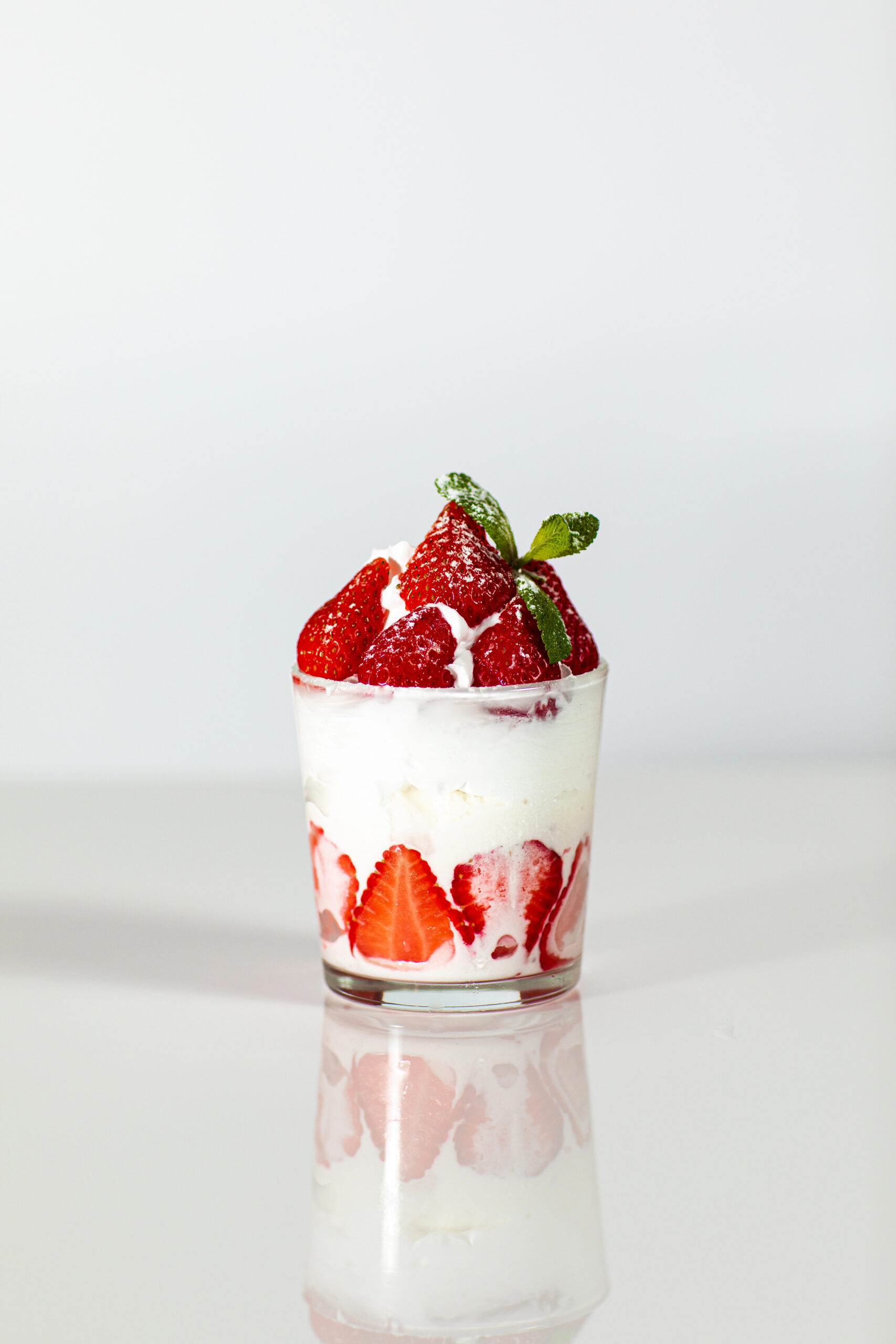
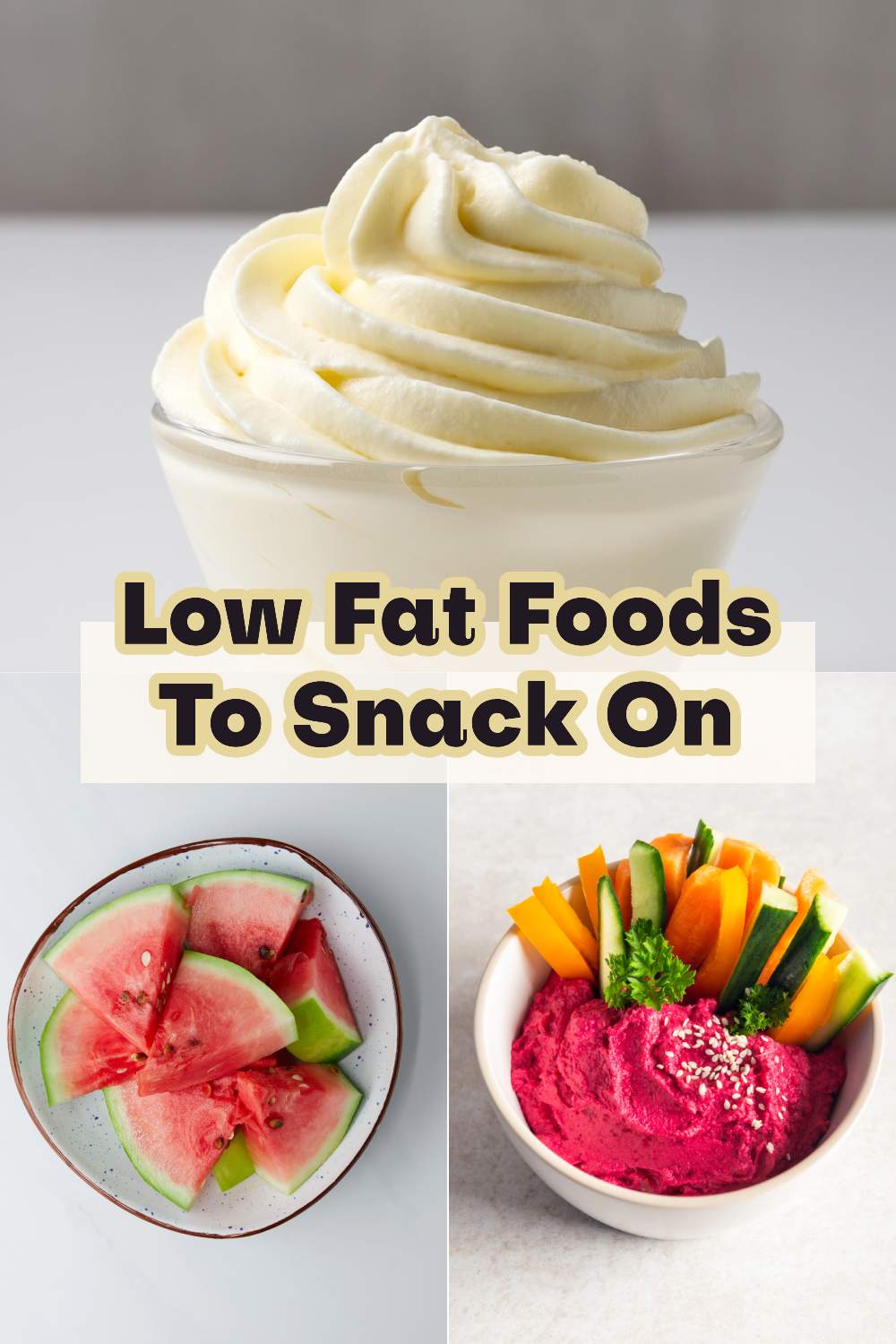
Greek yogurt has nearly double the protein of regular yogurt because straining removes the watery whey. That extra protein, 9 grams per 100 grams, slows digestion so breakfast energy sticks around.
Pair it with berries, and the fruit’s natural sugar comes in alongside the protein instead of on its own.
NUTRITIONAL CONTENT (PER 100g)
| Cal | P | C | F |
| 97kcal | 9g | 4g | 5g |
| Calories | Protein | Carbs | Fat |
Almonds
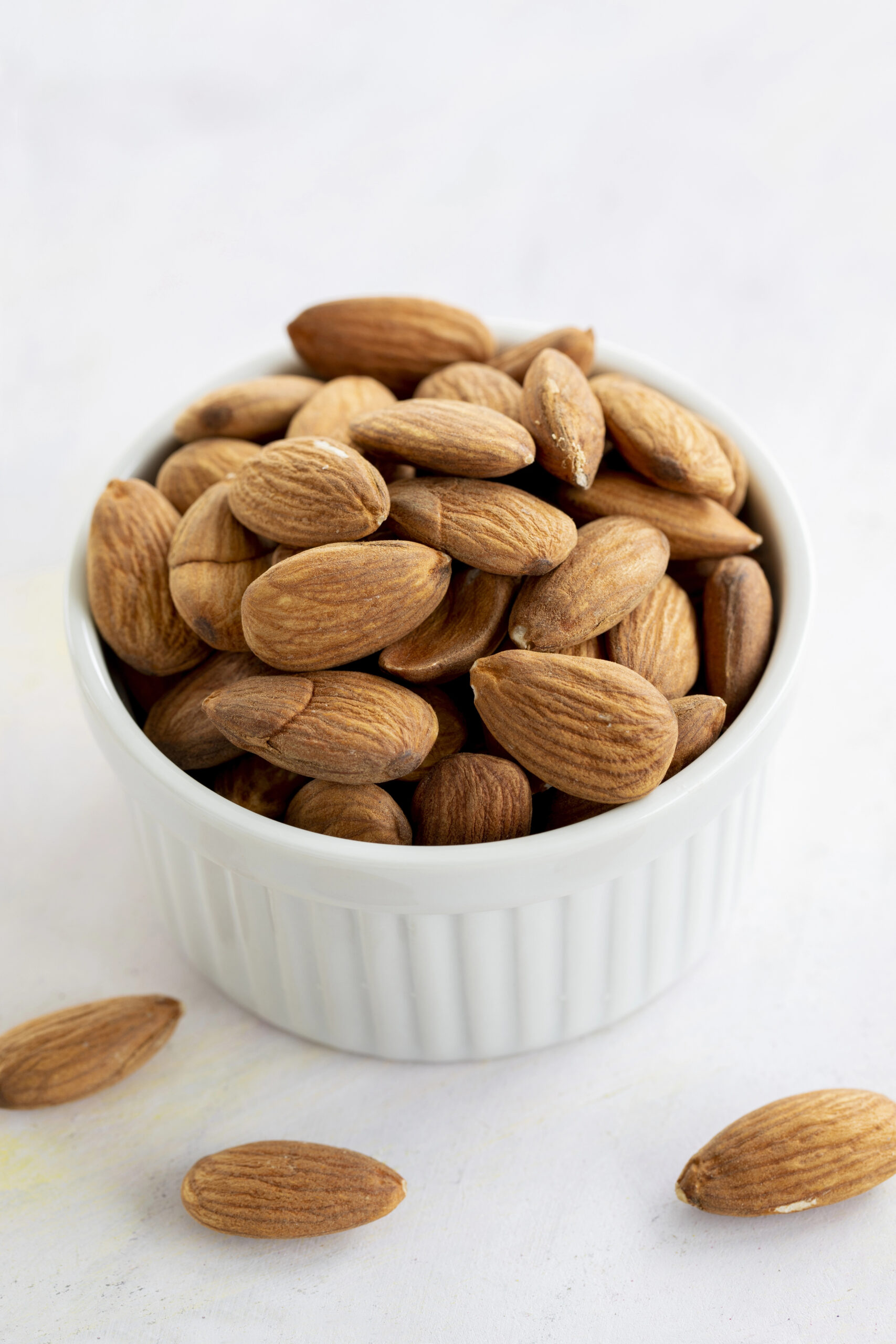
A small handful of almonds gives you fat, fiber and protein together, so the sugar from whatever you ate with them comes in gradually. That’s how you get afternoon energy that doesn’t fall off a cliff before dinner.
Magnesium is the other reason. Your body uses it to turn food into energy, and almonds are one of the easiest ways to get it without a supplement.
NUTRITIONAL CONTENT (PER 100g)
| Cal | P | C | F |
| 579kcal | 21g | 22g | 50g |
| Calories | Protein | Carbs | Fat |
Salmon
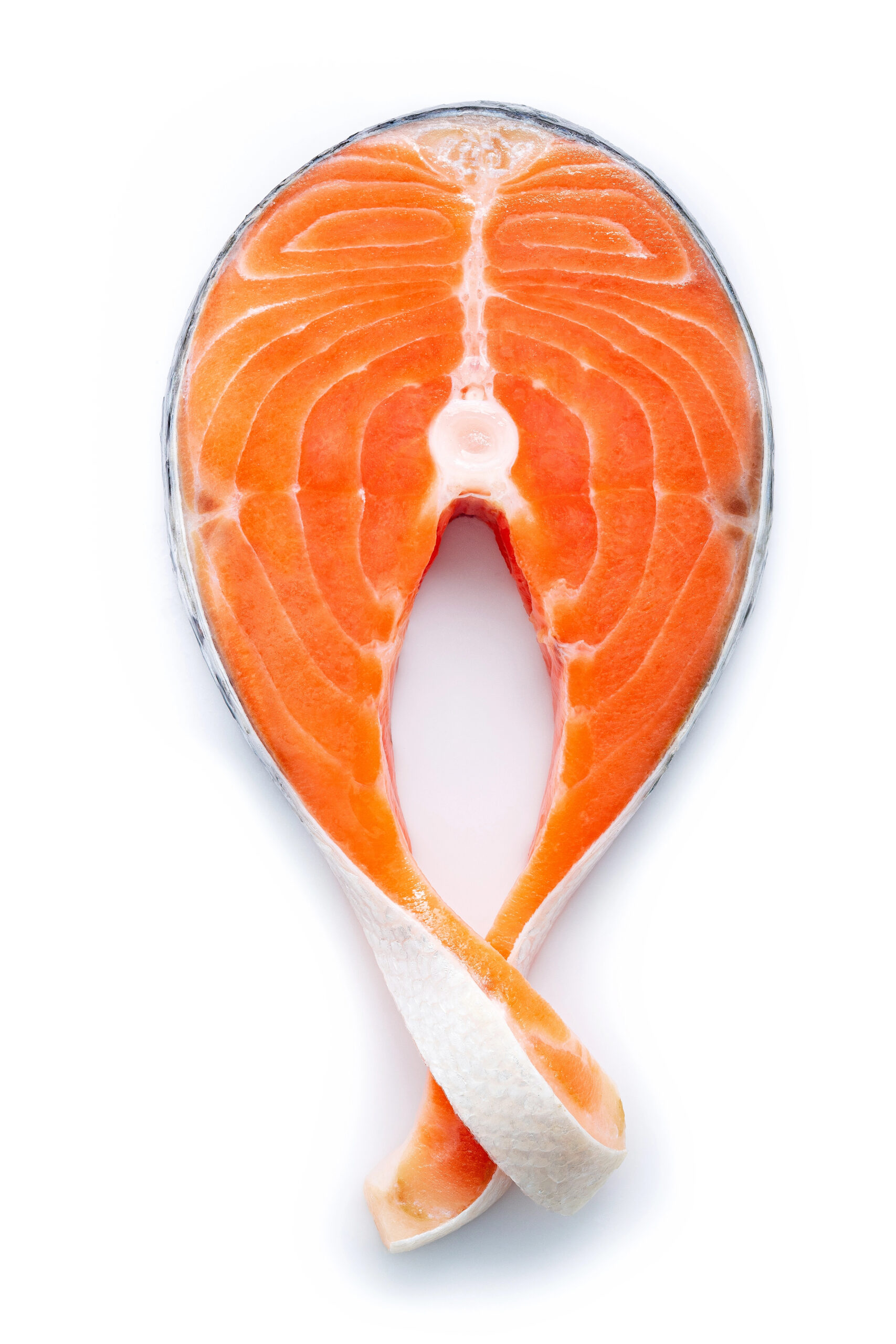
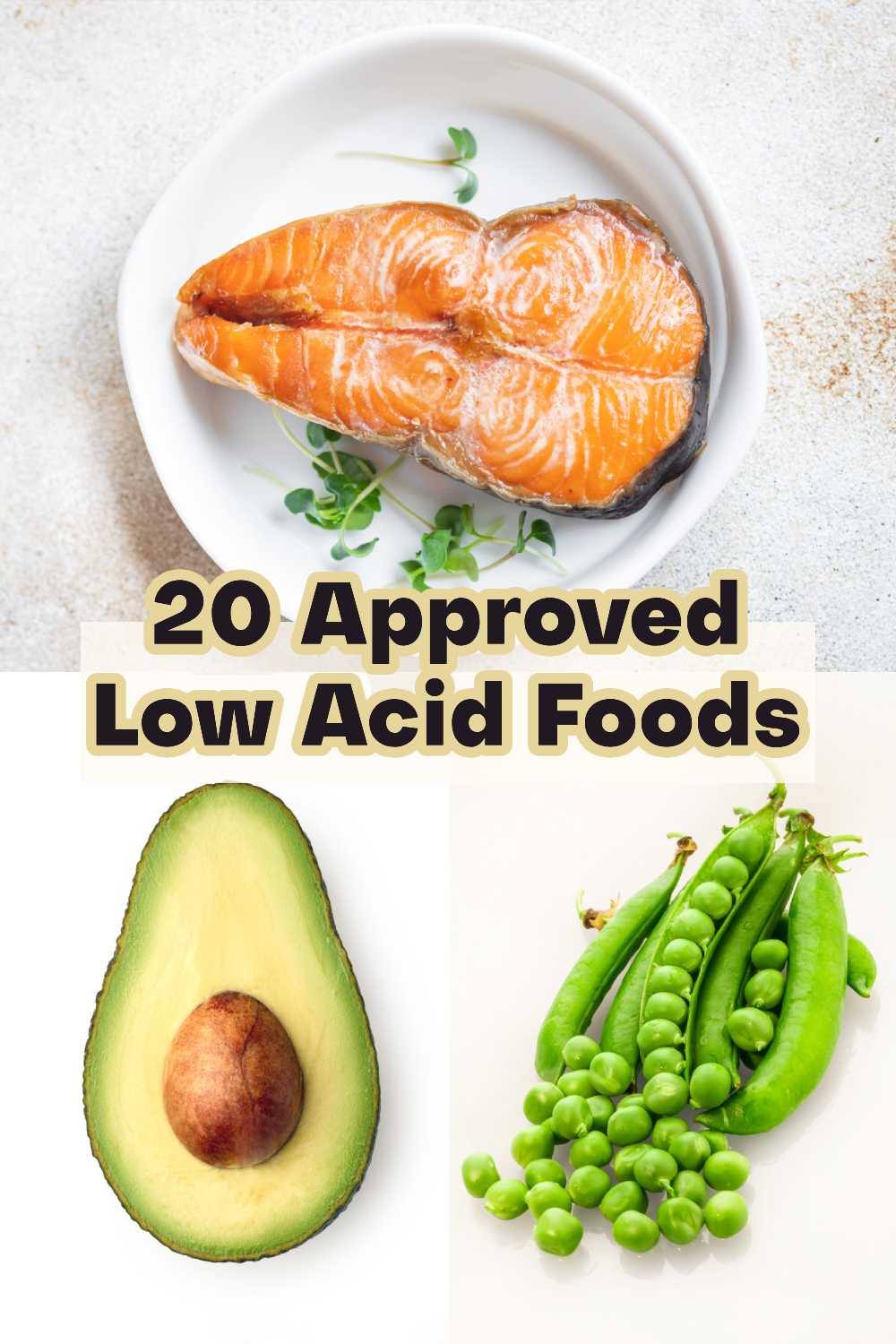
Salmon gives you 20 grams of protein per 100 grams plus B vitamins, which your body needs to turn food into usable energy.
The omega-3 fats are a bonus, and the protein keeps a lunch from wearing off early.
I notice the difference on days I eat it for lunch. No afternoon slump, no hunting for a snack.
NUTRITIONAL CONTENT (PER 100g)
| Cal | P | C | F |
| 208kcal | 20g | 0g | 13g |
| Calories | Protein | Carbs | Fat |
Avocado
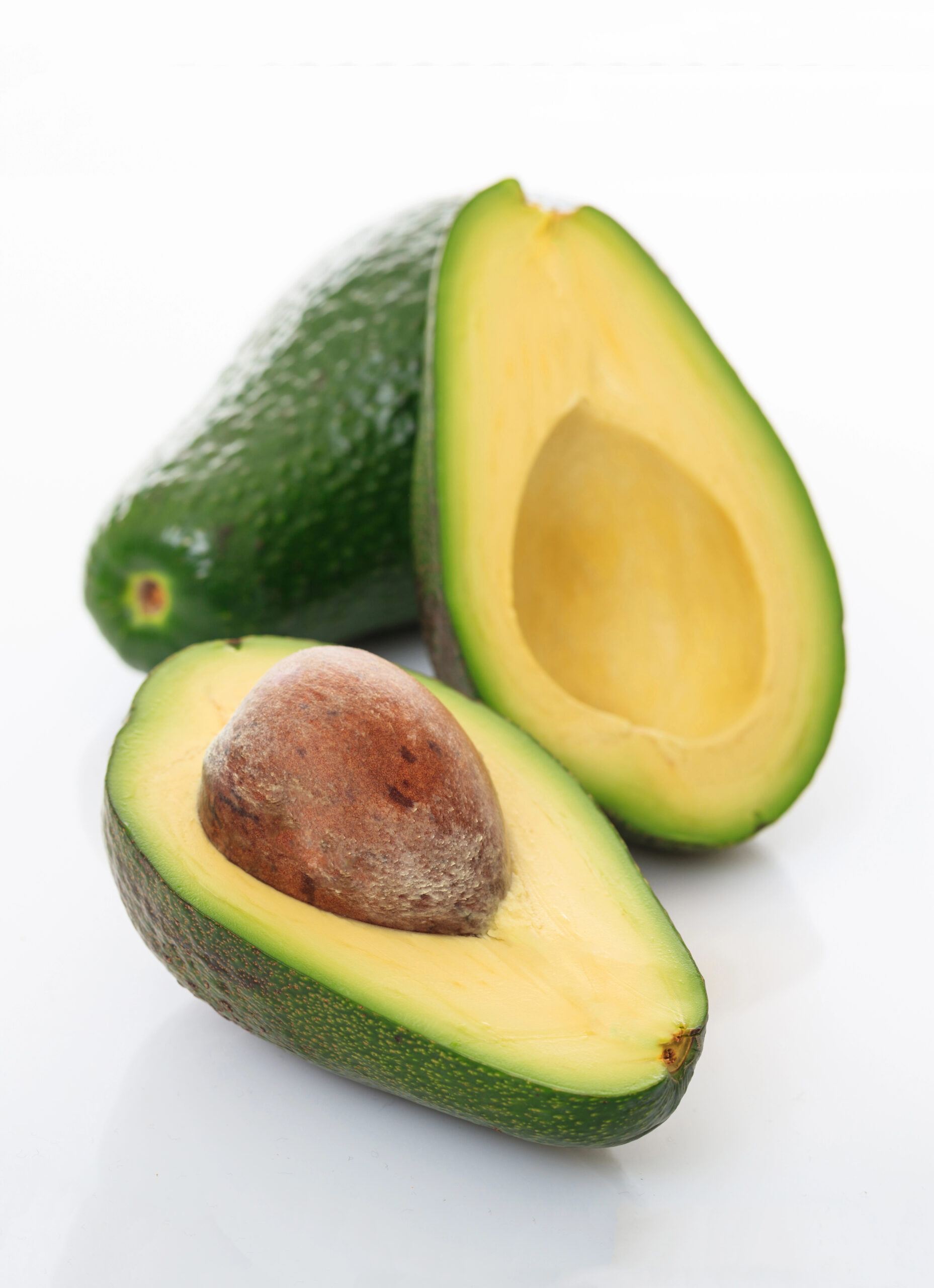
Avocado is mostly fat, the monounsaturated kind, which digests slowly and helps a meal last.
Most of its 9 grams of carbs per 100 grams come from fiber, which slows things down even more.
It’s also rich in potassium, which your muscles rely on, so it makes a smart addition to a post-gym meal.
NUTRITIONAL CONTENT (PER 100g)
| Cal | P | C | F |
| 160kcal | 2g | 9g | 15g |
| Calories | Protein | Carbs | Fat |
Chicken Breast
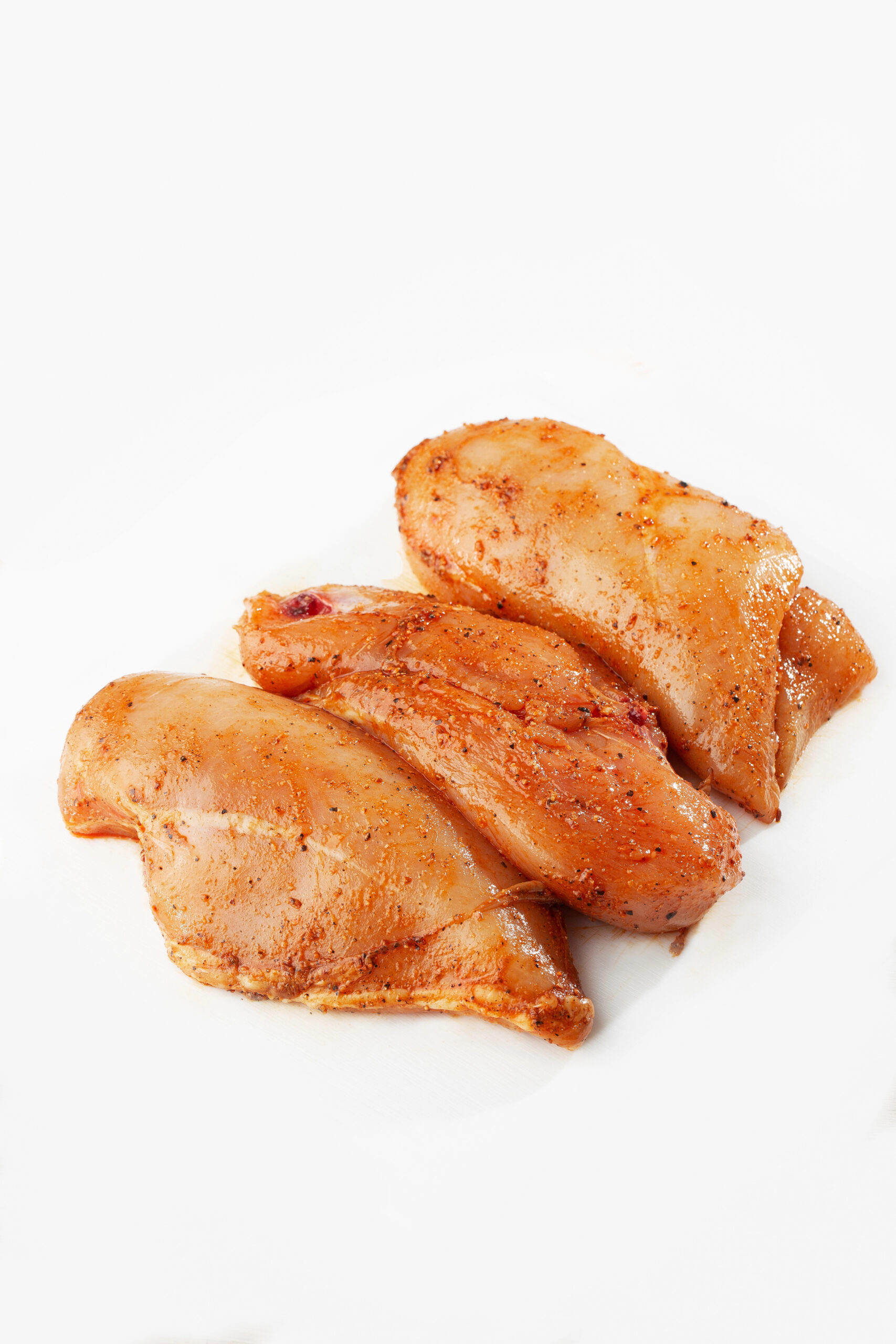
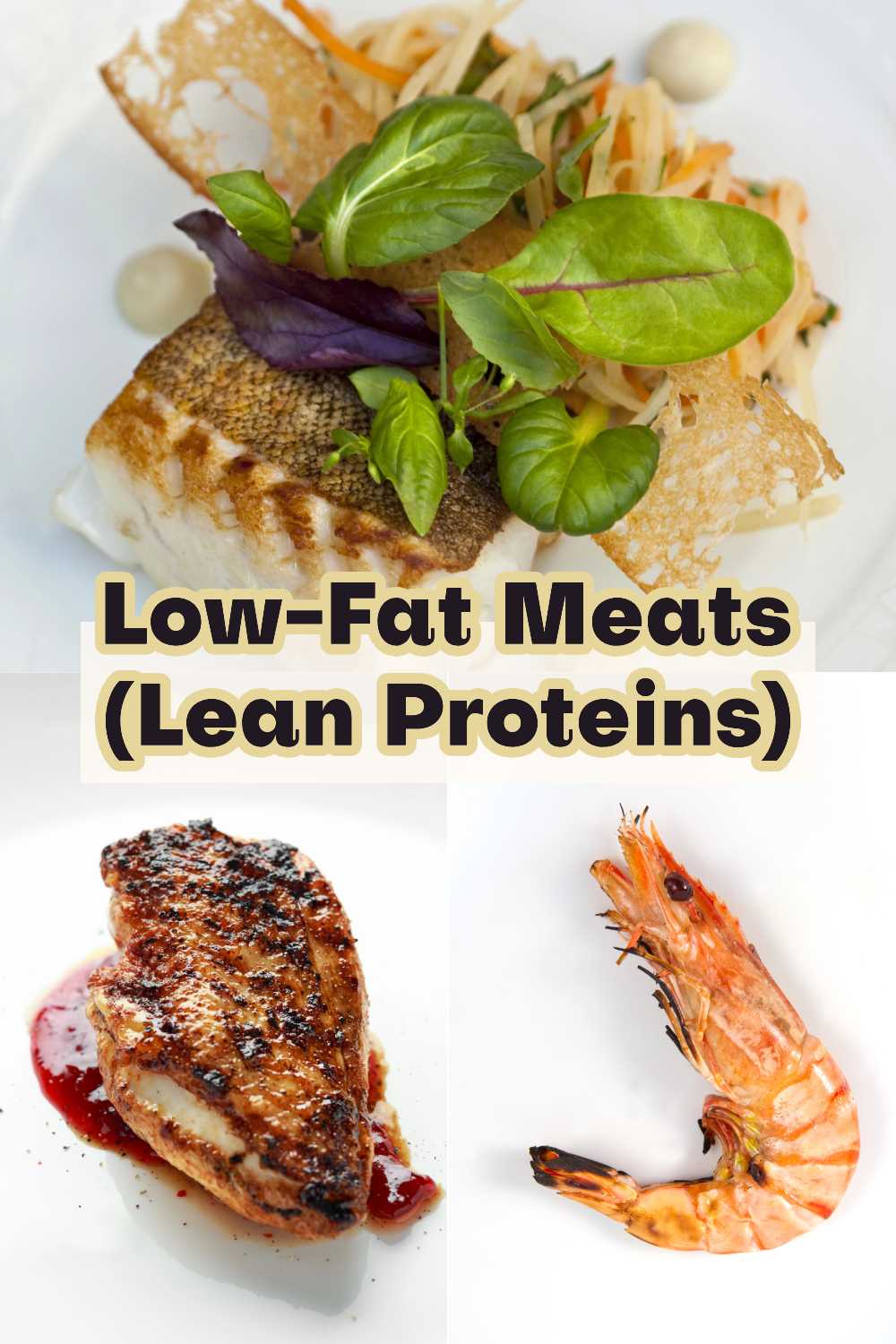
Chicken breast is close to pure protein, with 31 grams per 100 grams and very little fat. That protein slows digestion, so the energy from whatever you eat alongside it lasts longer. It also carries B vitamins like niacin and B6, which your cells use to turn food into fuel.
Grill it, shred it, throw it cold on a salad. However you eat it, you’re not crashing out early.
NUTRITIONAL CONTENT (PER 100g)
| Cal | P | C | F |
| 165kcal | 31g | 0g | 3.6g |
| Calories | Protein | Carbs | Fat |
Peanut Butter
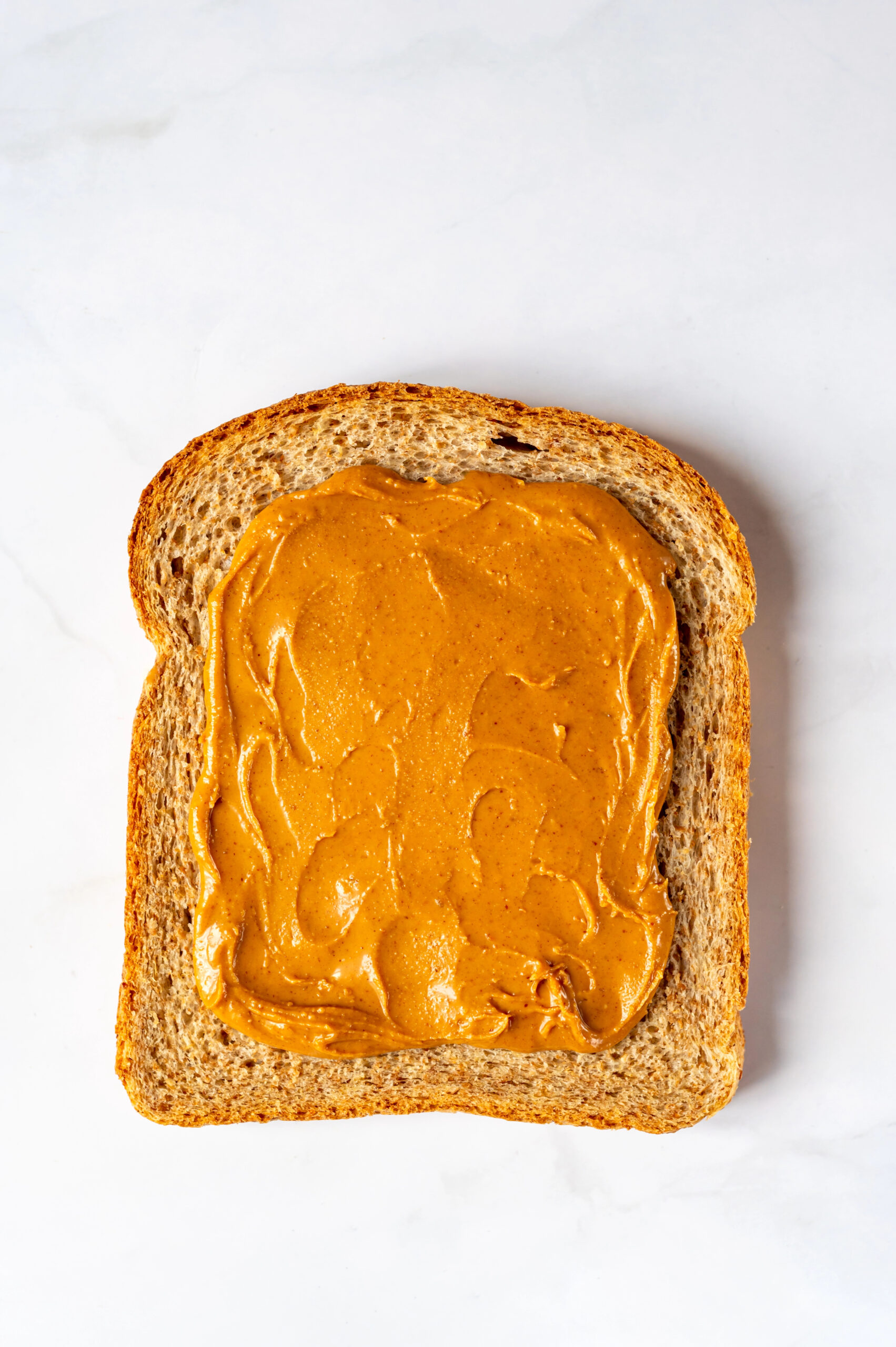
A spoonful of peanut butter gives you fat, protein and a bit of carbohydrate in one bite, with 25 grams of protein per 100 grams, which is why it keeps fueling you long after a piece of fruit would’ve run out. It’s rich at 588 calories per 100 grams, so a couple of spoonfuls is plenty.
I eat it straight off the spoon some afternoons, and I’m not ashamed of it. It beats a vending machine run every time.
NUTRITIONAL CONTENT (PER 100g)
| Cal | P | C | F |
| 588kcal | 25g | 20g | 50g |
| Calories | Protein | Carbs | Fat |
Iron-Rich Greens For The Tiredness Food Can’t Fix
Tiredness isn’t always about your last meal. If you’re low on iron, no amount of oats will fix it, and these two greens help on that front.
Spinach
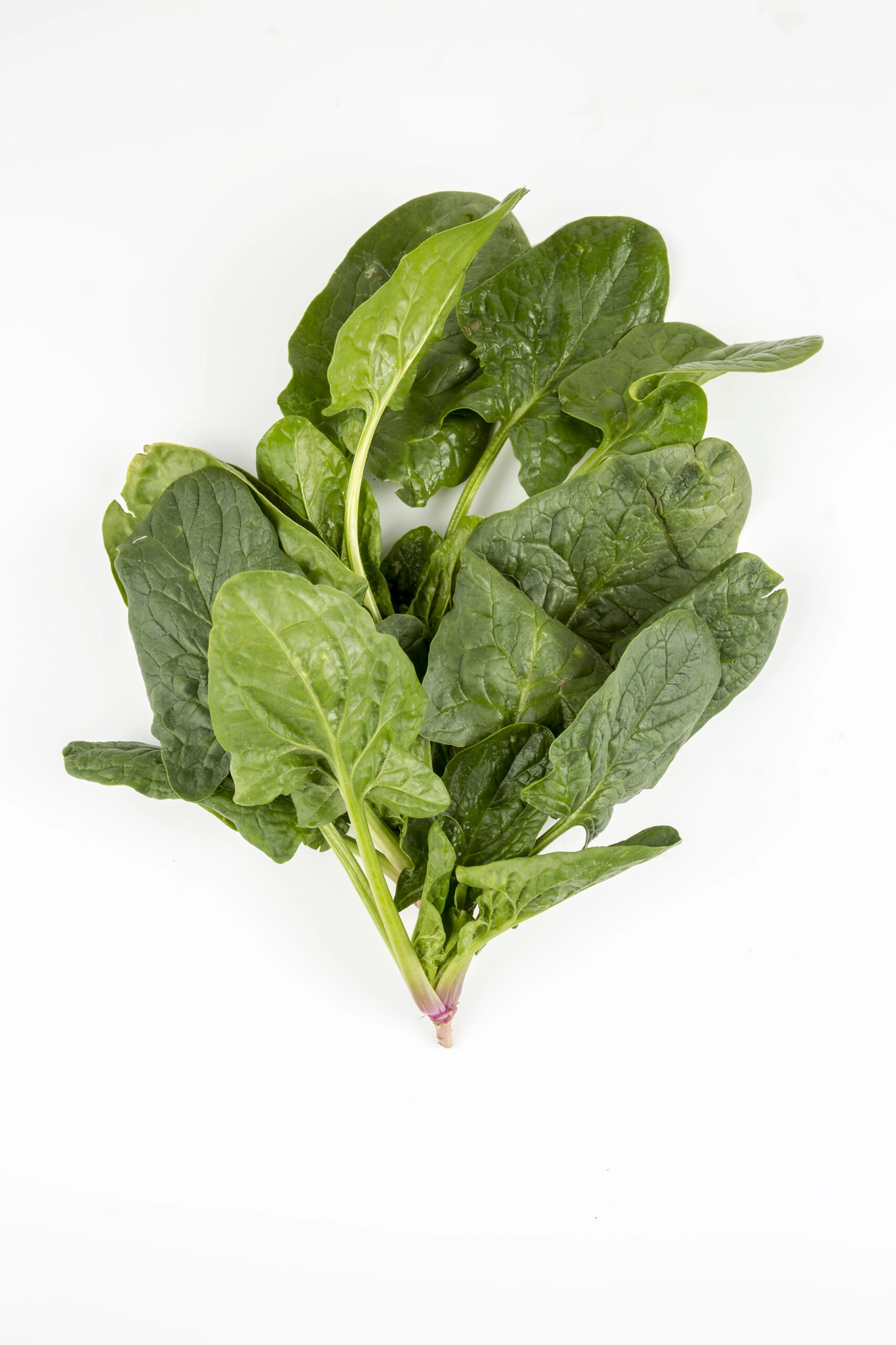
Spinach gives you iron, and iron is what carries oxygen to your muscles. Feeling tired and low on energy is one of the most common signs of running low.
The iron in plants isn’t absorbed as easily as the iron in meat, so pair spinach with something high in vitamin C, like citrus, peppers or the broccoli below.
A big handful wilts down to almost nothing, so you can pile it into eggs or a smoothie without noticing. You get folate and magnesium in the deal too.
NUTRITIONAL CONTENT (PER 100g)
| Cal | P | C | F |
| 23kcal | 2.9g | 3.6g | 0.4g |
| Calories | Protein | Carbs | Fat |
Broccoli
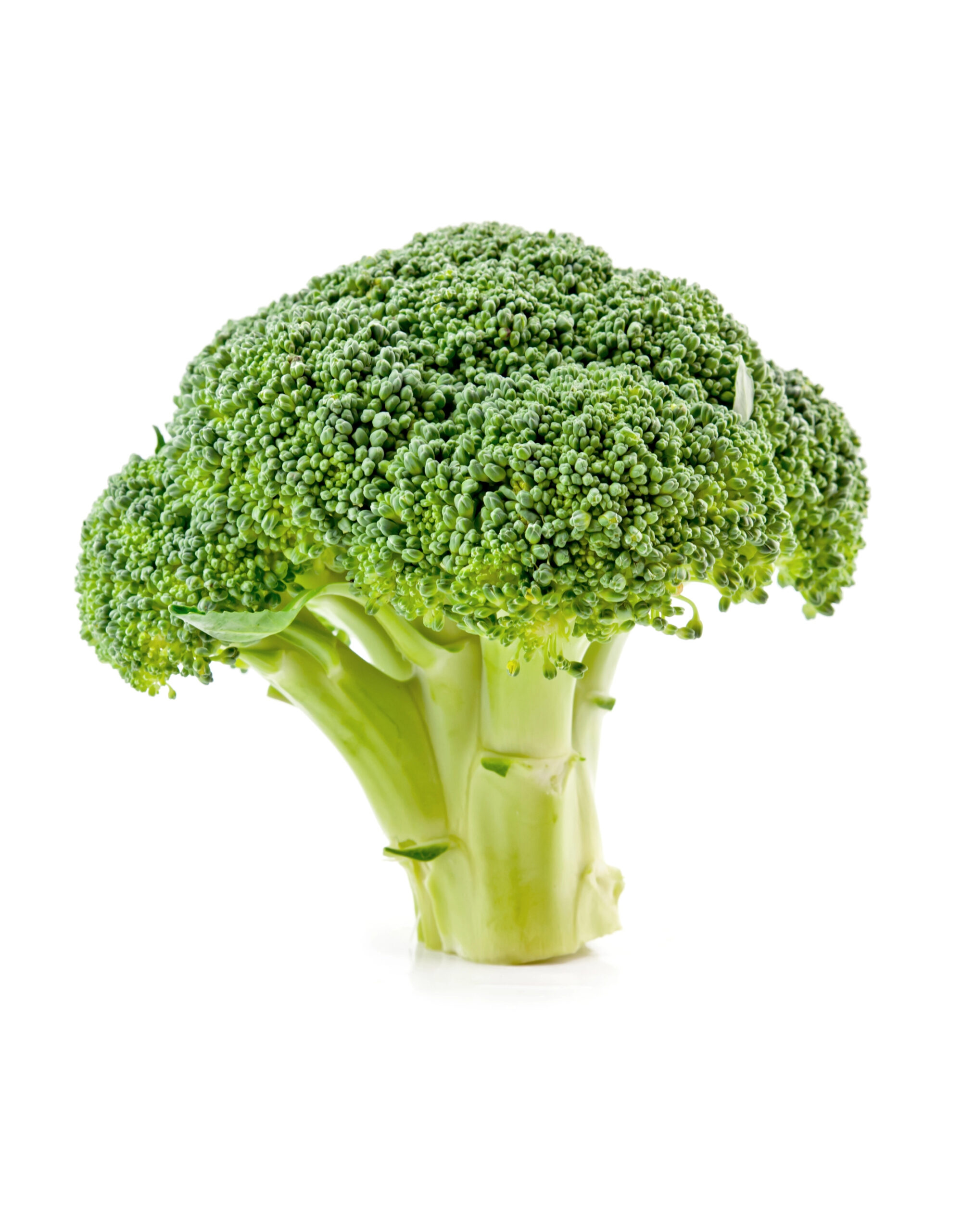
Broccoli puts iron and vitamin C on the same plate, and the vitamin C helps your body absorb the iron, both from the broccoli and from anything else you’re eating with it.
It also carries folate and fiber, and at 34 calories per 100 grams, a big serving costs you almost nothing.
A cup of it alongside your protein does more for your afternoon than its plain green reputation suggests.
NUTRITIONAL CONTENT (PER 100g)
| Cal | P | C | F |
| 34kcal | 2.8g | 7g | 0.4g |
| Calories | Protein | Carbs | Fat |