Low-glycemic fruits get a bad rap they don’t deserve, usually from someone who read one scary headline about sugar and panicked.
Fruit isn’t the enemy of a steady blood sugar reading. Some of it barely moves the needle at all. I went looking for the fruits that prove it, the ones you can eat without doing mental math first, and I was really surprised at what I found.
Easily The Best Low Glycemic Fruits To Eat Right Now
Low glycemic fruits earn their spot on your plate for reasons beyond just dodging a sugar spike.
Blood sugar stability affects your energy, your mood, and whether you’re raiding the convenience store an hour after lunch. Fiber, water content, and how quickly sugars hit your bloodstream all play a part. Here’s the lineup that actually delivers.
Avocado
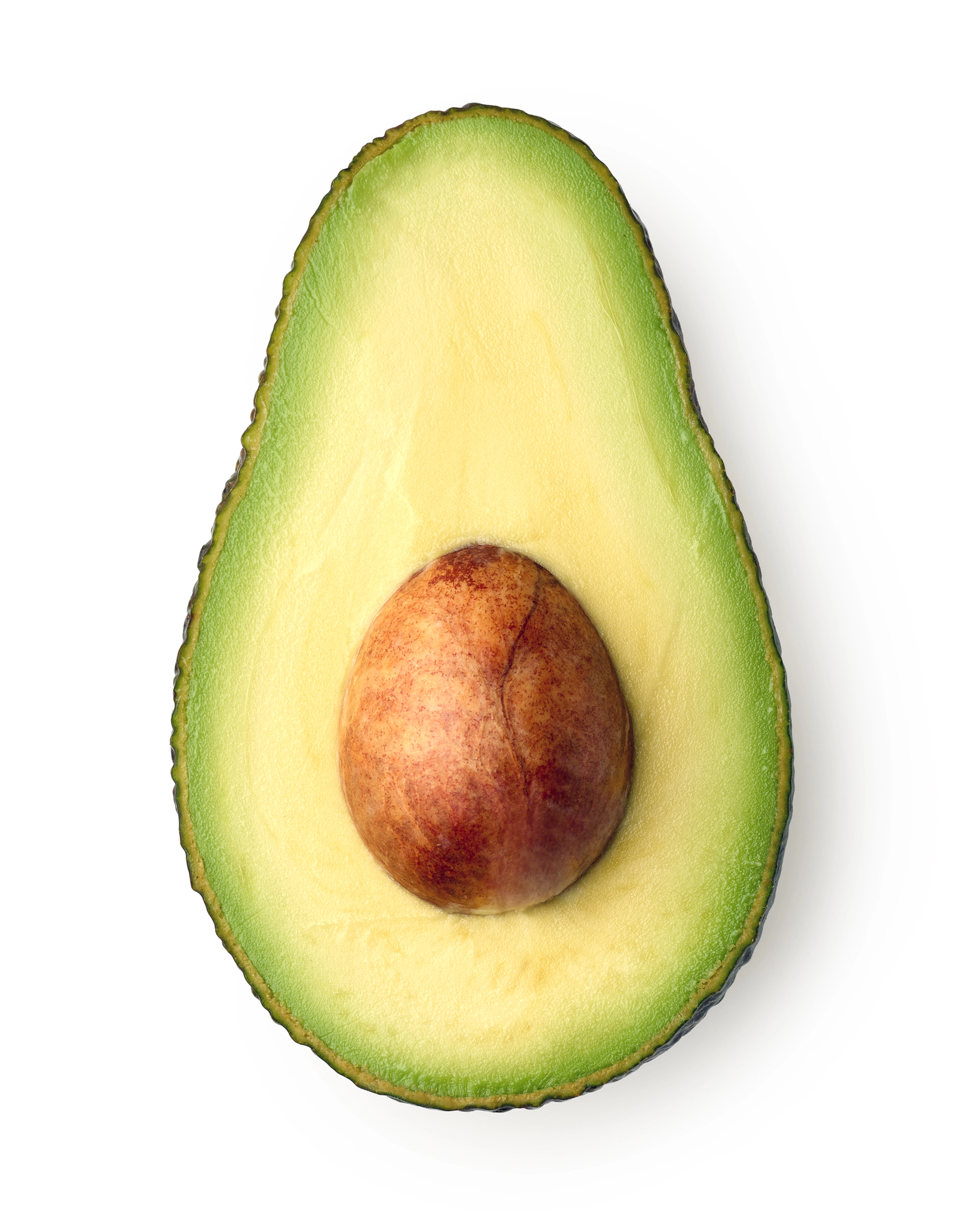
Avocado sits at the bottom of the glycemic index because it barely has any sugar to spike anything in the first place.
Most of its calories come from fat, so your blood sugar just shrugs and moves on.
That’s also why it pairs so well with actual sugary things. Toss it in a smoothie with berries, and it slows the whole thing down.
NUTRITIONAL CONTENT (PER 100g)
| Cal | P | C | F |
| 160kcal | 2g | 9g | 15g |
| Calories | Protein | Carbs | Fat |
Grapefruit
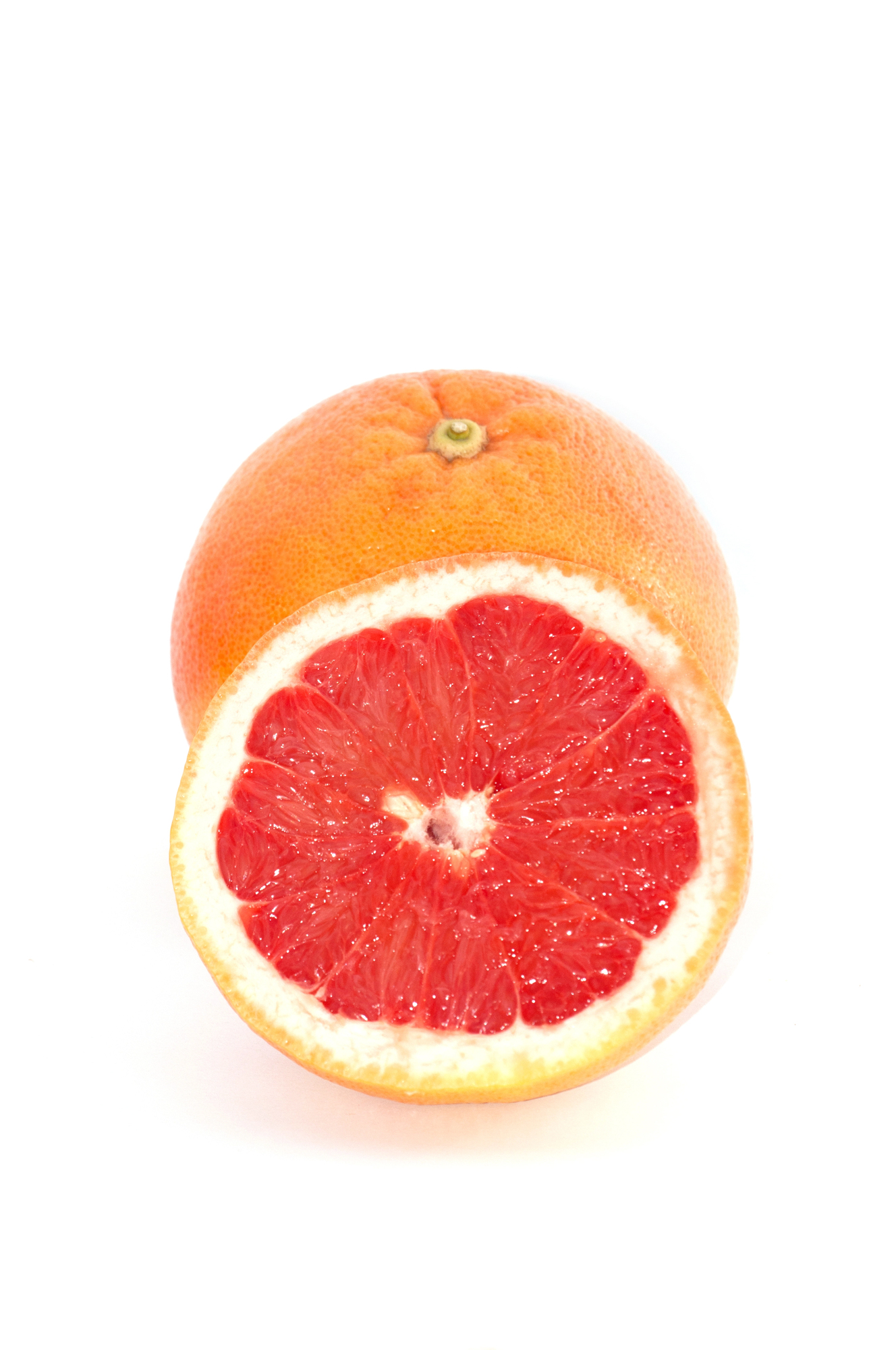
Half a grapefruit sits around 25 on the glycemic index, which is basically the fruit world’s version of a chill friend who never causes drama.
The pink or red kind brings a hit of vitamin C and a bitterness that keeps you from inhaling the whole thing in one sitting.
I eat mine with a spoon straight out of the peel, no sugar sprinkled on top. It’s slow to digest and hard to overdo, which is exactly what you want.
NUTRITIONAL CONTENT (PER 100g)
| Cal | P | C | F |
| 42kcal | 0.8g | 10.7g | 0.1g |
| Calories | Protein | Carbs | Fat |
Apples
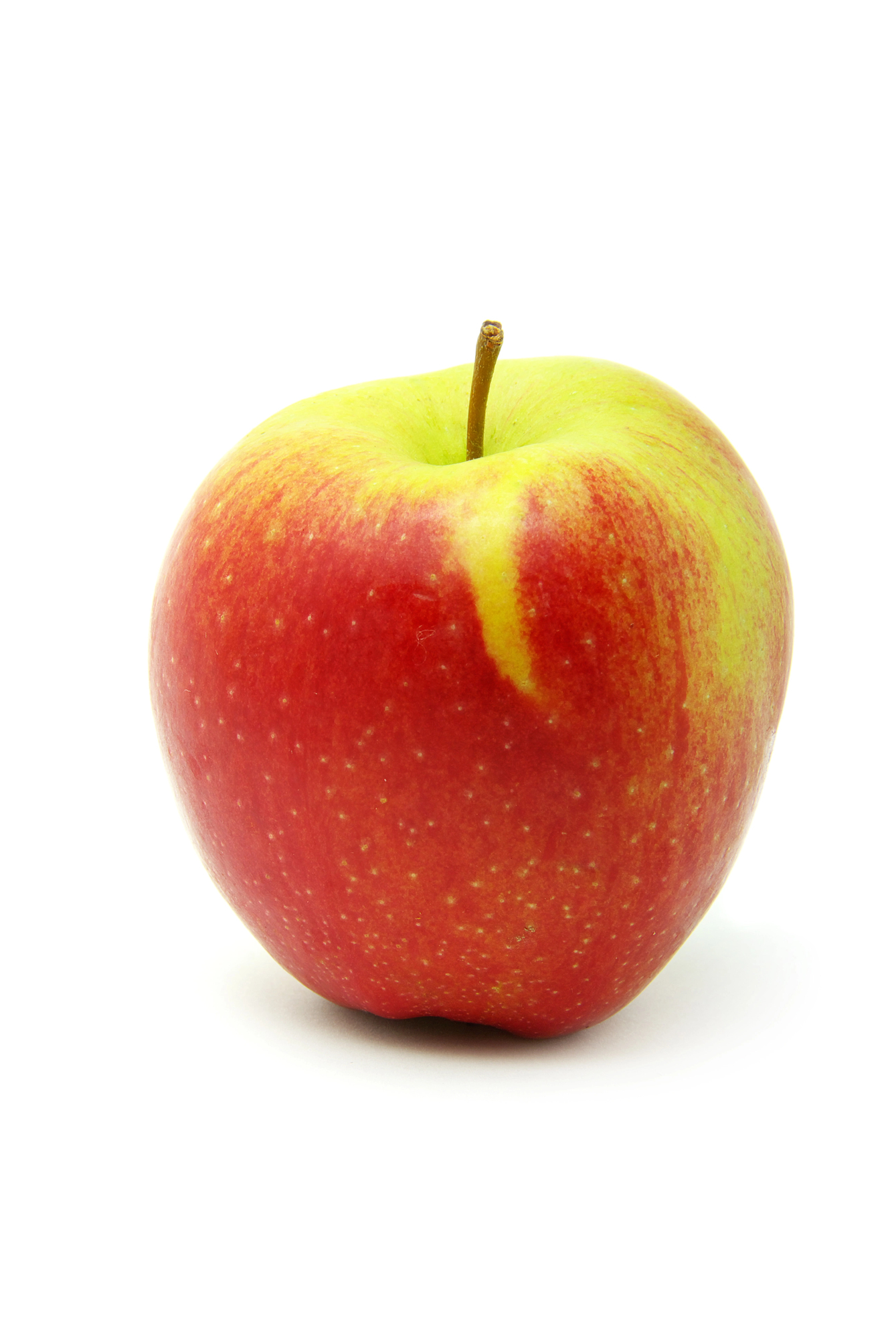
An apple sits around 36 on the glycemic index, low enough that the sugar trickles in rather than floods.
Credit the skin. That’s where most of the fiber lives, and fiber slows the whole digestion process down to a manageable pace.
I eat mine unpeeled, walking around the kitchen, because peeling an apple feels like a personal insult to the apple.
NUTRITIONAL CONTENT (PER 100g)
| Cal | P | C | F |
| 52kcal | 0.3g | 14g | 0.2g |
| Calories | Protein | Carbs | Fat |
Cherries
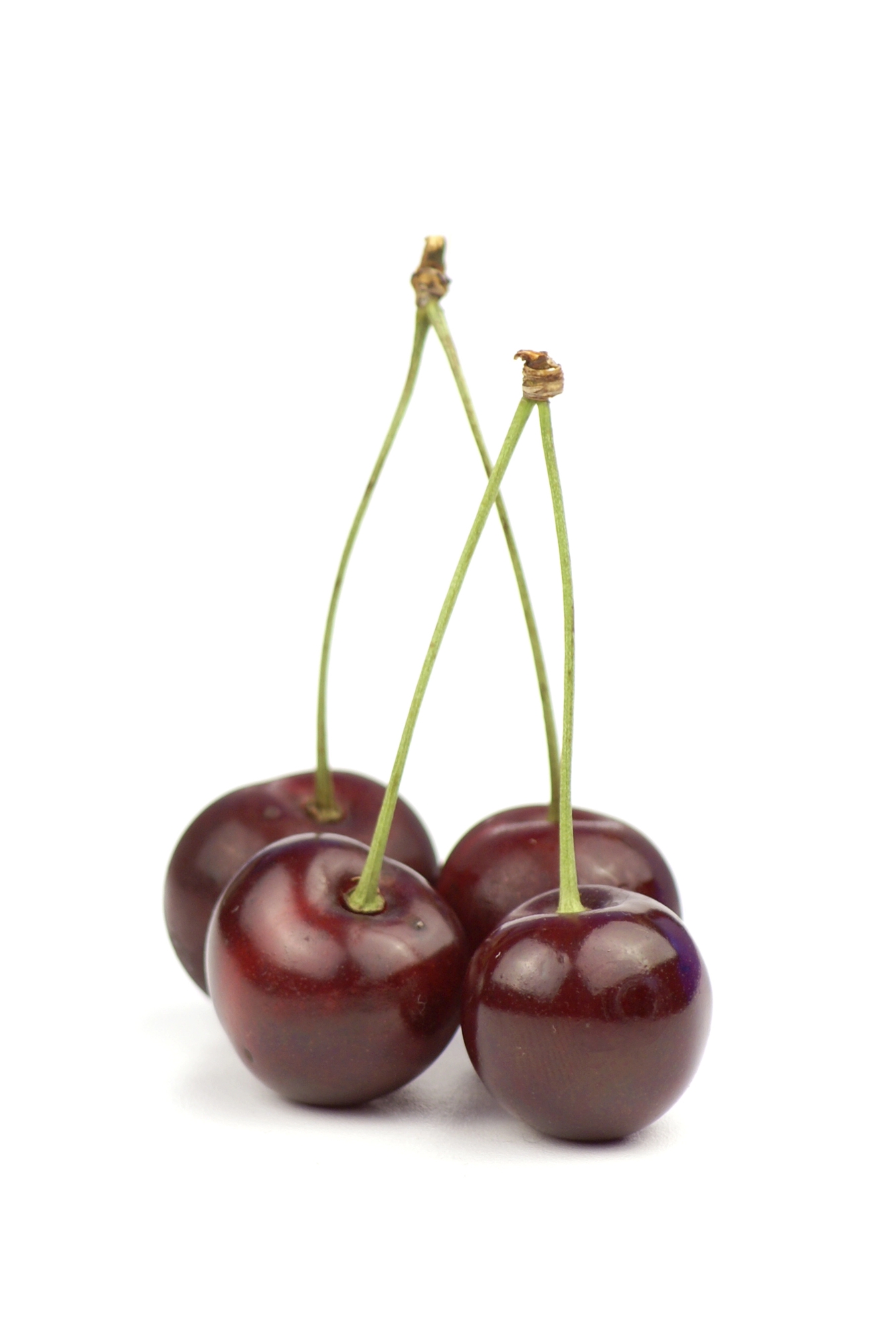
Cherries sit around 20 on the glycemic index, which is shockingly low for something that tastes like candy off the tree.
That sweetness comes wrapped in fiber and water instead of a sugar rush, so your blood sugar barely notices.
Anthocyanins give cherries their deep red color and do double duty fighting inflammation. Eat a handful cold out of the fridge on a hot day and tell me that’s not one of the best snacks alive.
NUTRITIONAL CONTENT (PER 100g)
| Cal | P | C | F |
| 63kcal | 1.1g | 16g | 0.2g |
| Calories | Protein | Carbs | Fat |
Pears
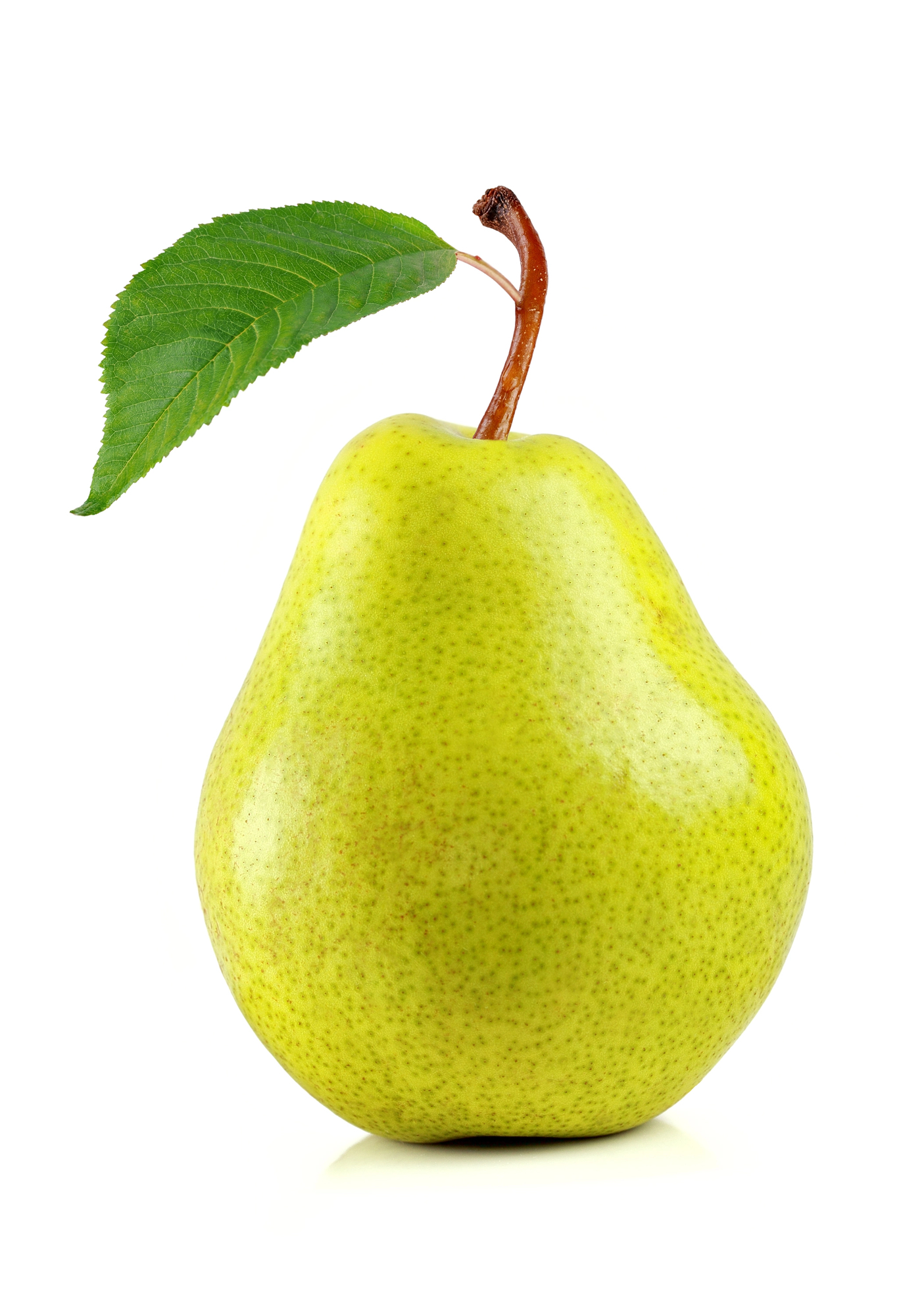
A pear sits around 38 on the glycemic index, low enough that it barely nudges your blood sugar even with the skin’s natural sweetness intact.
The skin holds most of the fiber, close to 6 grams per pear, and that fiber slows down how fast the sugar hits your system.
Leave the peel on, eat it slightly firm, and you get a snack that fills you up instead of spiking you.
NUTRITIONAL CONTENT (PER 100g)
| Cal | P | C | F |
| 57kcal | 0.4g | 15g | 0.1g |
| Calories | Protein | Carbs | Fat |
Apricots
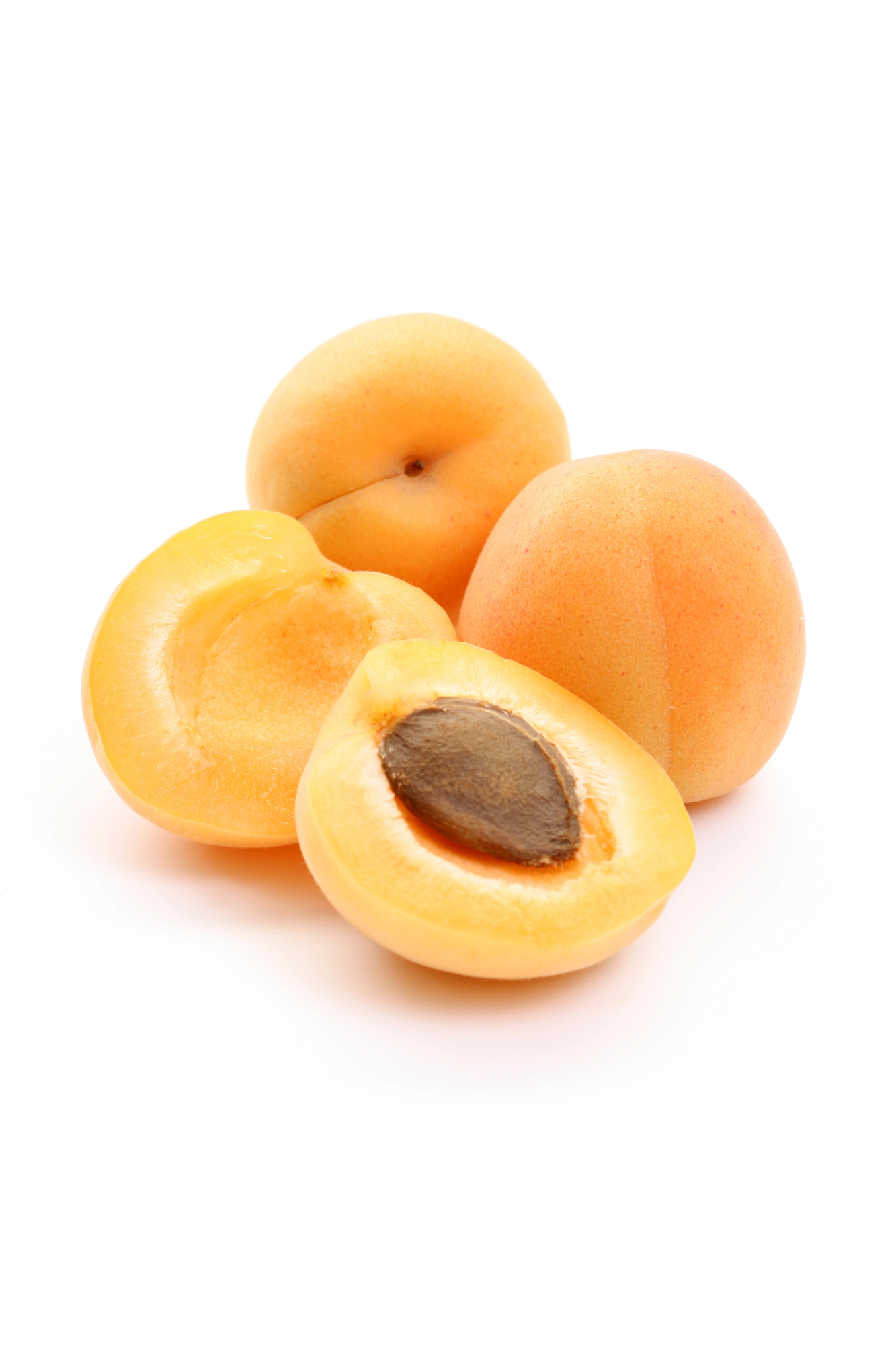
Apricots sit at a glycemic index around 34, which is remarkably low for something that tastes like summer distilled into a fist-sized fruit.
Three of them come in under 50 calories and still deliver over a gram of fiber to slow down whatever sugar is in there.
Keep this one fresh off the tree if you want the low glycemic bragging rights. Dried versions creep up in sugar concentration.
NUTRITIONAL CONTENT (PER 100g)
| Cal | P | C | F |
| 48kcal | 1.4g | 11g | 0.4g |
| Calories | Protein | Carbs | Fat |
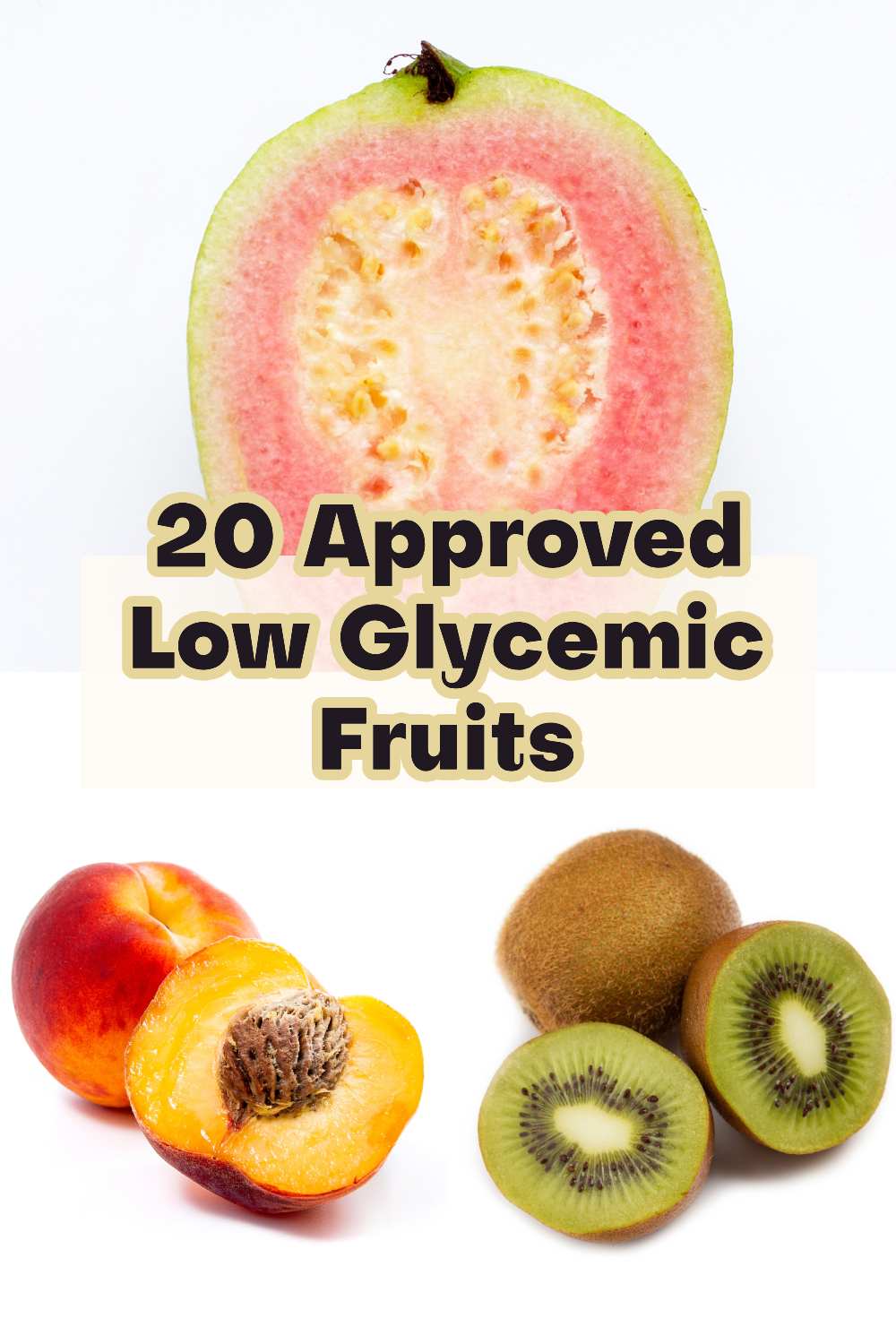
Guava
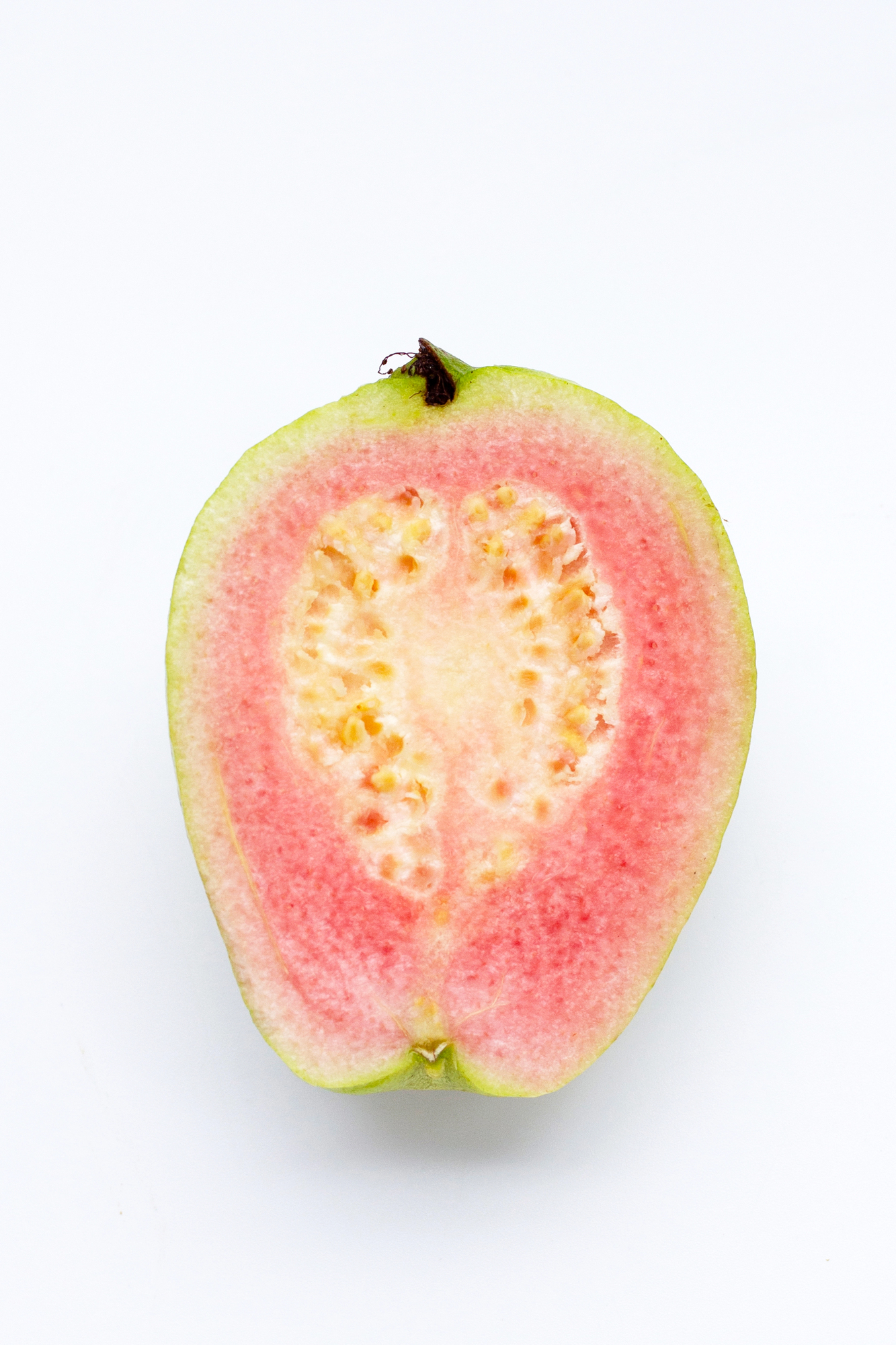
Guava sits around 12 on the glycemic index and packs more vitamin C than an orange, gram for gram. That alone makes it worth the seeds.
The seeds themselves are the real trick. They’re so full of fiber that your body has to work for every bit of sugar it gets, which flattens out any spike before it starts.
NUTRITIONAL CONTENT (PER 100g)
| Cal | P | C | F |
| 68kcal | 2.6g | 14g | 1g |
| Calories | Protein | Carbs | Fat |
Kiwi
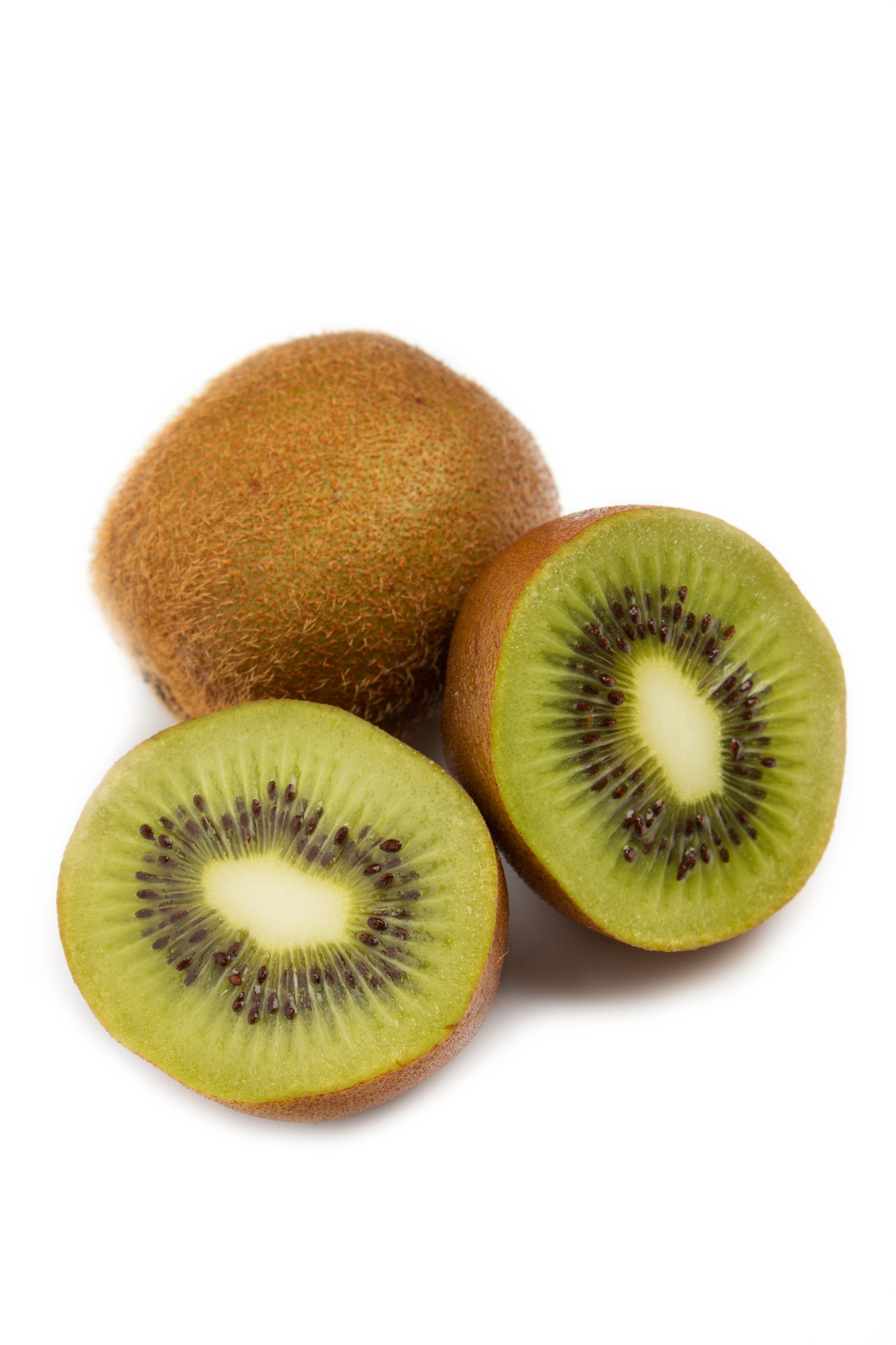
Kiwi sits at a glycemic index around 50, low enough that its sugar trickles in rather than floods.
The skin holds a chunk of the fiber, so if you can stomach the fuzz, eat it whole and slow everything in your digestion down further.
One kiwi also covers your vitamin C for the day, twice over. Sweet, tart, done in three bites, and your blood sugar barely notices.
NUTRITIONAL CONTENT (PER 100g)
| Cal | P | C | F |
| 61kcal | 1.1g | 14.7g | 0.5g |
| Calories | Protein | Carbs | Fat |
Oranges
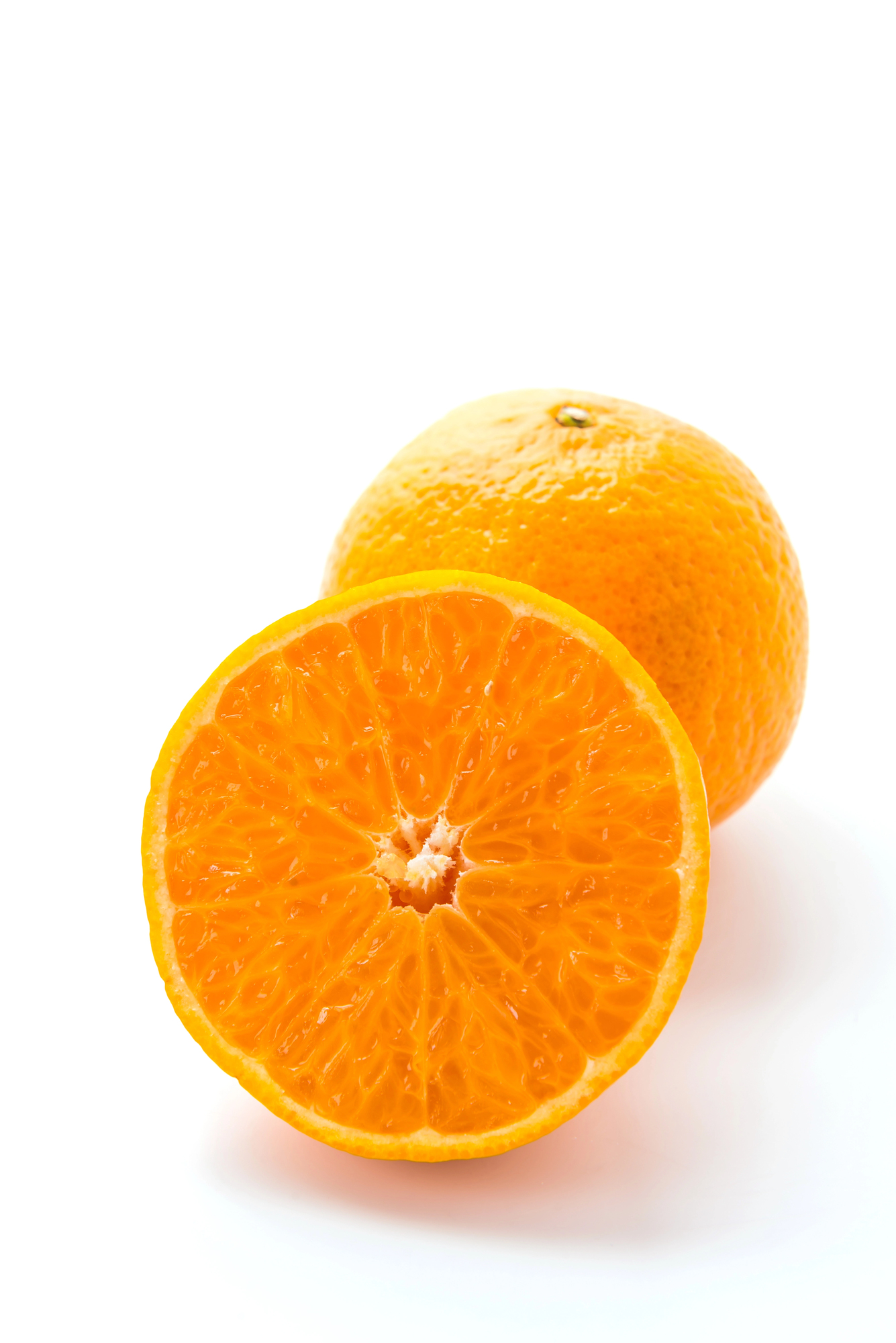
An orange sits around 40 on the glycemic index, and the fiber in those segments slows the sugar hit way more than a glass of juice ever could.
You’re eating the pulp, the membrane, all of it, and that structure is doing real work on your blood sugar.
Grab one whole and skip the carton. Same fruit, completely different math.
NUTRITIONAL CONTENT (PER 100g)
| Cal | P | C | F |
| 47kcal | 0.9g | 12g | 0.1g |
| Calories | Protein | Carbs | Fat |
Nectarines
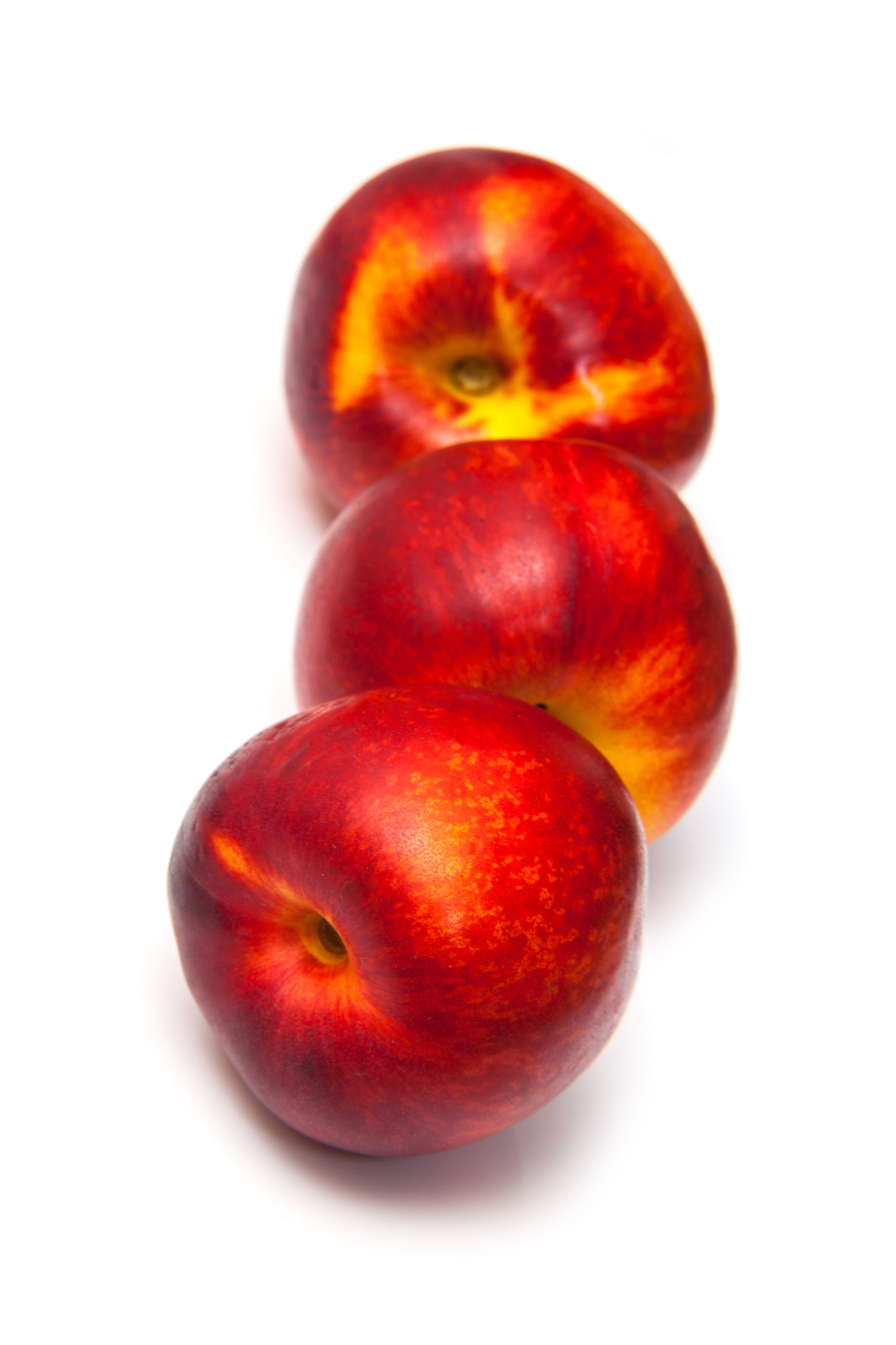
Nectarines sit around 43 on the glycemic index, low enough that the sugar hits your blood slowly instead of all at once.
The skin holds fiber that slows things down even more, so you get sweetness without the spike.
One nectarine has around 60 calories and a decent hit of vitamin C. Eat it warm off the counter in August, and it barely feels like a health food at all.
NUTRITIONAL CONTENT (PER 100g)
| Cal | P | C | F |
| 44kcal | 1g | 10g | 0.3g |
| Calories | Protein | Carbs | Fat |
Pomegranates
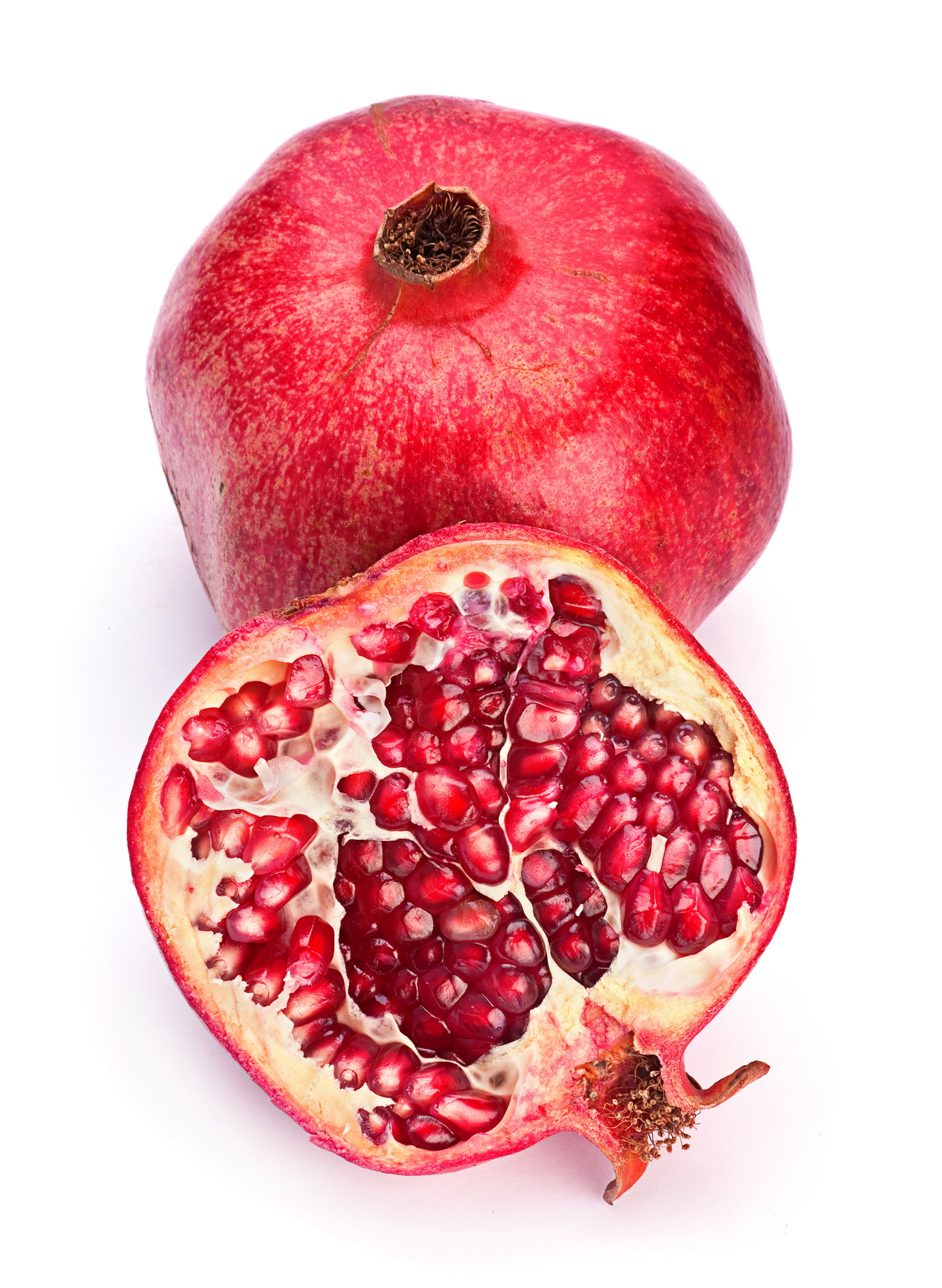
Pomegranate seeds sit at a glycemic index around 35, and the fiber packed into those little arils slows down whatever sugar is in there. You get a satisfying crunch instead of a syrupy hit.
One cup gives you fiber and a pile of polyphenols, the same compounds getting credit for better blood pressure and less inflammation.
Sprinkle them on yogurt or salad, and you barely notice you’re eating fruit at all.
NUTRITIONAL CONTENT (PER 100g)
| Cal | P | C | F |
| 83kcal | 1.7g | 19g | 1.2g |
| Calories | Protein | Carbs | Fat |
Strawberries
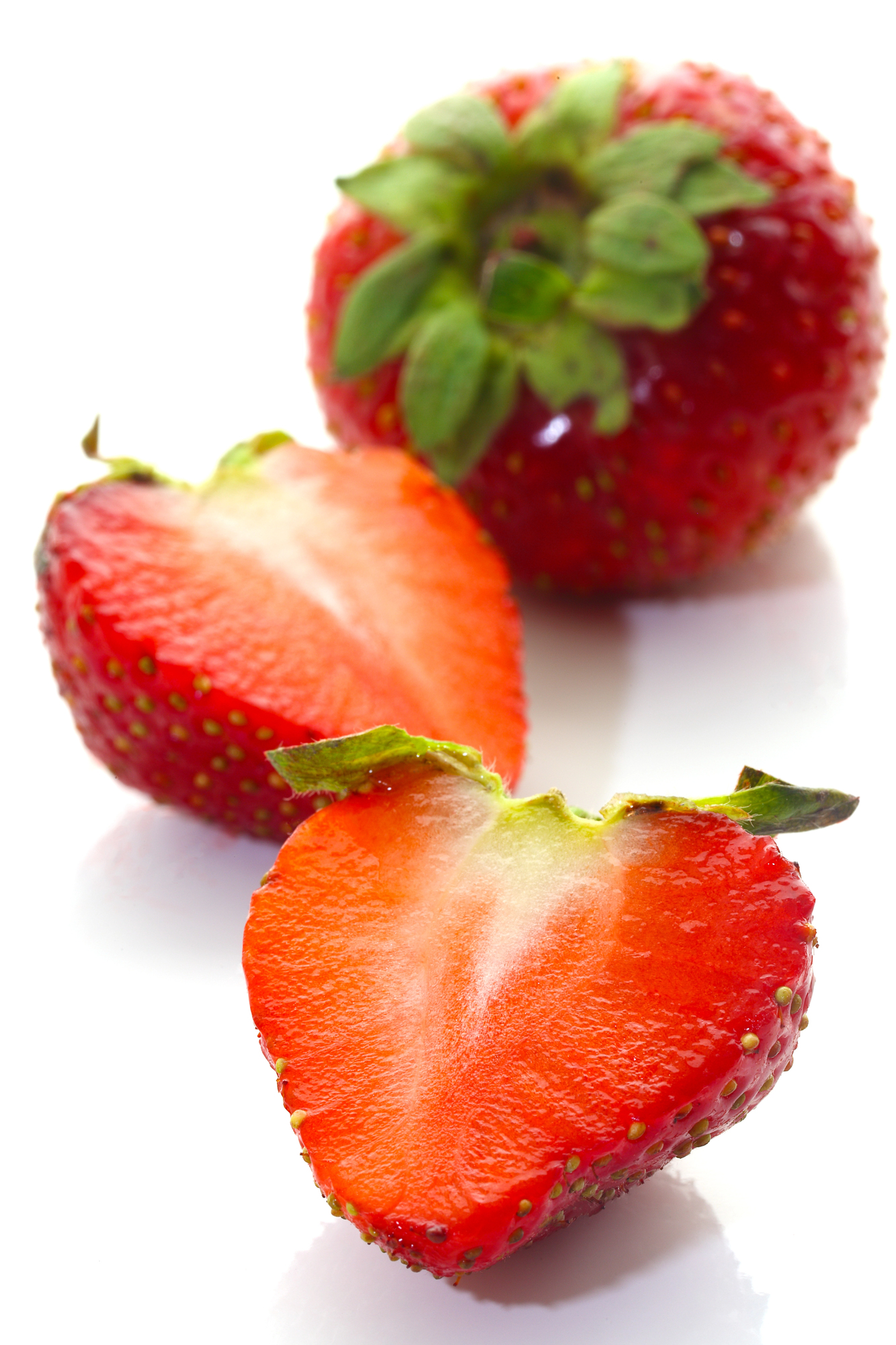
Strawberries clock in around 40 on the glycemic index, which is basically the fruit bowl’s quiet achiever.
A cup is mostly water and fiber, with only about 7 grams of actual sugar doing any work.
I eat them by the handful and never see the blood sugar spike I’d get from a banana. Slice them onto plain yogurt, and you’ve got dessert that behaves itself.
NUTRITIONAL CONTENT (PER 100g)
| Cal | P | C | F |
| 32kcal | 0.7g | 7.7g | 0.3g |
| Calories | Protein | Carbs | Fat |
Raspberries
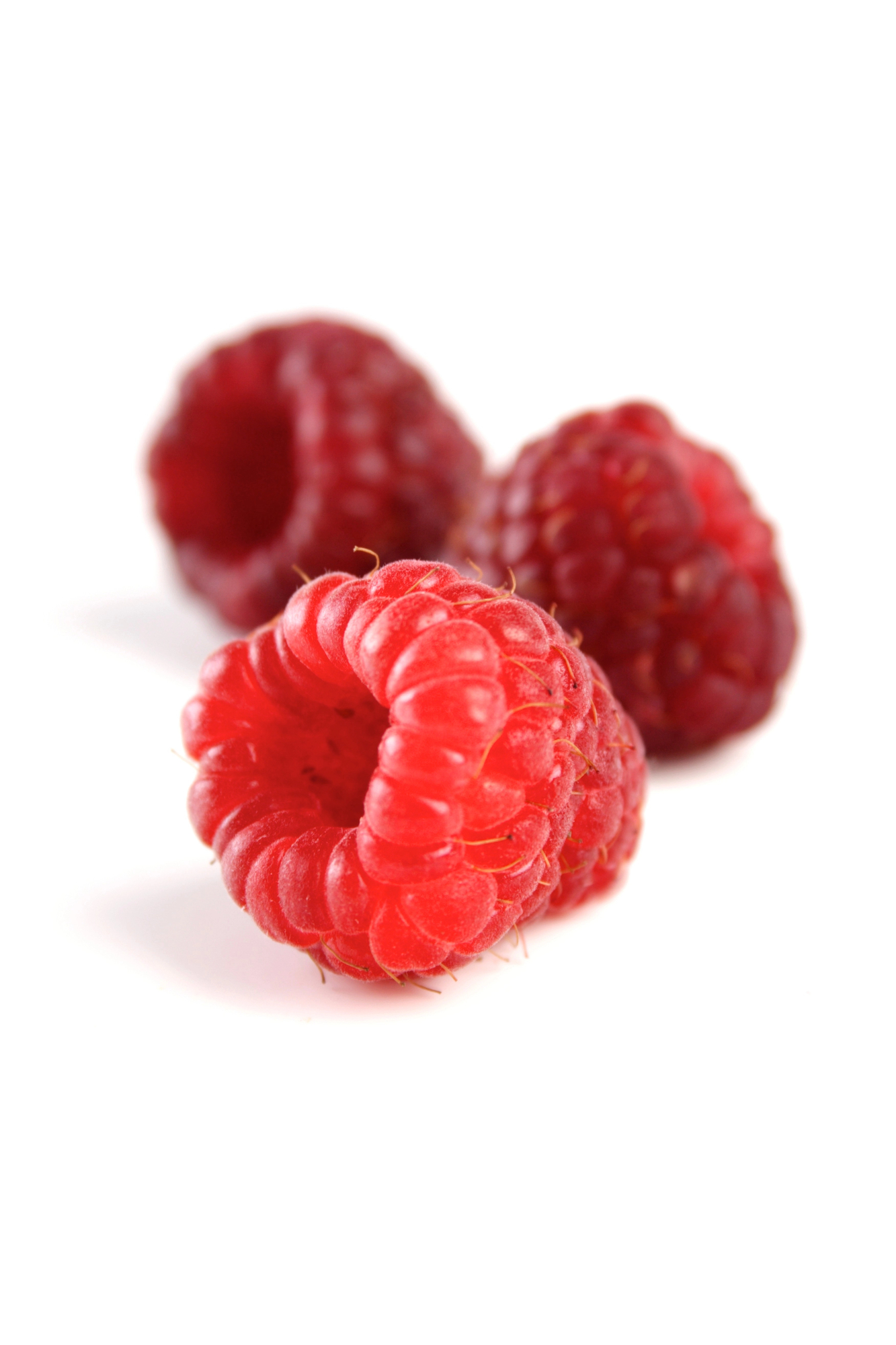
Raspberries pack fewer than 6 grams of net carbs per cup once you subtract the fiber, so most of what you’re eating barely registers on a blood sugar test. That fiber slows down any sugar that is in there, which keeps things gentle.
They’re also ridiculous value for how little sugar they carry. A cup gets you more fiber than a slice of whole wheat bread.
NUTRITIONAL CONTENT (PER 100g)
| Cal | P | C | F |
| 52kcal | 1.2g | 11.9g | 0.7g |
| Calories | Protein | Carbs | Fat |
Blackberries
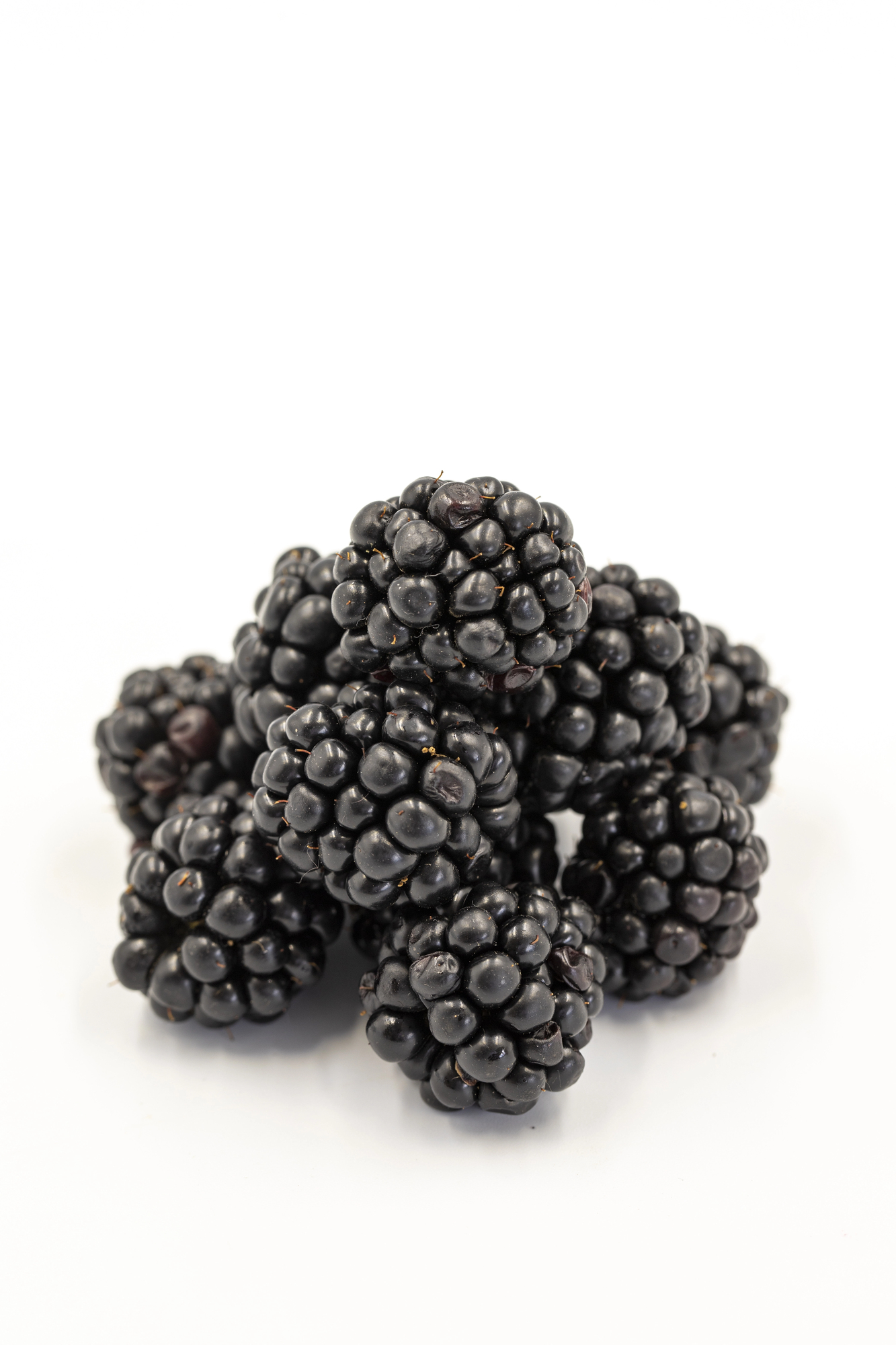
Blackberries pack a glycemic index in the low 20s, so the sugar hits your blood slowly instead of all at once.
Most of that comes down to fiber. A single cup has close to 8 grams of it, which is more than a lot of cereals marketed for exactly that reason.
They’re also mostly water, which is why a whole handful barely dents your daily carb count. Tart, seedy, a little messy to eat. Worth it.
NUTRITIONAL CONTENT (PER 100g)
| Cal | P | C | F |
| 43kcal | 1.4g | 10g | 0.5g |
| Calories | Protein | Carbs | Fat |
Blueberries
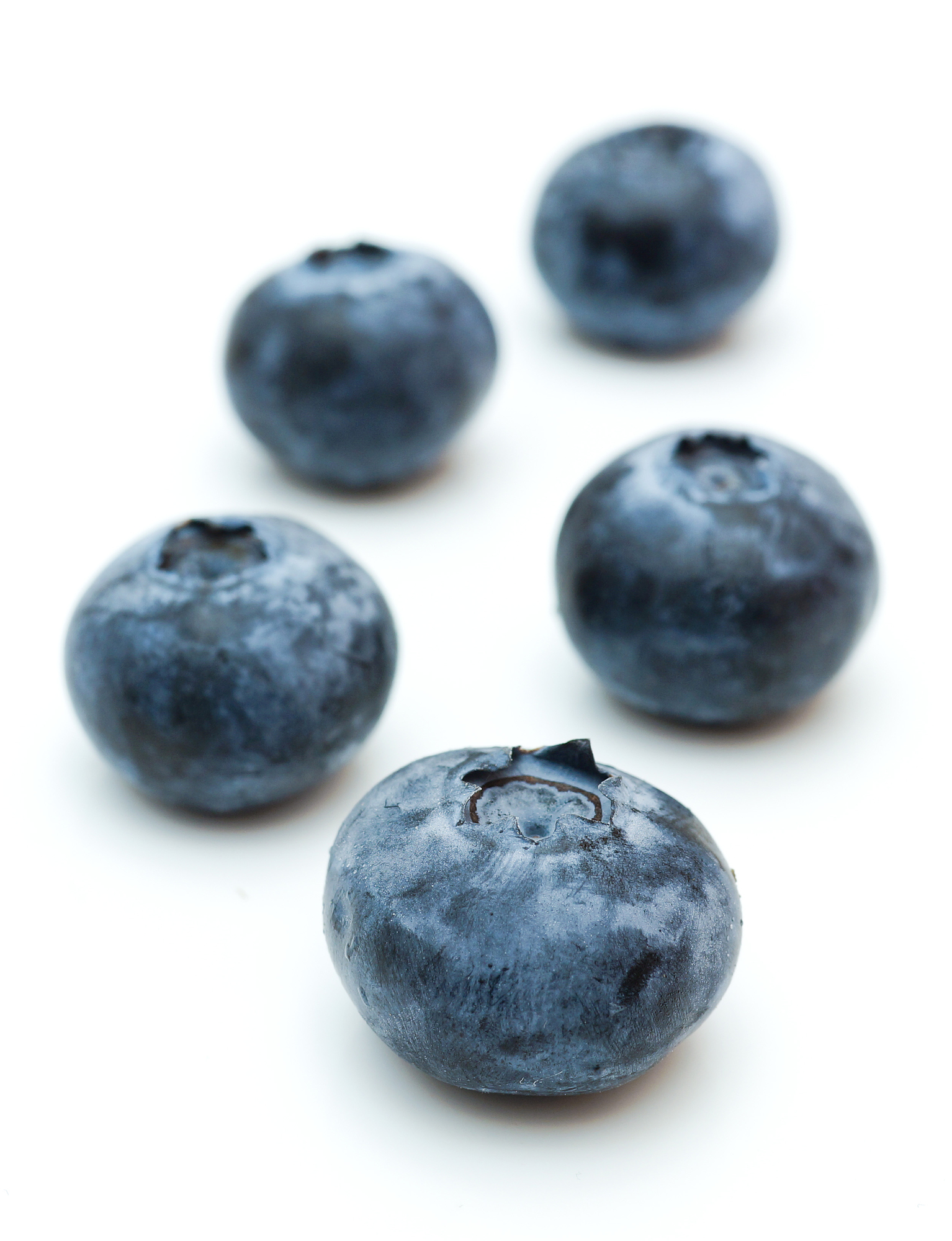
Blueberries sit around 53 on the glycemic index, low enough to eat by the handful without a blood sugar spike an hour later.
The fiber and water content slow everything down, so the sugar trickles in instead of flooding.
They also pack anthocyanins, the pigment behind that deep blue color, which research keeps tying to better insulin sensitivity. Small berry, real staying power.
NUTRITIONAL CONTENT (PER 100g)
| Cal | P | C | F |
| 57kcal | 0.7g | 14g | 0.3g |
| Calories | Protein | Carbs | Fat |
Passion Fruit
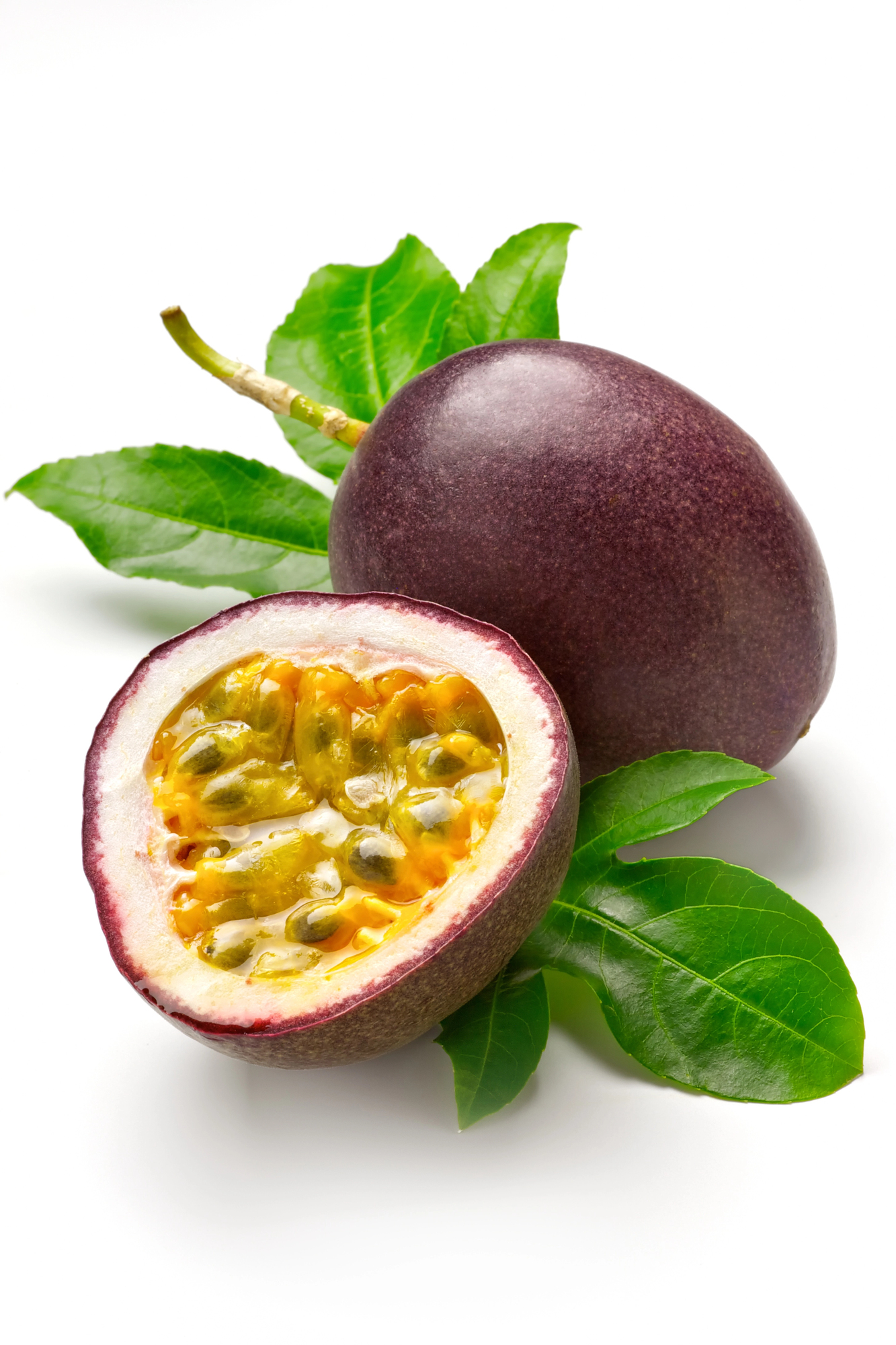
Passion fruit has a glycemic index around 30, low enough to earn its spot on this list without much argument.
Crack one open, and you get a pile of seeds and pulp that’s more fiber than sugar by the time your body’s done with it, so the sweetness lands slow instead of all at once.
One fruit gives you close to a quarter of your daily fiber. That’s the real reason it behaves so well.
NUTRITIONAL CONTENT (PER 100g)
| Cal | P | C | F |
| 97kcal | 2.2g | 23g | 0.4g |
| Calories | Protein | Carbs | Fat |
Figs
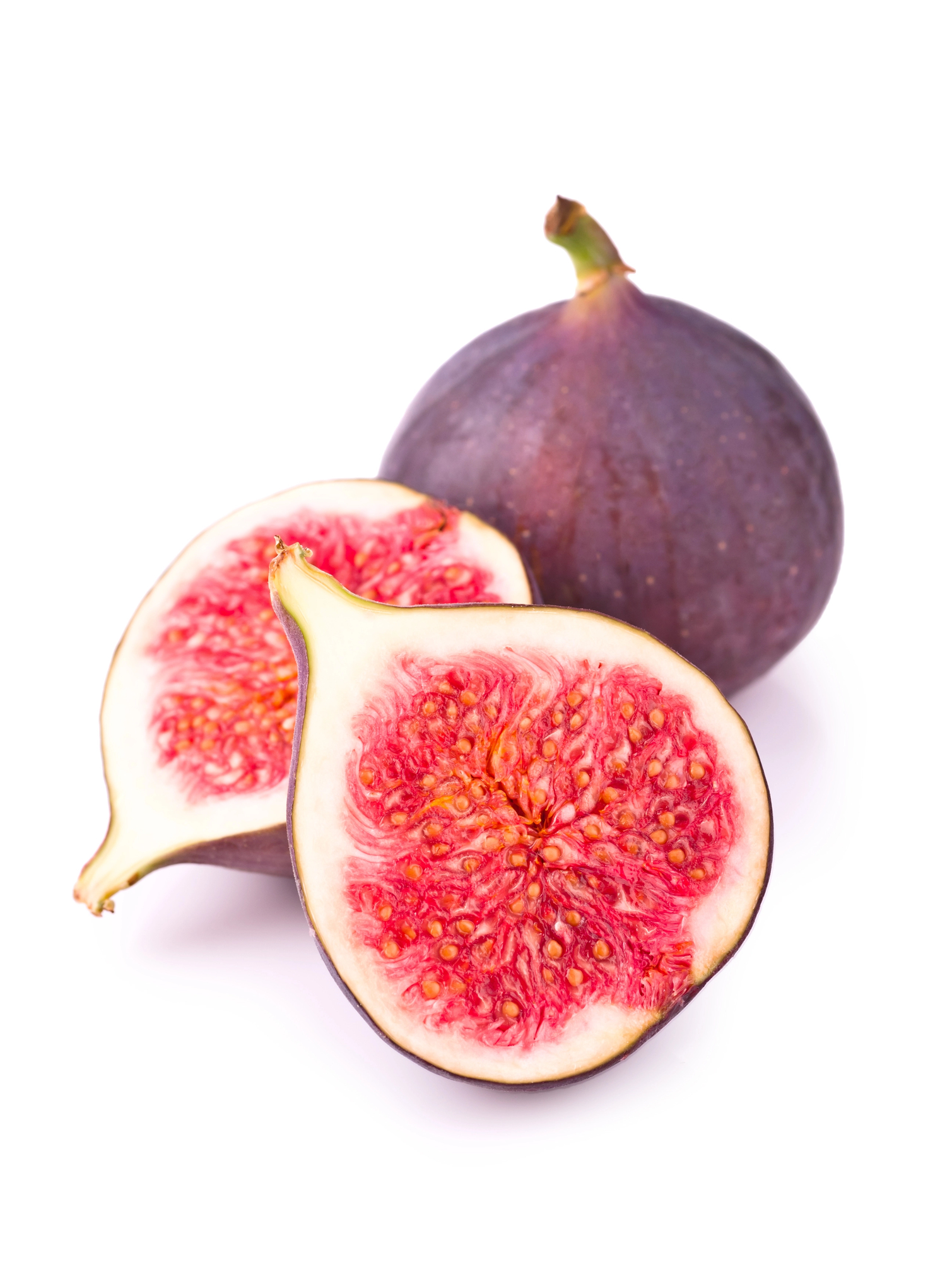
Fresh figs land around 35 on the glycemic index, which surprises people who only know them dried and sticky-sweet.
That fiber, seeds and all, slows down how fast the sugar hits your bloodstream.
Two fresh figs make a genuinely satisfying snack, honey-sweet without the crash an hour later.
NUTRITIONAL CONTENT (PER 100g)
| Cal | P | C | F |
| 74kcal | 0.8g | 19g | 0.3g |
| Calories | Protein | Carbs | Fat |
Peaches
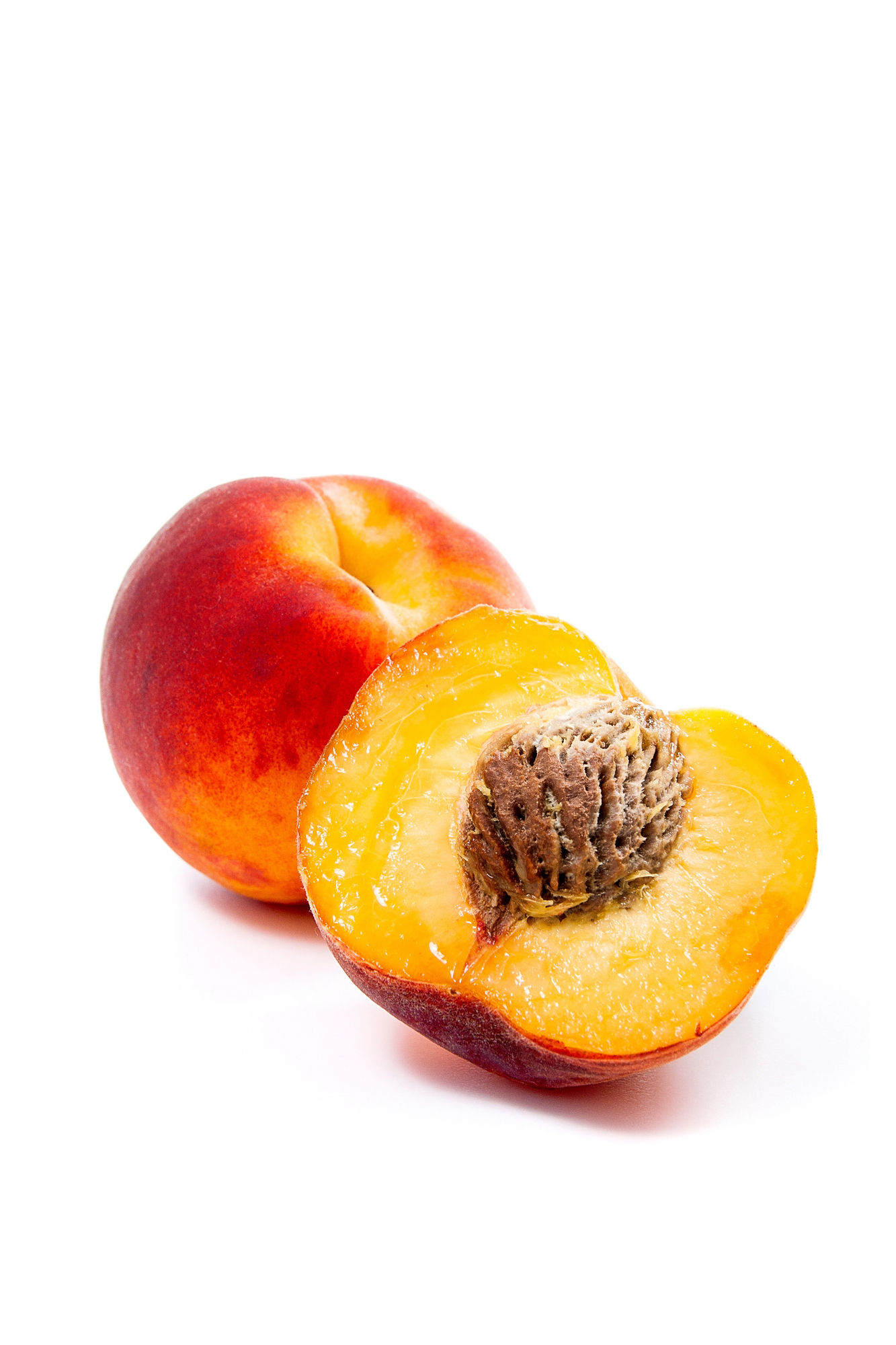
A peach lands around 42 on the glycemic index, which puts it closer to a vegetable than a candy bar despite the sugary reputation.
The flesh is mostly water, which dilutes the sugar hit and keeps digestion slow.
Eat one whole with the skin on, and you get fiber that blunts the spike even further. Sliced into yogurt or grilled for five minutes, it still behaves. Just skip the syrup it usually swims in at the diner.
NUTRITIONAL CONTENT (PER 100g)
| Cal | P | C | F |
| 39kcal | 0.9g | 10g | 0.3g |
| Calories | Protein | Carbs | Fat |
Plums
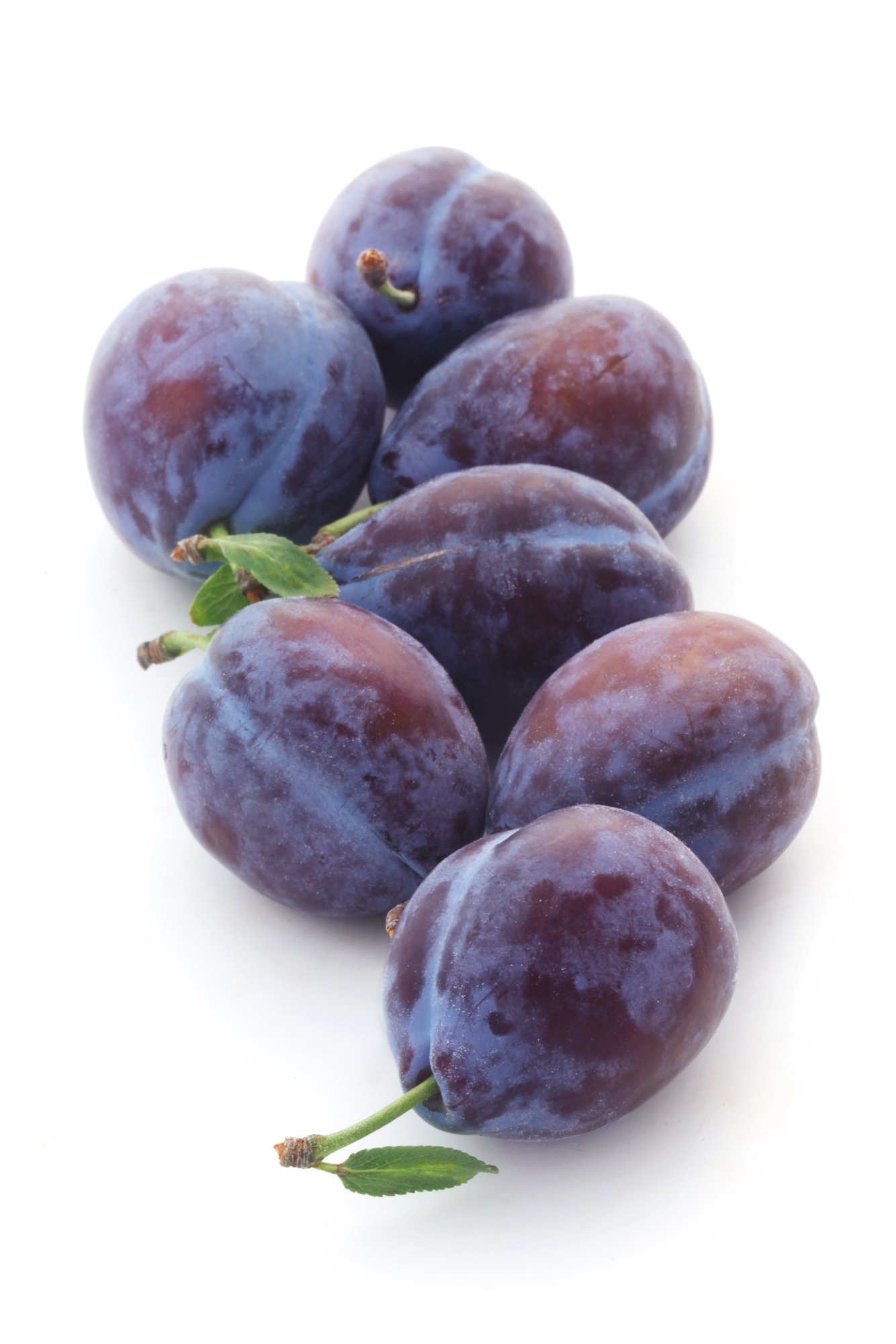
Plums sit around 35 on the glycemic index, so that sweet tart snap doesn’t send your blood sugar sprinting anywhere.
The skin carries a solid dose of fiber that slows down how fast the sugar hits your system in the first place.
Two plums make a real snack for about 60 calories, which is the kind of math that makes this whole low glycemic thing feel easy instead of restrictive.
NUTRITIONAL CONTENT (PER 100g)
| Cal | P | C | F |
| 46kcal | 0.7g | 11g | 0.3g |
| Calories | Protein | Carbs | Fat |
Prunes
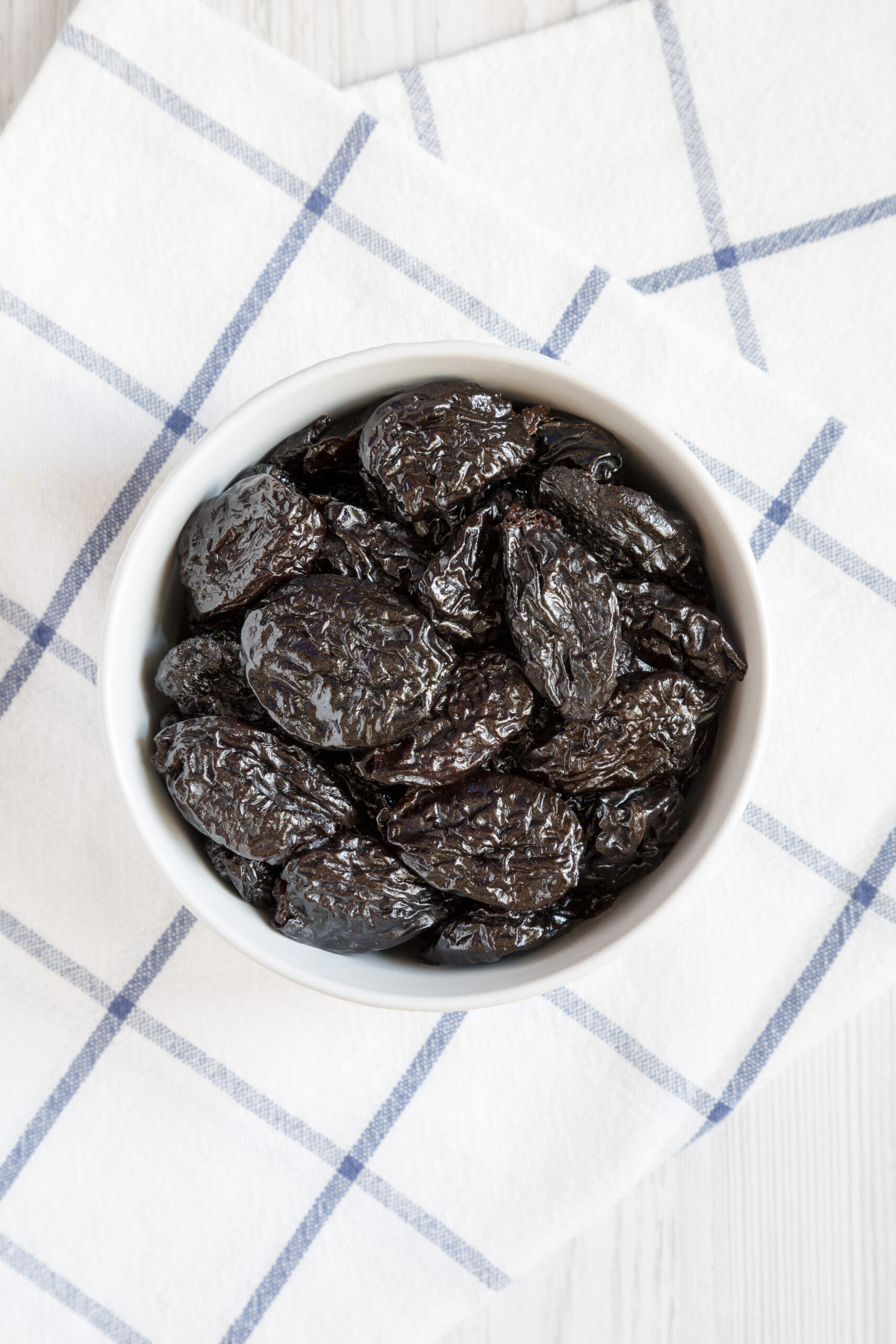
Prunes land around 29 on the glycemic index, lower than the plums they started as before drying packed all that sugar down.
The fiber gets concentrated right along with it, so the release stays slow instead of spiking your blood sugar the way you’d expect.
Six prunes taste sweeter than the plums it took to make them, and you still get that steady release instead of a crash.
NUTRITIONAL CONTENT (PER 100g)
| Cal | P | C | F |
| 240kcal | 2.2g | 64g | 0.4g |
| Calories | Protein | Carbs | Fat |