Probiotic foods have quietly taken over my fridge, and honestly, my gut has never been happier about it. Yogurt, kefir, kimchi, miso, the whole gang.
Some I already loved. Others I had to warm up to slowly, mostly because natto smells like a locker room. Here are 20 probiotic foods worth stocking up on, plus exactly what each one does for you.

Why I Need To Tell You About These Probiotic Foods
These probiotic foods aren’t some wellness trend I picked up from a podcast. I started eating this way after turning keeping my gut in check into a full-time hobby, and the fix wasn’t a supplement, it was food.
My fridge now looks like a science experiment, and I’m telling you why yours should too.
Yogurt
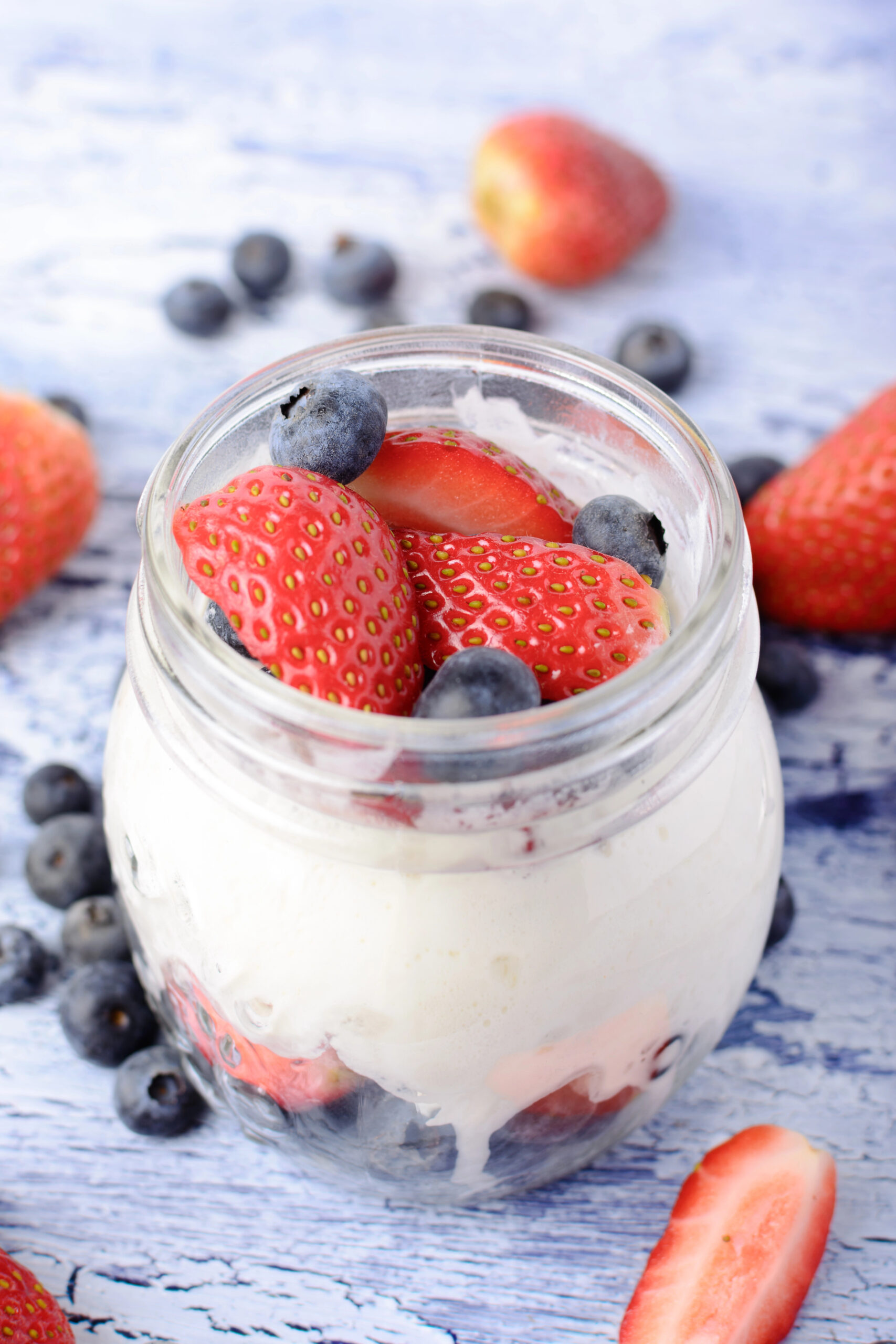
Plain yogurt is the gateway probiotic food, the one everyone already has in the fridge without realizing it’s doing anything. Look for live and active cultures on the label, because that’s the part that actually seeds your gut with the good stuff.
A spoonful gives you Lactobacillus and Bifidobacterium strains that help keep digestion running smoothly, plus a solid hit of protein to make it feel like breakfast instead of an afterthought.
NUTRITIONAL CONTENT (PER 100g)
| Cal | P | C | F |
| 61kcal | 3.5g | 4.7g | 3.3g |
| Calories | Protein | Carbs | Fat |
Kefir
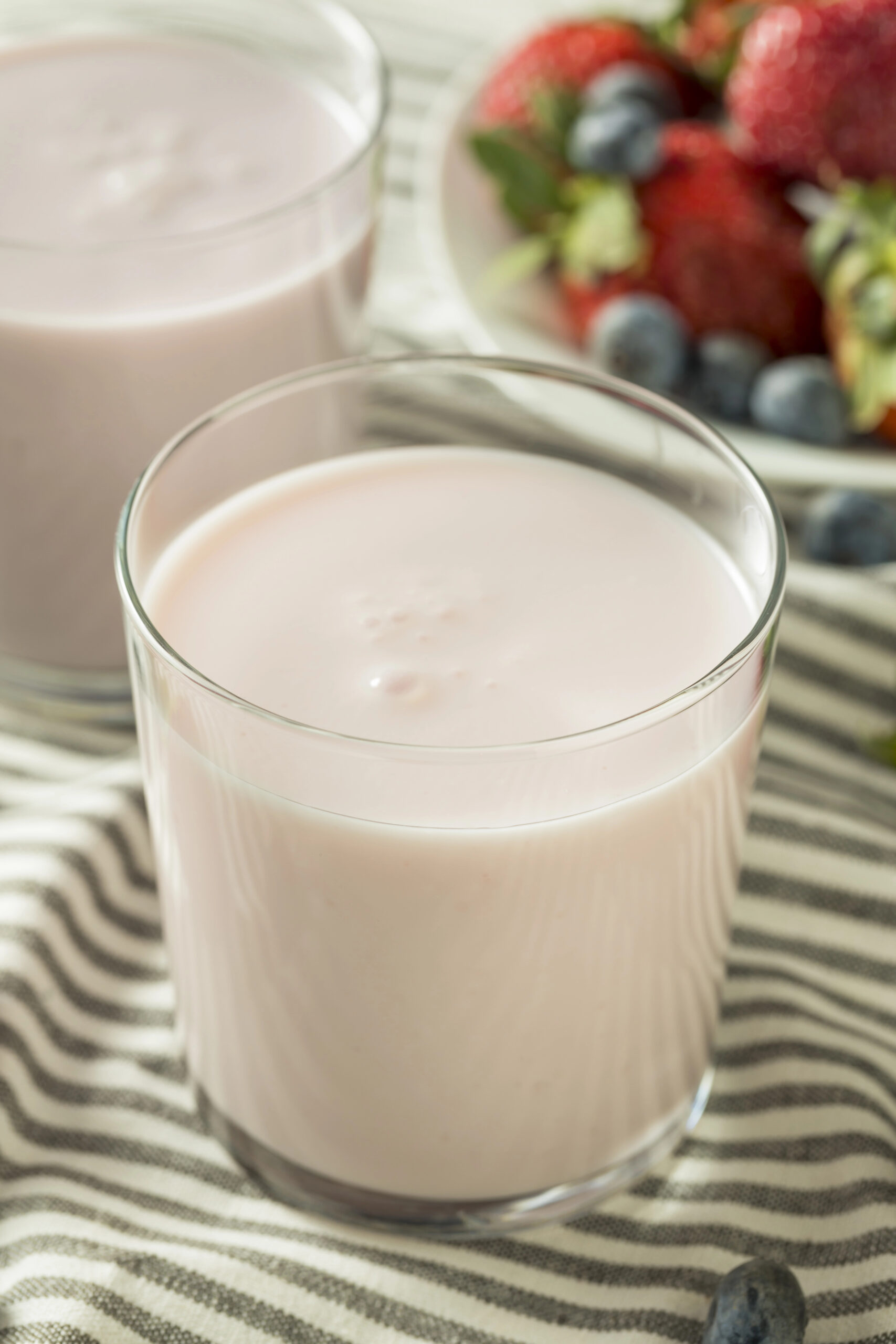
Kefir is basically yogurt’s more overachieving cousin. It’s fermented with a whole colony of bacteria and yeast strains, sometimes 30 or more, which makes it one of the most diverse probiotic sources you can just pour into a glass.
I drink it straight most mornings, tangy and a little fizzy, and my stomach has never once complained about it.
NUTRITIONAL CONTENT (PER 100ml)
| Cal | P | C | F |
| 41kcal | 3.4g | 4.7g | 1g |
| Calories | Protein | Carbs | Fat |
Sauerkraut
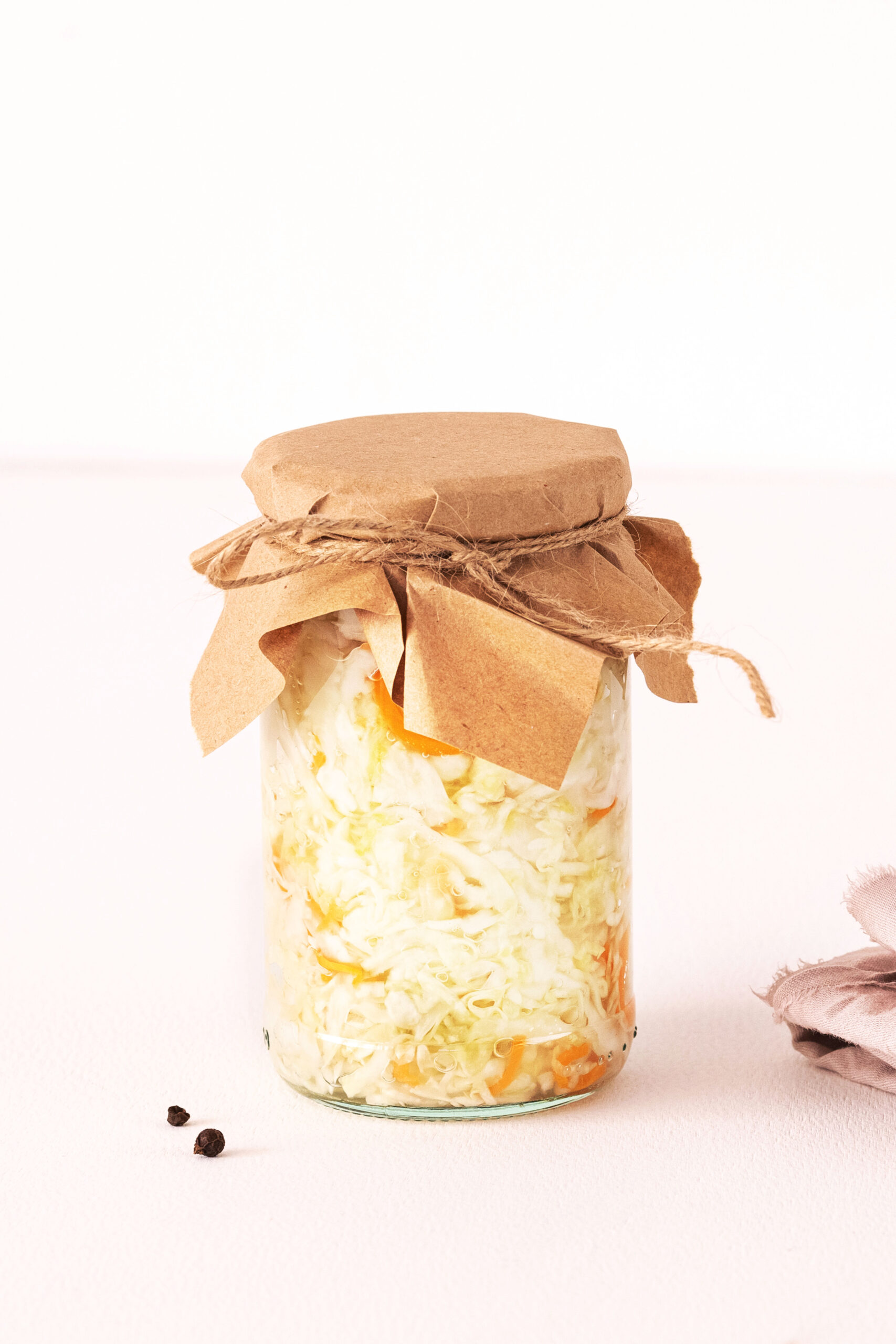
Sauerkraut is just cabbage and salt, left alone long enough for the good bacteria to take over. That fermentation process pumps out a whole collection of live cultures, and it survives your stomach acid better than a lot of fancier probiotic products claim to.
It’s also stupidly cheap for what you get. A forkful on the side of anything gives your gut a boost without needing a single supplement aisle.
NUTRITIONAL CONTENT (PER 100g)
| Cal | P | C | F |
| 19kcal | 1g | 4g | 0.2g |
| Calories | Protein | Carbs | Fat |
Kimchi
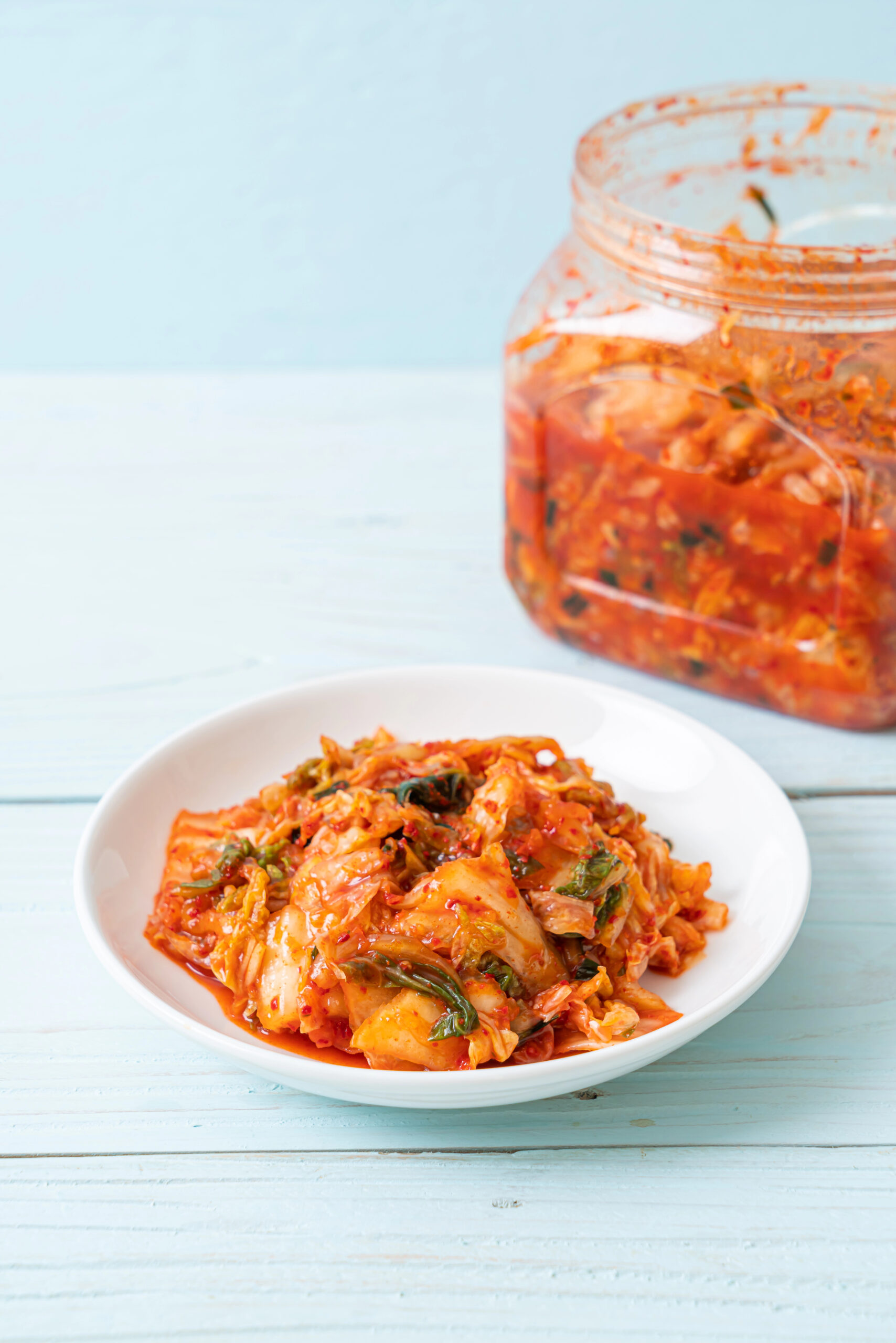
Kimchi ferments longer than most sauerkraut, which means more time for Lactobacillus to multiply and more punch in every bite. The garlic, ginger, and chili don’t just bring heat. They feed the same bacteria doing the fermenting.
I eat it straight from the jar more often than I’d admit in polite company. Cold, crunchy, a little funky. Your gut will appreciate it even if your breath won’t.
NUTRITIONAL CONTENT (PER 100g)
| Cal | P | C | F |
| 15kcal | 1.1g | 2.4g | 0.5g |
| Calories | Protein | Carbs | Fat |
Miso
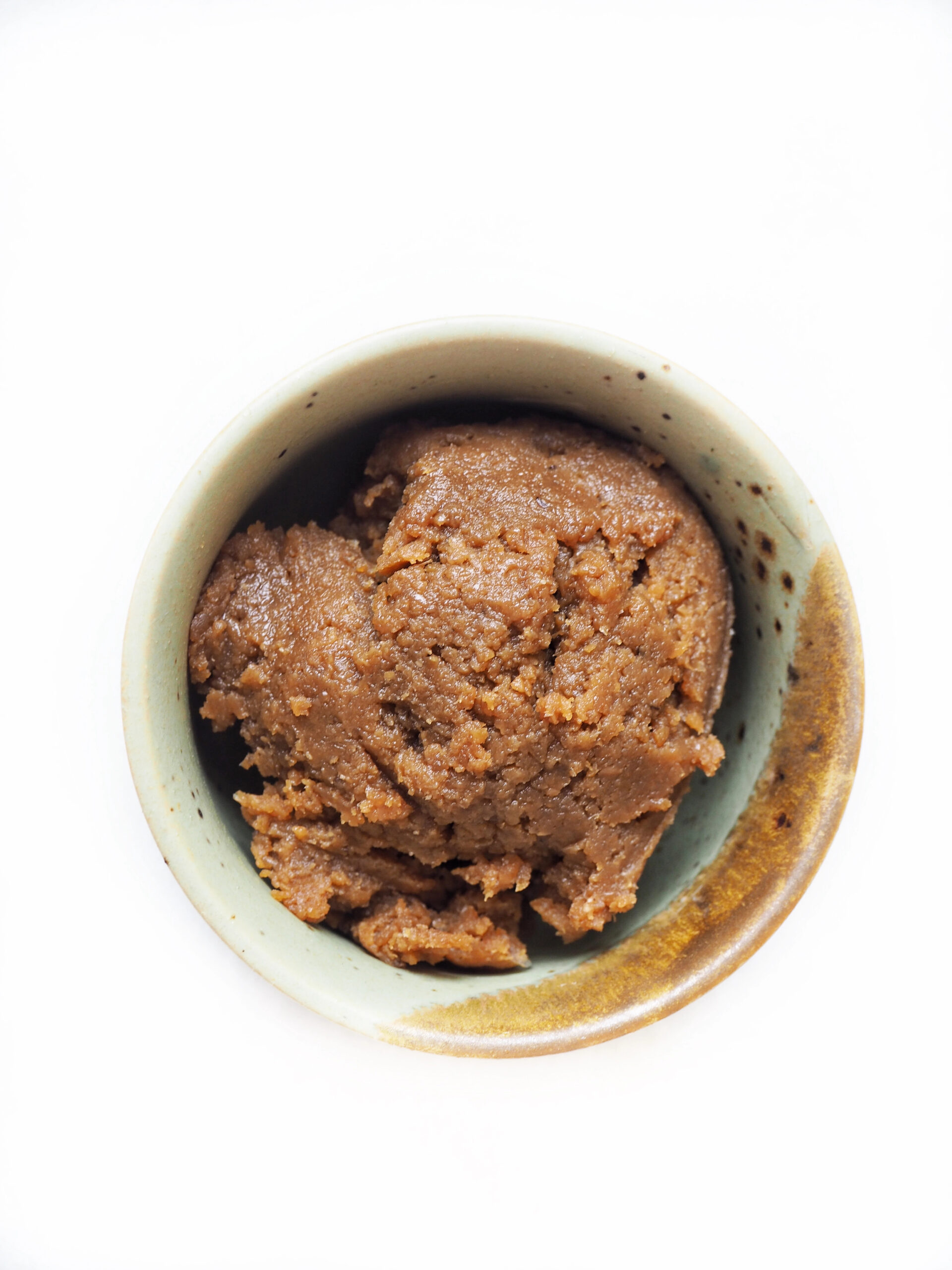
Miso comes from soybeans fermented with koji for months, sometimes years, and that long sit is where the probiotics build up.
A spoonful stirred into warm (not boiling) water keeps those cultures alive and gives you a salty, savory broth in under a minute.
I keep a tub in the fridge and swirl it into soup, glaze, salad dressing, whatever needs a deeper flavor. Cheap, patient, and doing more for your gut than most jars twice its price.
NUTRITIONAL CONTENT (PER 100g)
| Cal | P | C | F |
| 199kcal | 11g | 26g | 6g |
| Calories | Protein | Carbs | Fat |
Tempeh
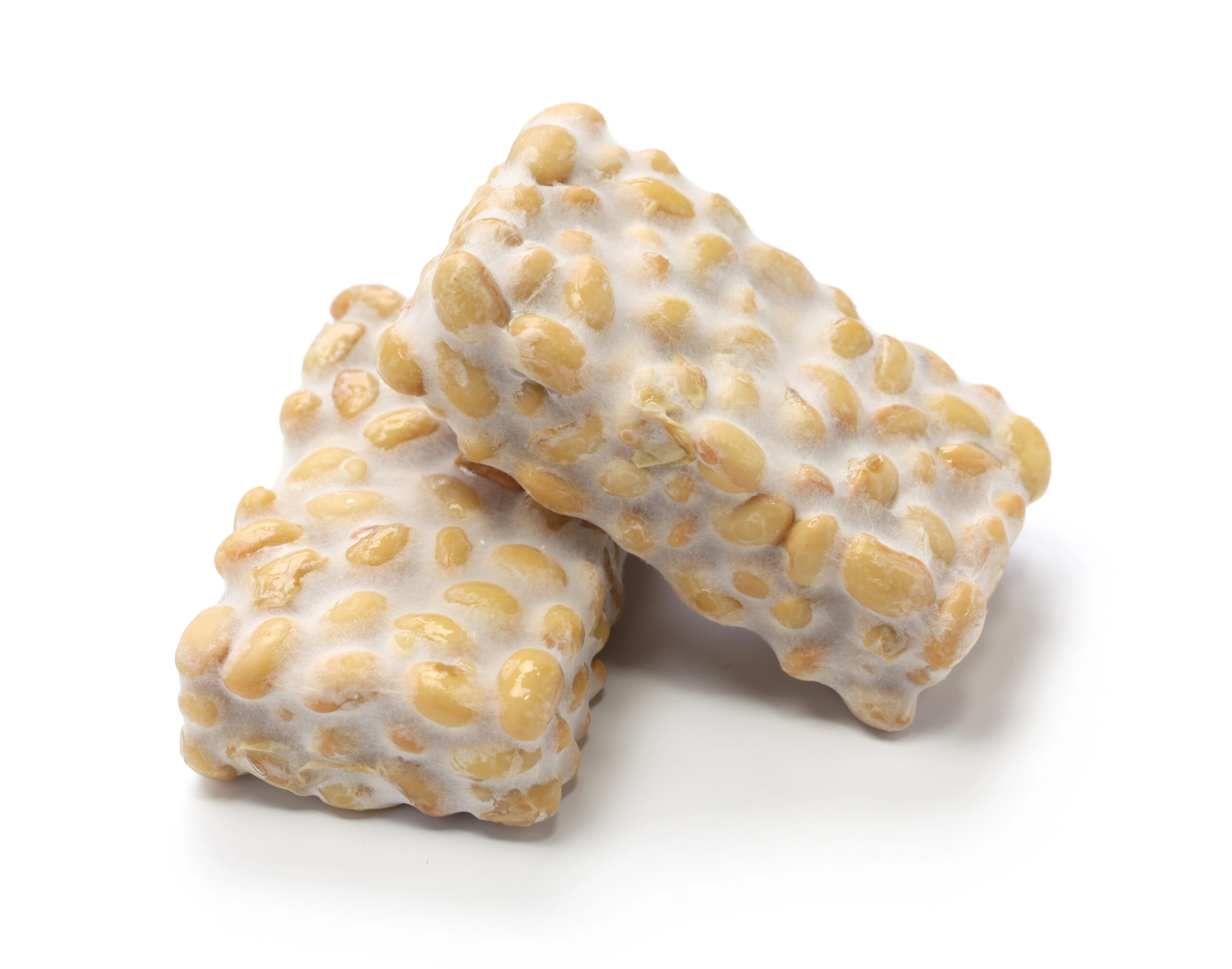
Tempeh comes from whole soybeans packed tight together and fermented with a live mold culture until they bind into a firm cake. That process is where the probiotics show up, plus a nutty flavor that plain tofu can only dream about.
It also brings 19 grams of protein per serving, so it earns its spot on the plate beyond just gut health. Slice it thick, sear it in a hot pan, and it turns into the crispiest thing in your fridge.
NUTRITIONAL CONTENT (PER 100g)
| Cal | P | C | F |
| 195kcal | 19g | 9g | 11g |
| Calories | Protein | Carbs | Fat |
Kombucha

Kombucha is fermented tea, and that fizz comes from a living culture of bacteria and yeast chewing through sugar for weeks on end. What’s left behind is a tangy, slightly vinegary drink loaded with the same bacterial strains you want populating your gut.
I keep a bottle in the fridge like other people keep soda, and it scratches the same itch without the sugar crash after.
NUTRITIONAL CONTENT (PER 100ml)
| Cal | P | C | F |
| 30kcal | 0g | 7g | 0g |
| Calories | Protein | Carbs | Fat |
Cottage Cheese
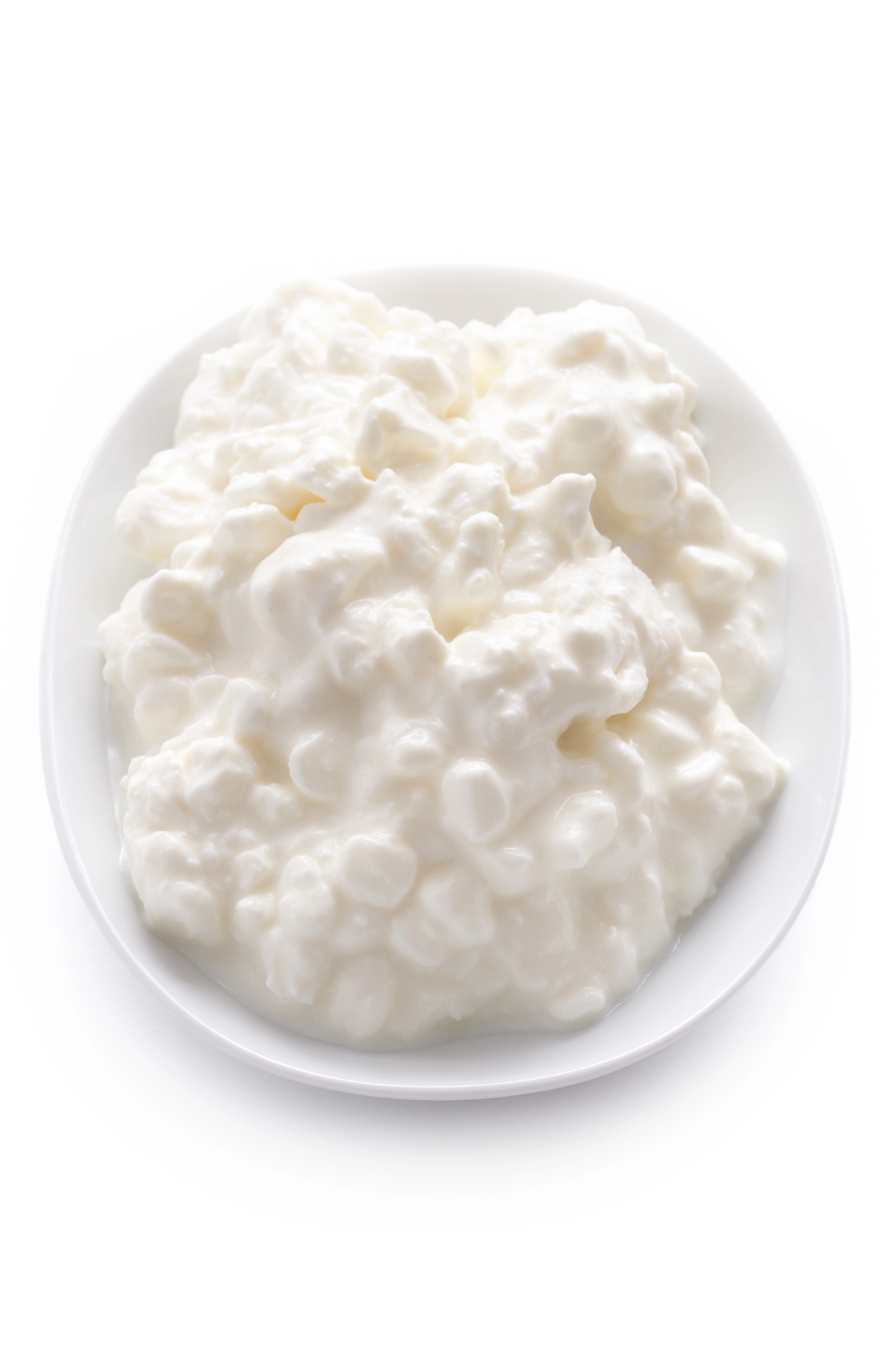
Cottage cheese gets dismissed as diet food, which sells it short. Look for the live and active cultures label, and you’ve got a genuine probiotic source hiding under all that mild, curdy creaminess.
It’s also stacked with casein protein, so it keeps you full while your gut bacteria do their thing. A scoop at breakfast does double duty, and that’s why I’m telling you about it.
NUTRITIONAL CONTENT (PER 100g)
| Cal | P | C | F |
| 98kcal | 11g | 3g | 4g |
| Calories | Protein | Carbs | Fat |
Pickles
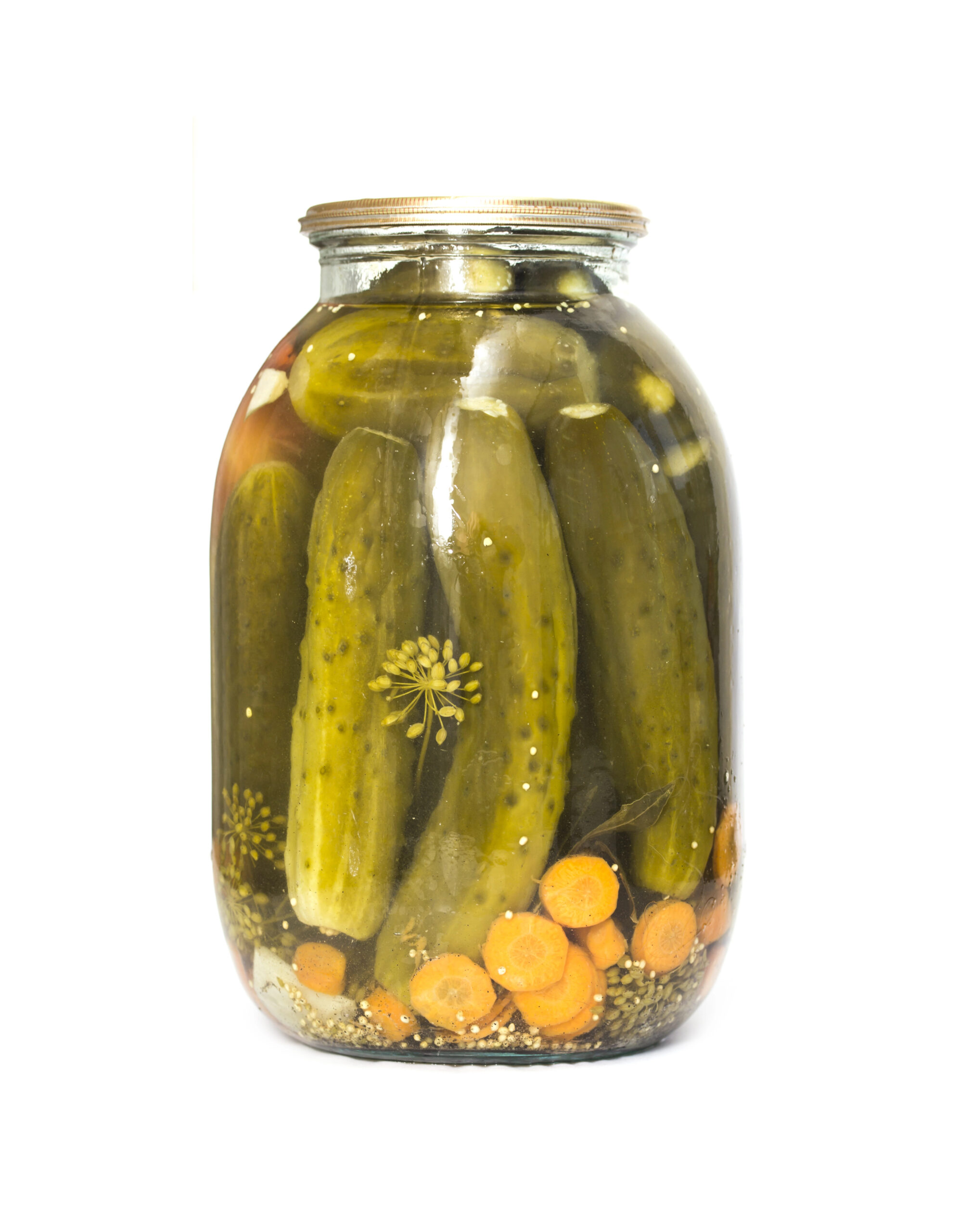
Real pickles, the kind fermented in salt water instead of doused in vinegar, are basically cucumbers that spent weeks growing an army of Lactobacillus.
Grab the ones in the refrigerated section, not the shelf-stable jars, because heat processing kills off everything good.
One spear won’t fix your gut on its own, but it’s a crunchy, nearly free way to keep feeding the bacteria you already have.
NUTRITIONAL CONTENT (PER 100g)
| Cal | P | C | F |
| 11kcal | 0.5g | 2.3g | 0.2g |
| Calories | Protein | Carbs | Fat |
Natto
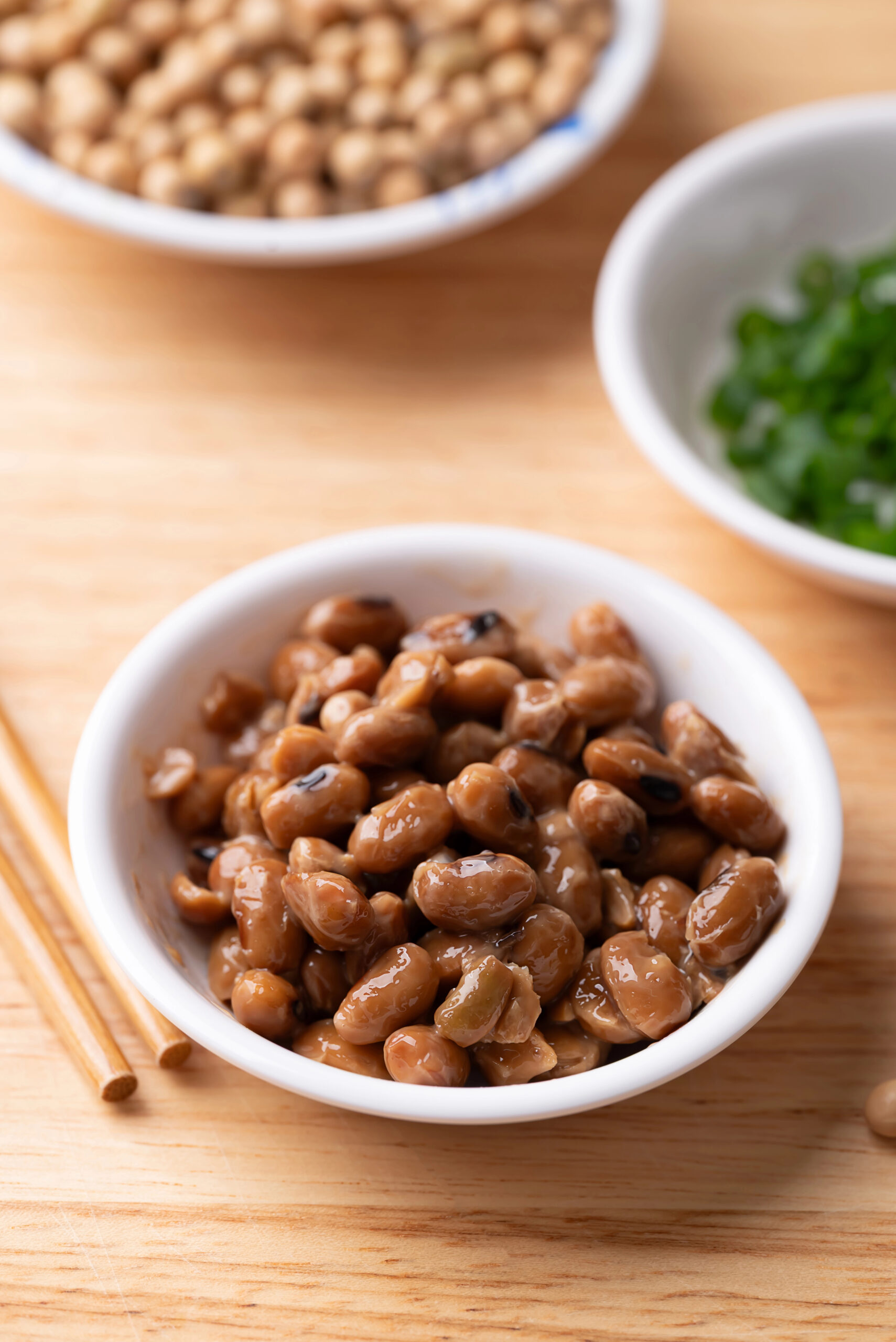
Natto is the one that scares people off before they even open the container. Fair. Those slippery strings of goop look like a science experiment gone rogue.
But the bacteria behind that stringiness, Bacillus subtilis, is a tough one that actually survives your stomach acid to reach your gut. It also churns out vitamin K2, which most Western diets barely touch. Get past the texture, and it might be the hardest-working food on this whole list.
Oh yeah, it’s pretty tasty once the flavor grows on you!
NUTRITIONAL CONTENT (PER 100g)
| Cal | P | C | F |
| 212kcal | 18g | 14g | 11g |
| Calories | Protein | Carbs | Fat |
Buttermilk
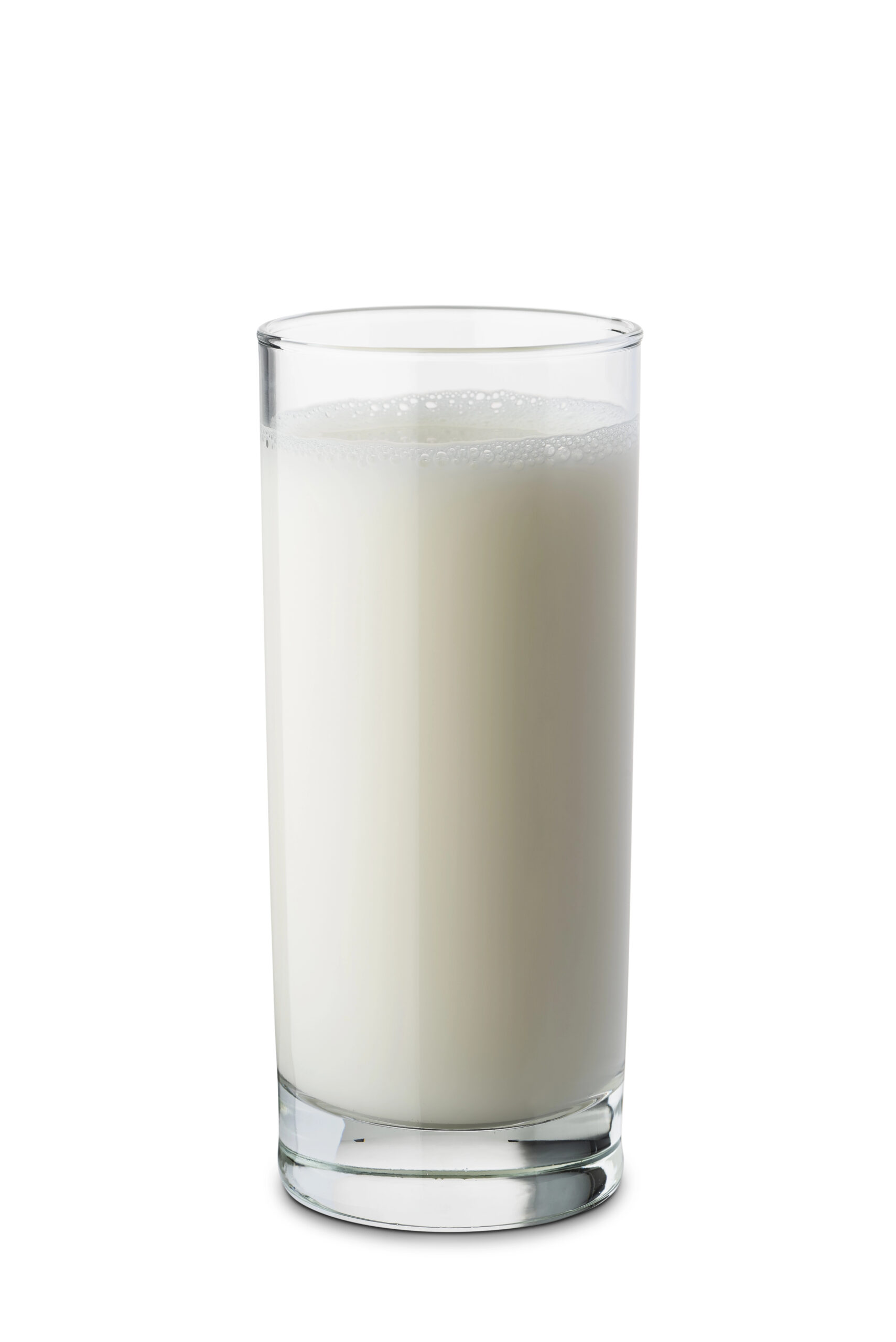
Traditional buttermilk is the tangy leftover liquid from churning butter, and it comes loaded with live cultures like Lactococcus lactis.
It’s thinner than yogurt but punches just as hard for your gut, especially if you grew up watching a grandparent drink it straight from the glass.
Skip the stuff labeled cultured buttermilk at some grocery stores, though. A lot of it gets heat-treated after fermentation, which kills off the good bacteria you’re actually after. Check the label for live active cultures before you buy.
NUTRITIONAL CONTENT (PER 100ml)
| Cal | P | C | F |
| 40kcal | 3.3g | 4.8g | 0.9g |
| Calories | Protein | Carbs | Fat |
Sourdough Bread
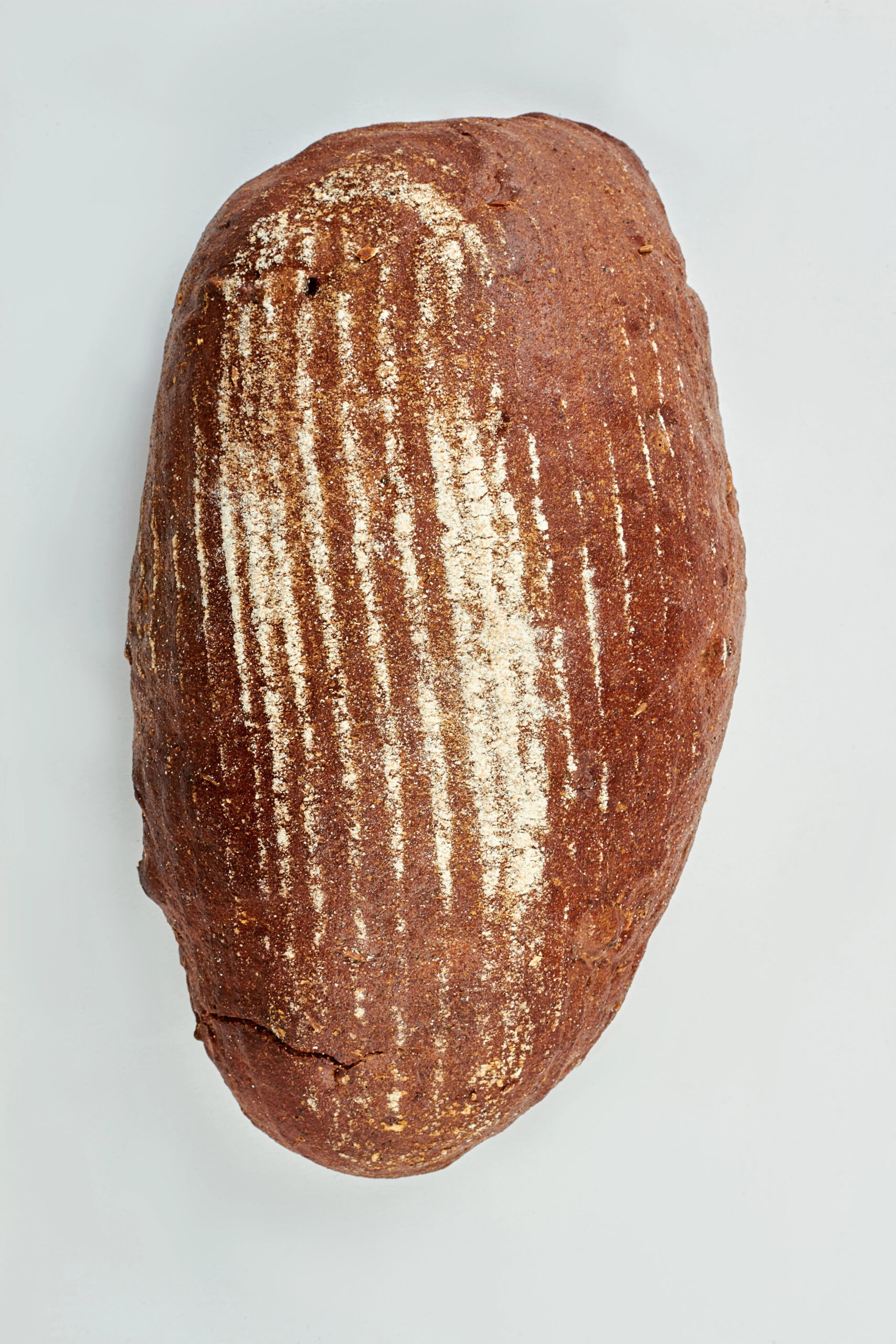
Sourdough starts life as a bubbling jar of wild yeast and lactobacilli, munching through flour for days before it ever sees an oven.
The oven heat kills those live cultures, so don’t count on sourdough for the same probiotic punch as yogurt.
What survives is the good part underneath, the fermentation breaks down gluten and phytic acid, leaving bread that’s gentler on digestion and easier for your gut to actually use.
NUTRITIONAL CONTENT (PER 100g)
| Cal | P | C | F |
| 289kcal | 11.4g | 57.5g | 1.9g |
| Calories | Protein | Carbs | Fat |
Ginger Beer
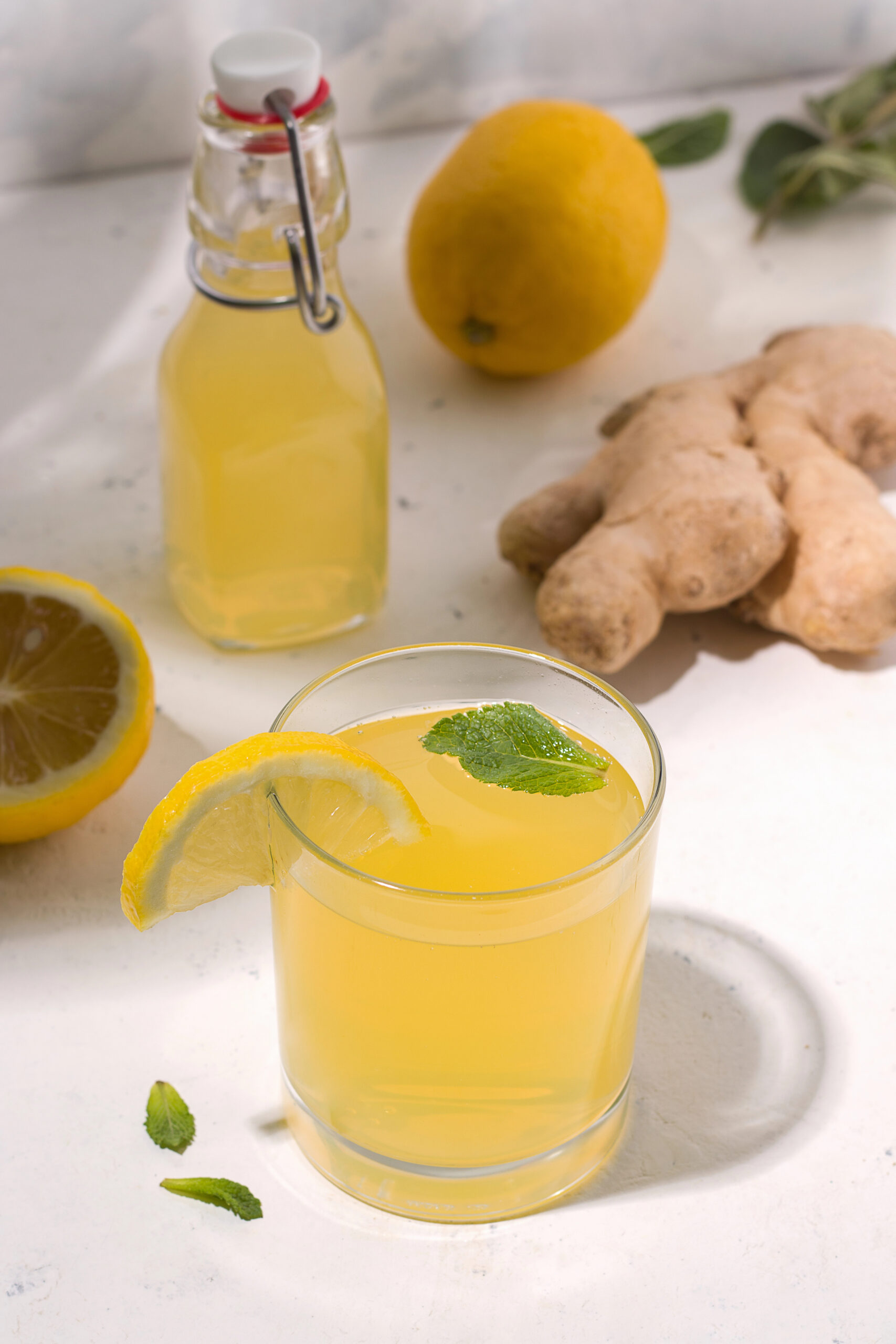
Real ginger bug ginger beer, the cloudy homemade stuff and not the sugary soda on the shelf, is alive with the same wild yeasts and bacteria that make sauerkraut work.
Fermenting fresh ginger with sugar and water for a few days builds a colony that carries over into every glass.
It’s spicy, it’s fizzy on its own without added CO2, and it gives your gut a probiotic hit while your throat gets a ginger kick. Two birds, one weirdly delicious drink.
NUTRITIONAL CONTENT (PER 100ml)
| Cal | P | C | F |
| 31kcal | 0.1g | 7.6g | 0g |
| Calories | Protein | Carbs | Fat |
Cheese
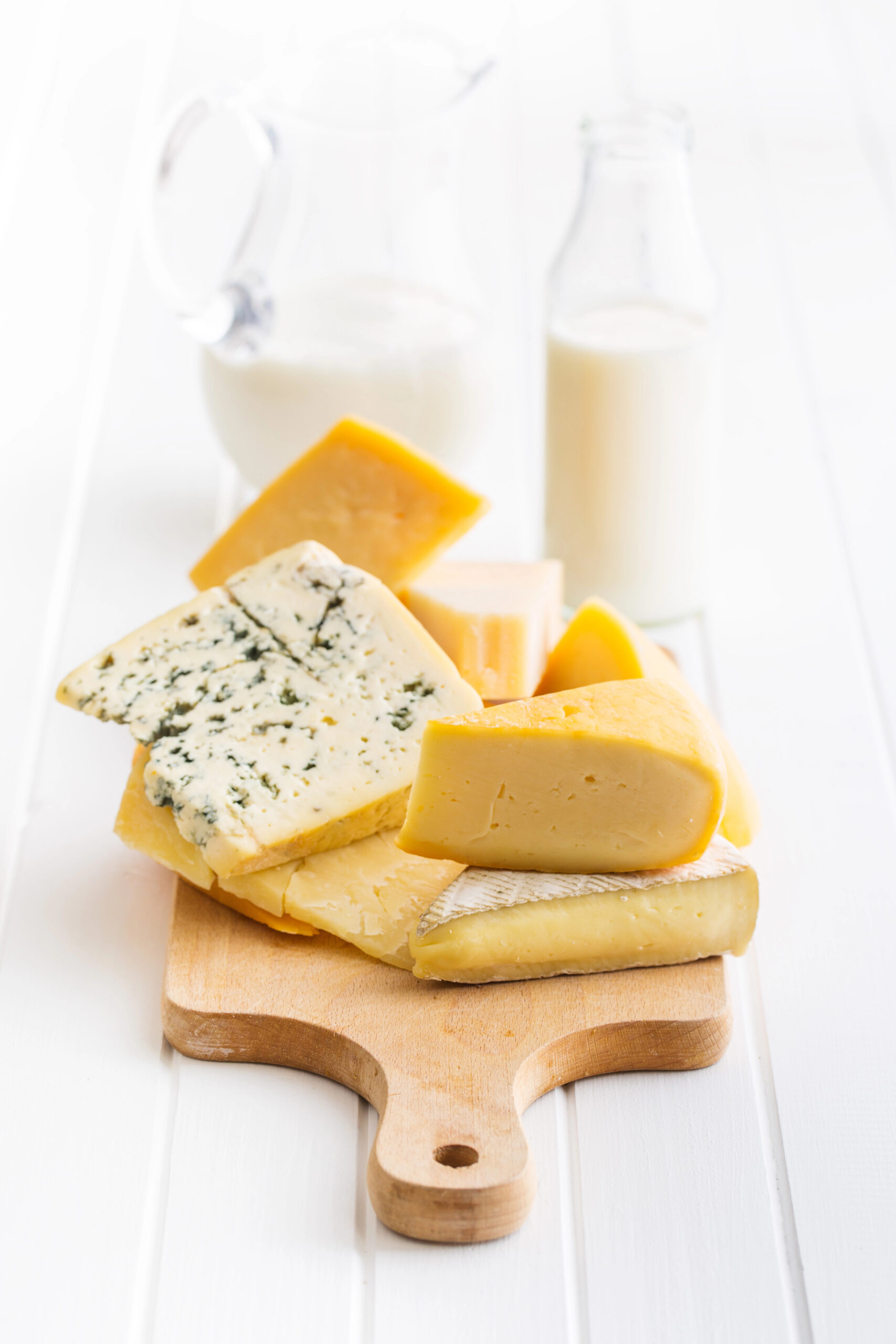
Not all cheese makes the cut here. Aged ones like gouda, cheddar, and provolone go through a slow fermentation that survives into the final product, since they’re never heated hot enough afterward to kill it off.
That’s the loophole that gets cheese onto this list at all. Skip the processed slices. Reach for the block with the real rind, and this extra fermentation is where you’ll find the real flavor developing.
NUTRITIONAL CONTENT (PER 100g)
| Cal | P | C | F |
| 402kcal | 25g | 1.3g | 33g |
| Calories | Protein | Carbs | Fat |
Apple Cider Vinegar
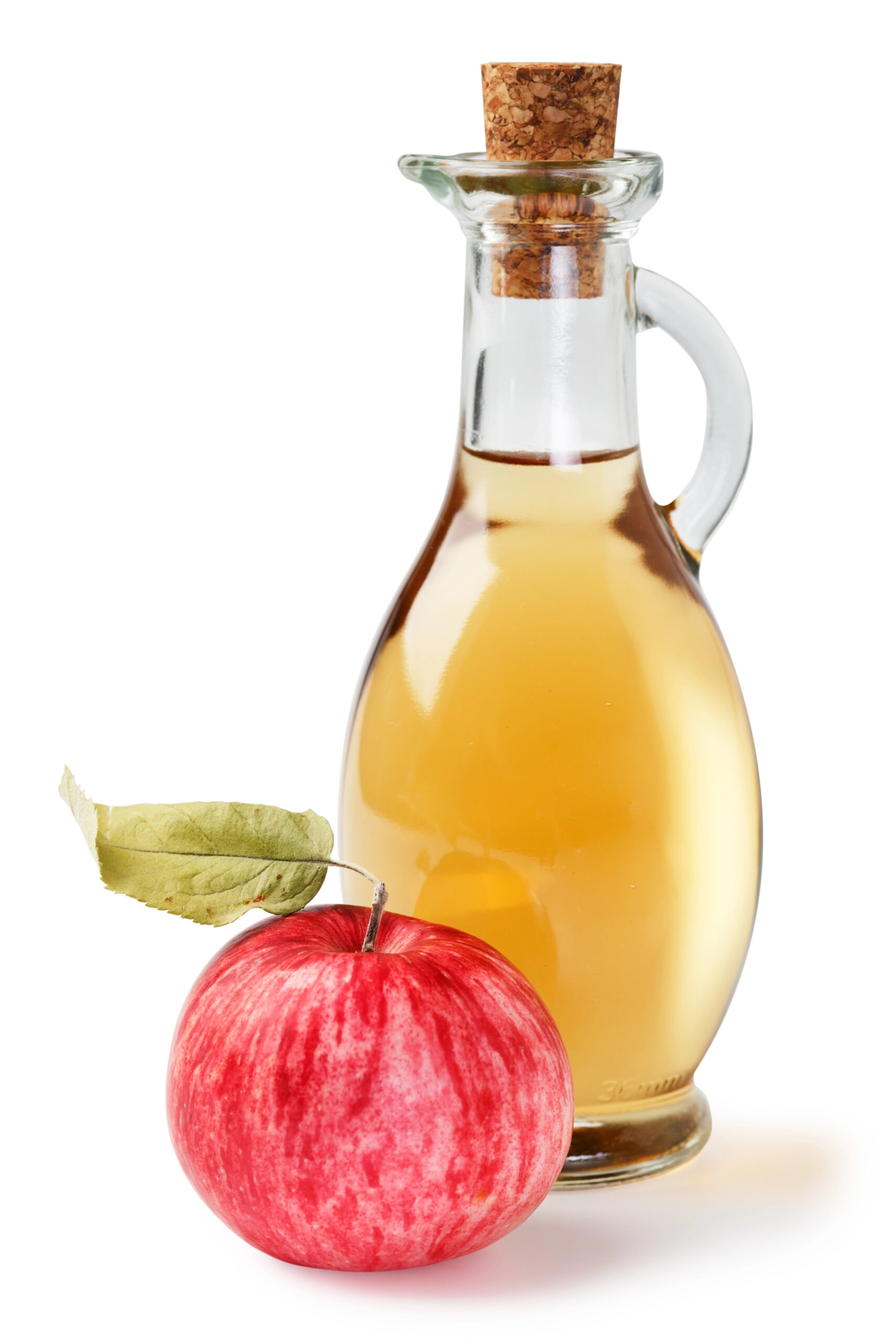
The mother is the whole point. That cloudy strand floating in an unfiltered bottle is a web of live bacteria and enzymes left over from fermentation, and it’s what separates real apple cider vinegar from the clear stuff on the pasta aisle shelf.
A splash in water before a meal can nudge digestion along and take some of the sting out of a heavy plate of food. Just don’t take it straight. Your teeth and your throat will file a complaint.
NUTRITIONAL CONTENT (PER 100ml)
| Cal | P | C | F |
| 22kcal | 0g | 0.9g | 0g |
| Calories | Protein | Carbs | Fat |
Olives
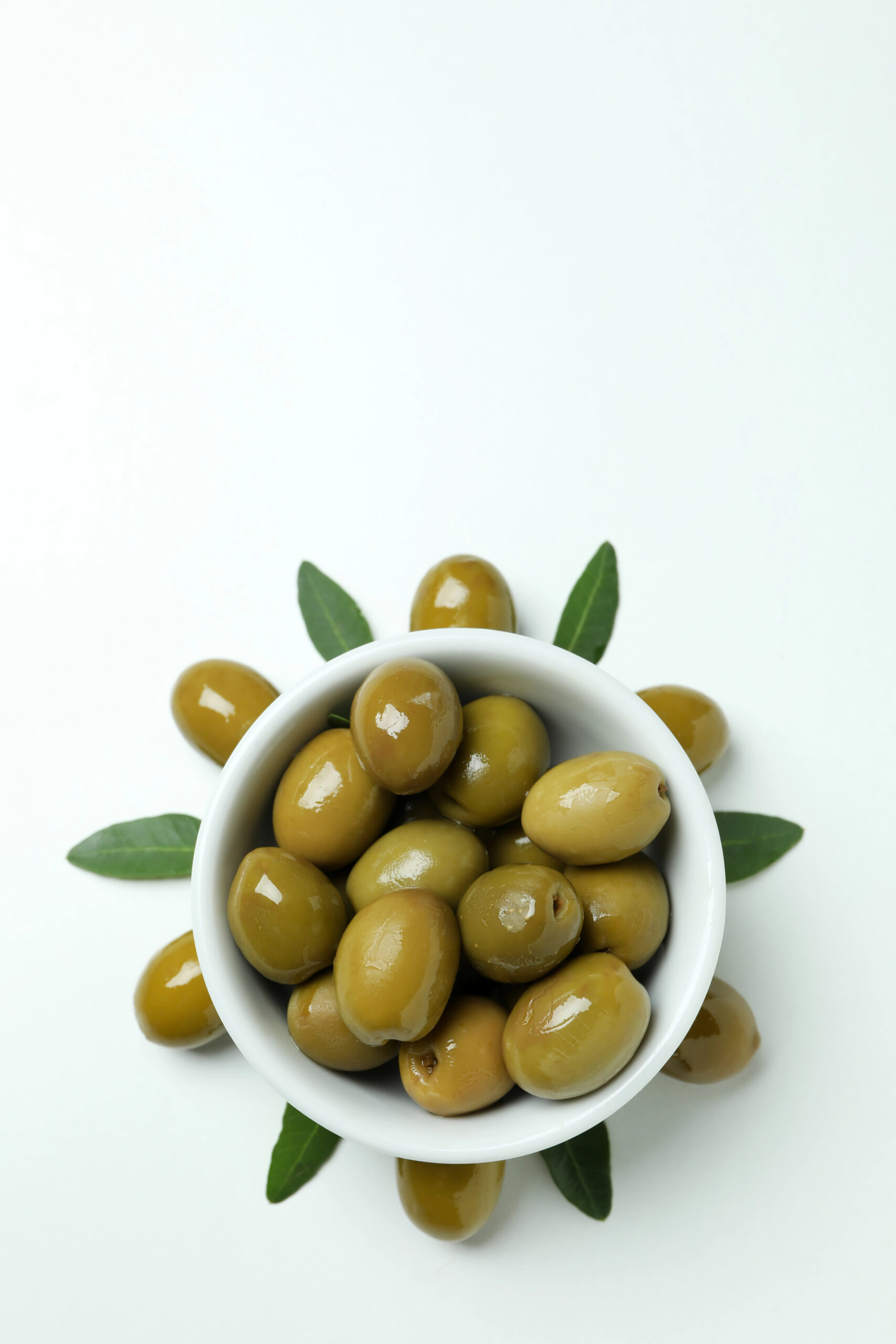
Olives cured the traditional way sit in a salt brine for weeks or months, and that slow soak is where lactic acid bacteria move in and get to work.
Skip the ones packed in vinegar if you want the gut perks, because heat processing and acetic acid wipe out the cultures that brine curing builds up.
A handful on a cheese board is basically a tiny fermented snack that happens to also taste amazing.
NUTRITIONAL CONTENT (PER 100g)
| Cal | P | C | F |
| 115kcal | 0.8g | 6g | 11g |
| Calories | Protein | Carbs | Fat |
Sour Cream
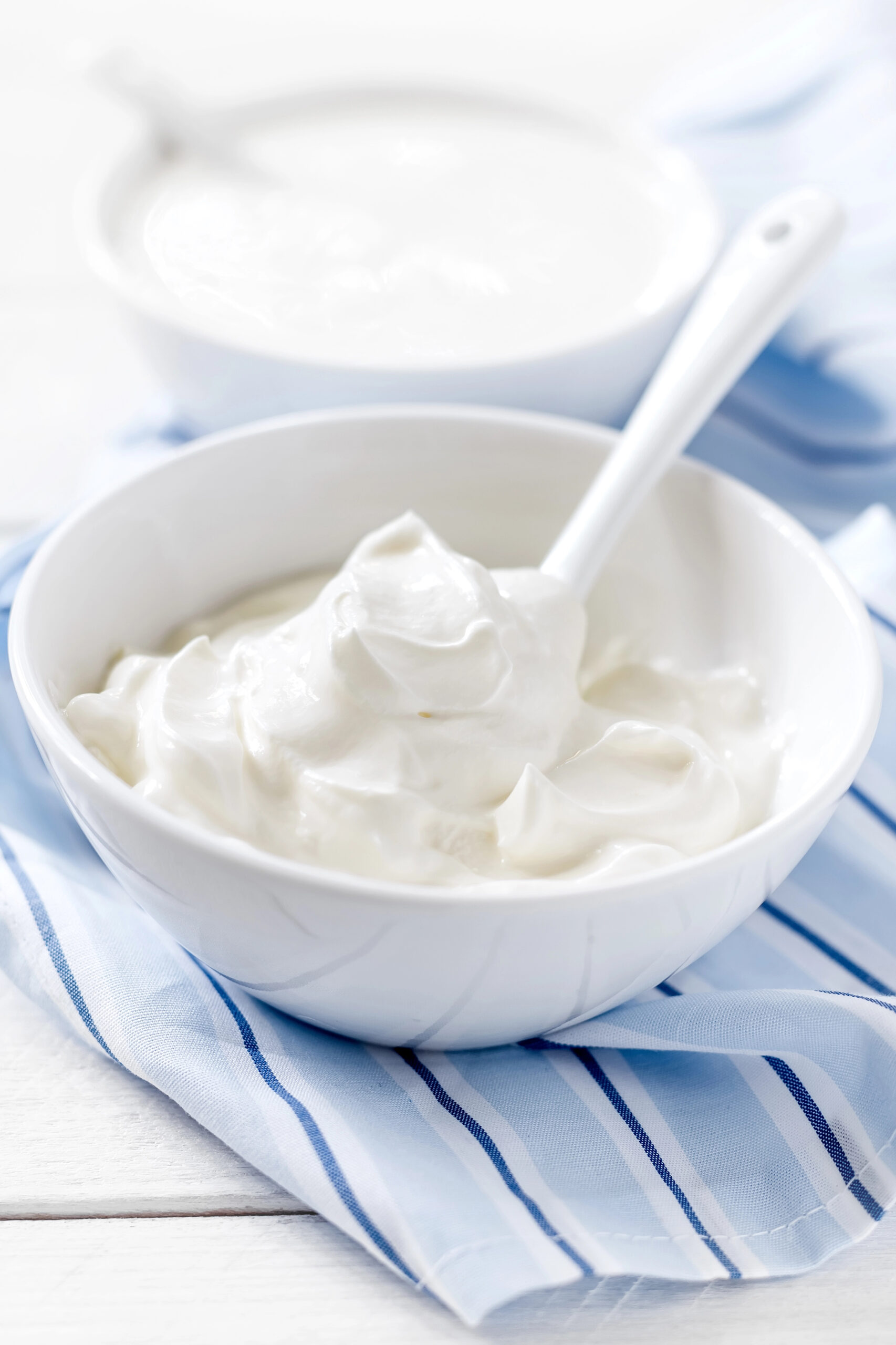
Real sour cream, the traditionally cultured kind, gets its tang from live bacteria working on cream over 12 to 24 hours. Check the label for active cultures because a lot of grocery store tubs are just cream thickened with additives.
A dollop on soup or a baked potato won’t rebuild your gut on its own. But swap it in for the culture-free version you’re already using, and you’re getting probiotics for free.
NUTRITIONAL CONTENT (PER 100g)
| Cal | P | C | F |
| 198kcal | 2.4g | 4.6g | 19.4g |
| Calories | Protein | Carbs | Fat |
Soy Sauce
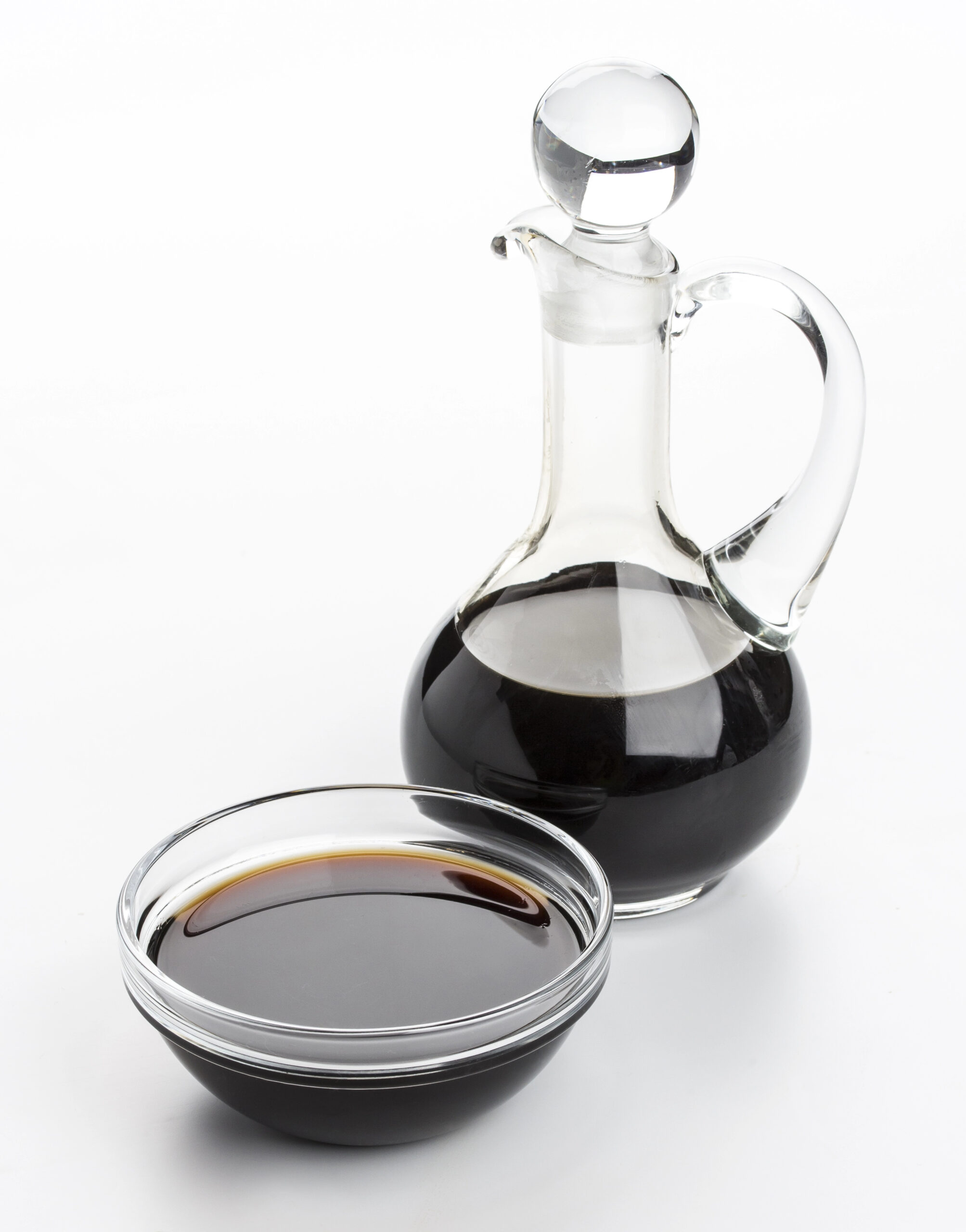
Traditional soy sauce spends months, sometimes years, fermenting with koji mold before it ever hits a bottle.
That slow brew builds real umami depth, the kind the quick chemical versions never manage.
A lot of bottles get pasteurized these days, so don’t always expect a probiotic punch unless you track down the good stuff. What you get instead is a fermented flavor bomb that makes vegetables, rice, and noodles taste like someone actually cared, which counts for something too.
NUTRITIONAL CONTENT (PER 100g)
| Cal | P | C | F |
| 60kcal | 10.5g | 5.6g | 0.1g |
| Calories | Protein | Carbs | Fat |
Raw Honey
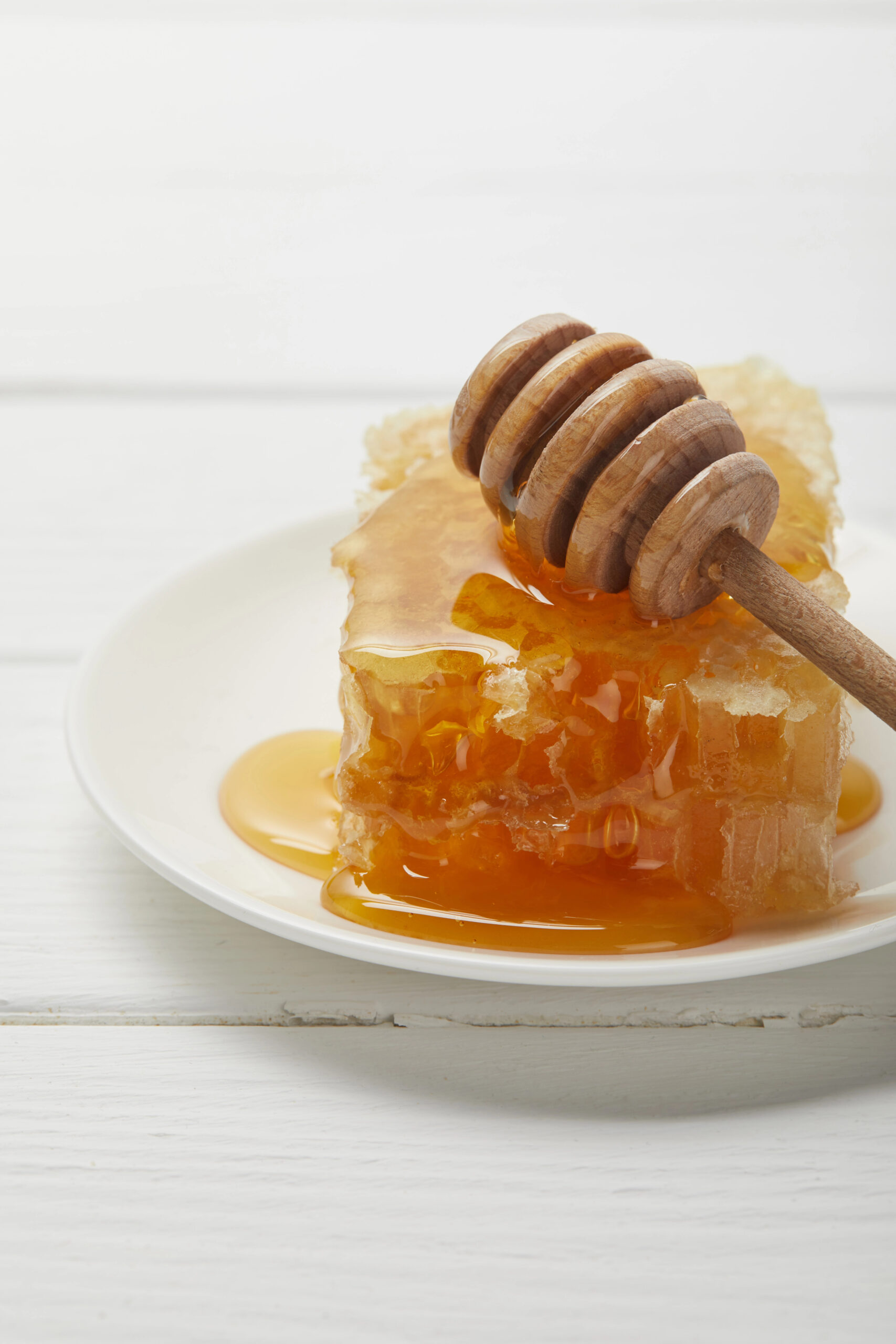
Raw honey is one of the few pantry staples that carries its own live microbes. Straight from the hive, it holds naturally occurring Lactobacillus and Bifidobacterium strains, along with wild yeasts picked up from the bees themselves.
It also feeds the good bacteria already in your gut. Its oligosaccharides act as prebiotics, giving those colonies something to thrive on.
The catch is it has to be raw and unpasteurized. Heat and fine filtering wipe out the living cultures, which is exactly what happens to the clear bear-shaped stuff at the store.
NUTRITIONAL CONTENT (PER 100g)
| Cal | P | C | F |
| 304kcal | 0.3g | 82.4g | 0g |
| Calories | Protein | Carbs | Fat |
Cream Cheese
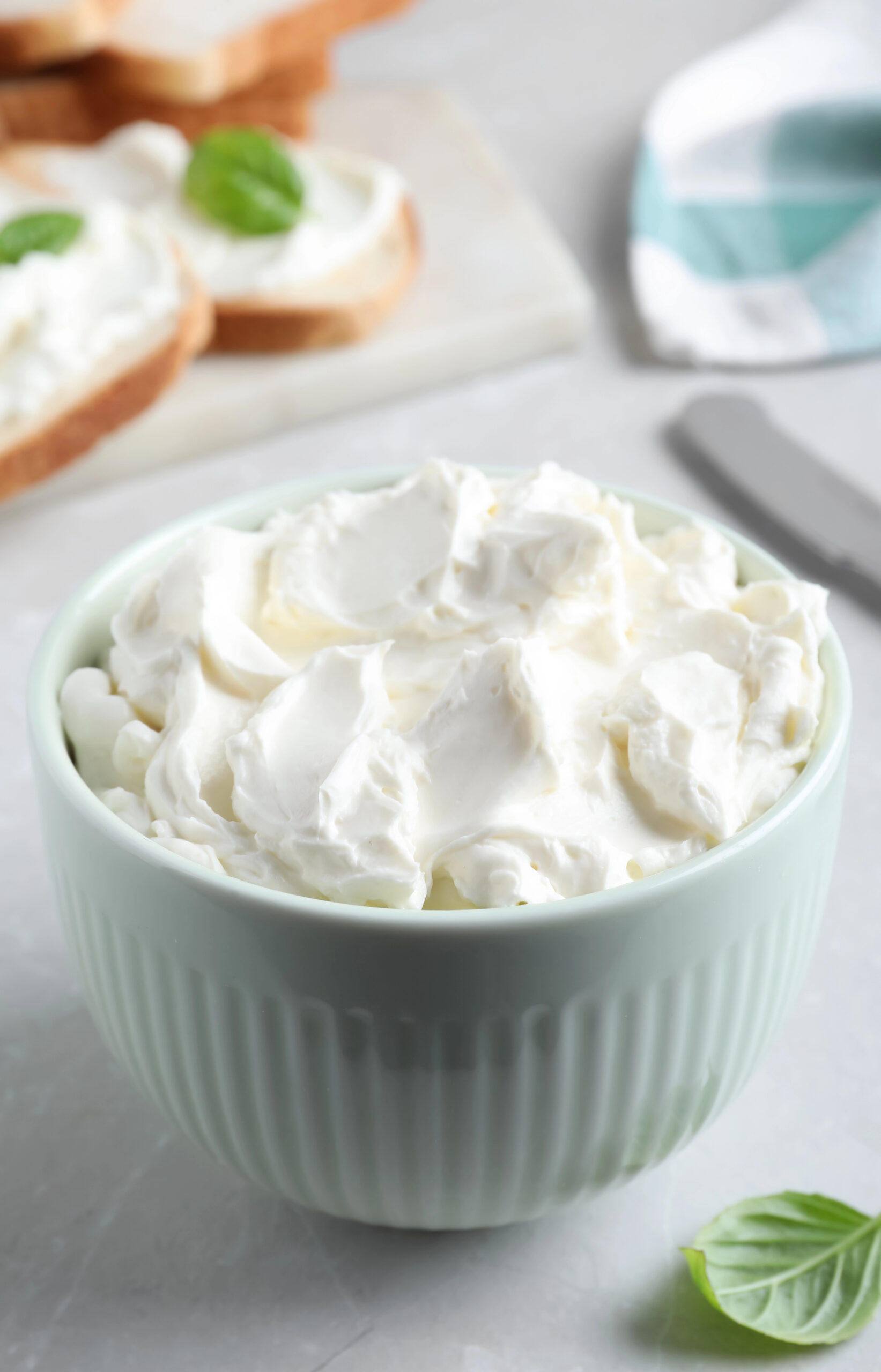
Cream cheese doesn’t just spread on a bagel, it can spread live cultures onto it too.
The versions with the good stuff are made by fermenting milk and cream with lactic acid bacteria before straining, which is where that faint tang comes from.
The catch is that most big brands pasteurize after culturing, so nothing living survives the tub. Look for “live and active cultures” on the label, and your morning schmear starts pulling its weight.
NUTRITIONAL CONTENT (PER 100g)
| Cal | P | C | F |
| 20kcal | 2.2g | 3.9g | 0.1g |
| Calories | Protein | Carbs | Fat |